Deadwood, South Dakota: A Wild West Legend Born from Gold
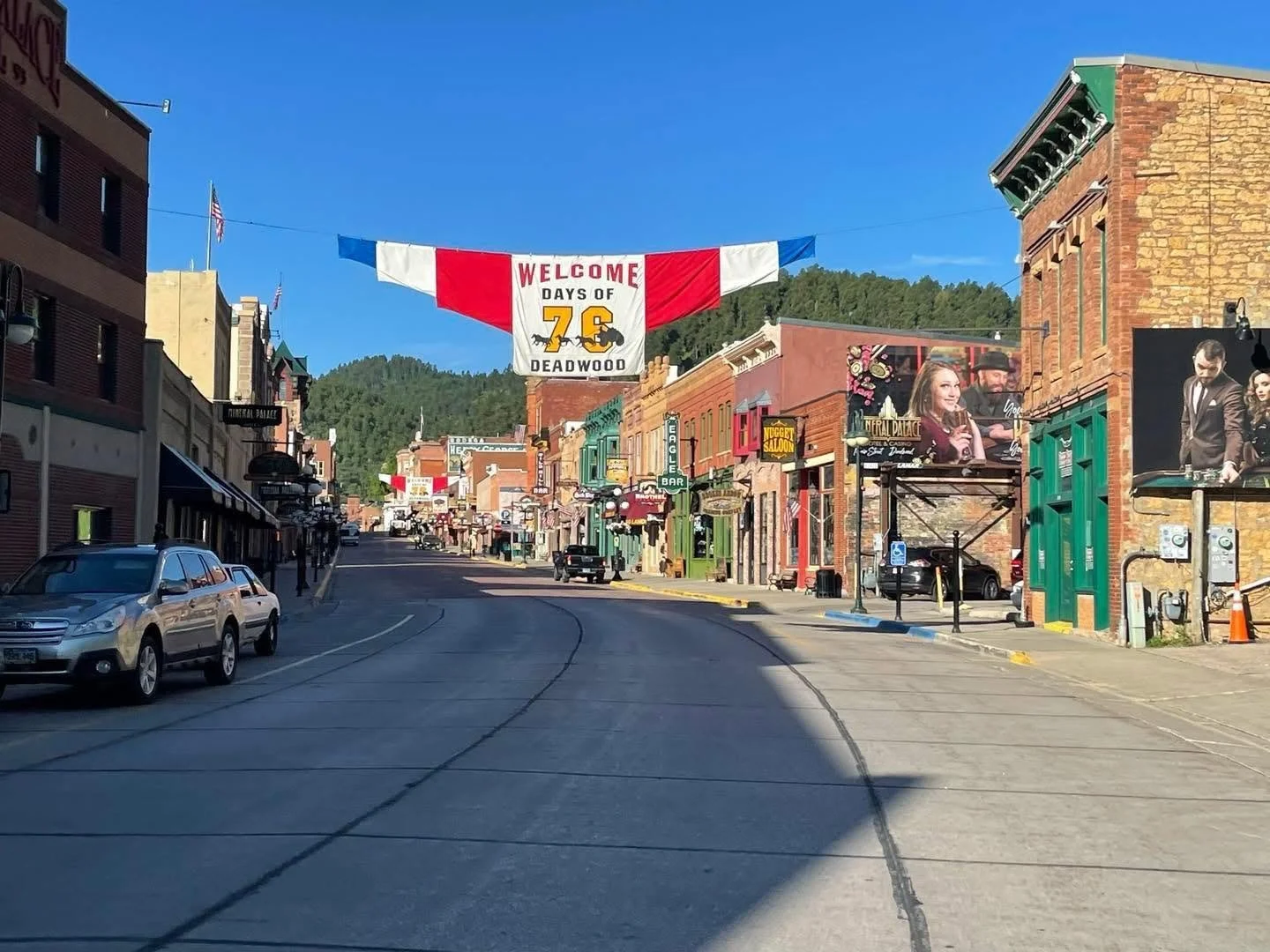
Welcome to Historic Main Street in Deadwood, South Dakota. Decorated for the annual Days of '76 celebration!
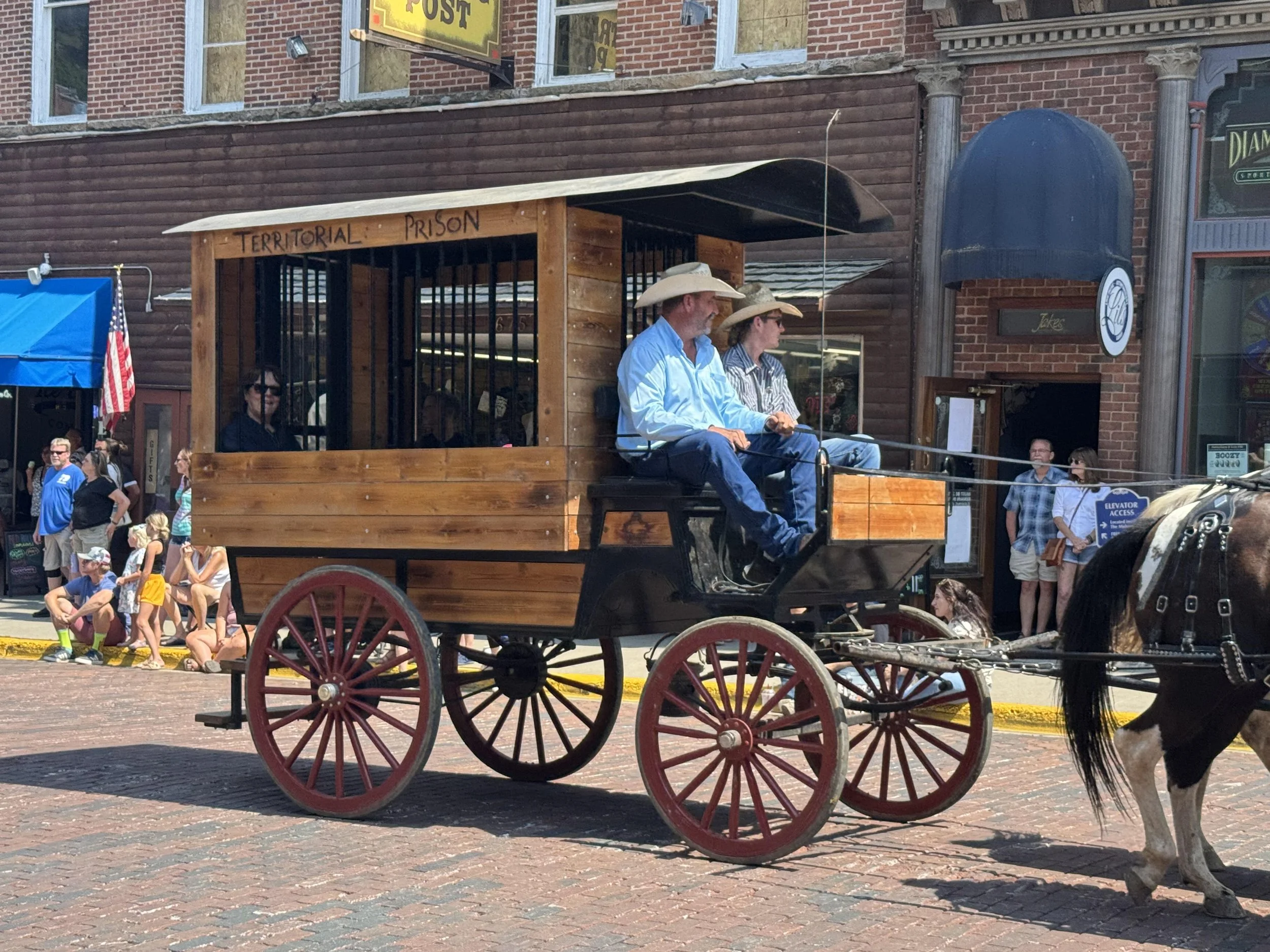
A horse-drawn territorial prison wagon travels down historic Main Street during the annual Days of '76 Parade.
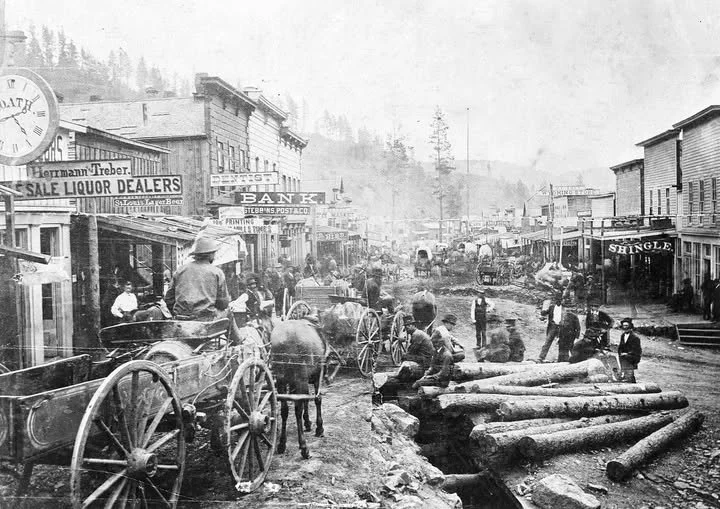
Main Street, circa 1876. This popular early shot of Deadwood truly showcases the hustle and grind of pioneer settlers as they built a myriad of businesses.
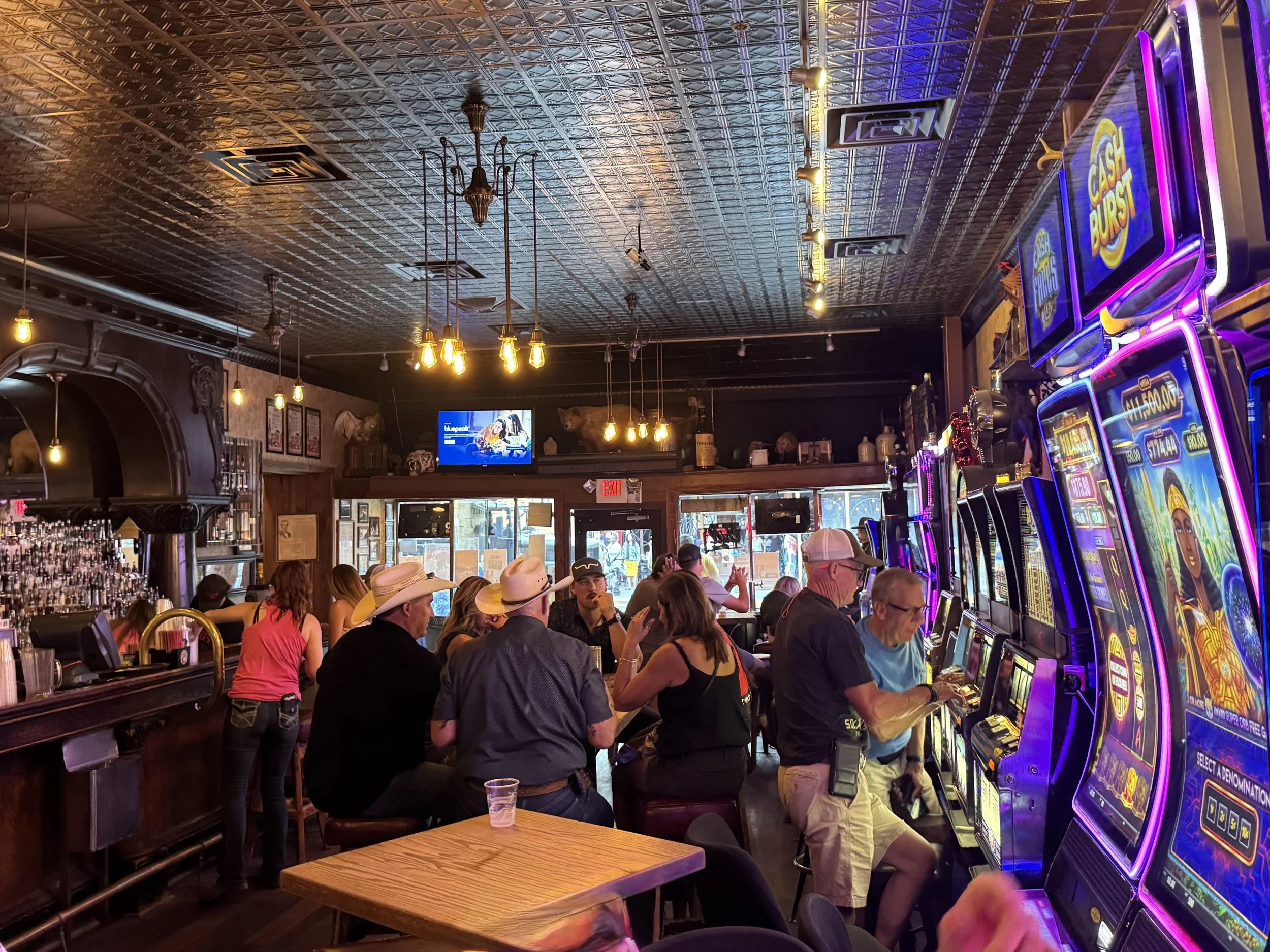
Visitors enjoy the Old West atmosphere, drinks, and casino gaming inside the legendary Saloon No. 10.
Population: 1,156
County: Lawrence County (County Seat)
Nestled deep in the northern Black Hills, Deadwood, South Dakota, is one of America's most famous frontier towns—and where I held my bachelor party in 2025 at the ripe young age of 25! Now a favorite for both friends and families looking to get away to a more secluded part of the country but maintain the Nashville/Las Vegas feel, Deadwood’s colorful history is filled with gold seekers, legendary outlaws, devastating fires, influential lawmen, and larger-than-life personalities who helped shape the American West. Today, the entire downtown is recognized as a National Historic Landmark District, where visitors can walk the same streets once traveled by Wild Bill Hickok, Calamity Jane, Seth Bullock, and thousands of fortune seekers chasing dreams of striking gold. History runs rampant throughout the community, but read on to learn more about its famous Days of ‘76 Celebration, local ghost tours, popular eateries and casinos, and more!
The Black Hills Gold Rush
Deadwood's story begins with the signing of the Treaty of Fort Laramie in 1868. The treaty established the Great Sioux Reservation and guaranteed the Lakota, Dakota, and Arapaho peoples the right to occupy and hunt throughout the sacred Black Hills and surrounding lands. White settlement within the region was expressly prohibited. That agreement unraveled in 1874 when General George Armstrong Custer led the Black Hills Expedition and confirmed the presence of gold near present-day Custer, South Dakota. News spread rapidly across the nation, sparking the Black Hills Gold Rush and sending thousands of prospectors into territory that was still legally reserved for Indigenous peoples.
In the fall of 1875, an even richer deposit of gold was discovered in Deadwood Gulch, named for the abundance of dead timber scattered throughout the valley. Prospectors flooded into the canyon almost overnight.
One of the Largest Towns in the Dakota Territory
Deadwood exploded in size with astonishing speed. Some estimates suggest that nearly 25,000 people crowded into the settlement during 1876, making it one of the largest communities in the Dakota Territory. Cabins and rough shanties lined the creek while saloons, dance halls, gambling halls, brothels, hotels, and businesses appeared almost overnight. On April 26, 1876, Craven Lee, Isaac Brown, J. J. Williams, and several others formally laid out the town in hopes of bringing at least a little order to the booming mining camp.
Keeping track of Deadwood's earliest businesses was nearly impossible because of the community's explosive growth, but some of the first documented establishments included Furman & Brown's grocery store, Julius Deetkin's pharmacy, Baer & McKinniss's wholesale liquor store, M. M. Gillette's jewelry store, the law offices of Joseph Miller and William George, the medical practice of Drs. A. W. McKinney and W. A. Laughlin, and the Black Hills Pioneer, whose first edition was published on June 8, 1876. Approximately 250 Chinese immigrants also settled in Deadwood, establishing a thriving Chinatown and providing valuable services to the mining community.
Wild Bill Hickok, Calamity Jane, and the Legends of Deadwood
Following America's Bicentennial celebrations in 1876, Charlie and Steve Utter organized a wagon train from George, Colorado, that brought several legendary frontier figures to Deadwood.
Among them were Wild Bill Hickok, Calamity Jane, Madam Mustache, Dirty Em, and many others whose names would become forever linked with the Wild West.
Wild Bill Hickok's time in Deadwood was tragically brief. Less than a month after arriving, he was shot and killed by Jack McCall while playing cards at Nuttal & Mann's Saloon No. 10. The hand he was reportedly holding—two black aces and two black eights—later became immortalized as the famous "Dead Man's Hand."
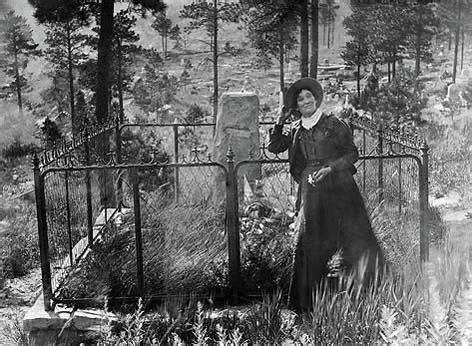
Calamity Jane visits the grave of Wild Bill Hickok at Mount Moriah Cemetery, circa 1890s. Some legends insist that the two married in Montana Territory in 1873 and had one child together, Jean Hickok Burkhardt McCormick.

Wild Bill Hickok's famed "death chair" is displayed inside Saloon No. 10. No, you can’t sit in it, but they do have reenactments of the “shootout.”

Markers honor Wild Bill Hickok and Calamity Jane near their neighboring graves at Mount Moriah Cemetery.
From Lawless Camp to Thriving Community
Although Deadwood earned a reputation for gambling, violence, prostitution, and lawlessness, the community steadily matured.
A smallpox epidemic, an opium epidemic, and countless murders tested the young town, yet civic institutions gradually took root. In 1877, the Northwestern Express, Stage, and Transportation Company established stage service connecting Deadwood with Bismarck and major railroad lines.
Deadwood welcomed its first mayor, E. B. Farnum, while the legendary Seth Bullock became one of the community's best-known lawmen. Telegraph service arrived, followed by electricity in 1883 through the Pilcher Electric Light Company. Remarkably, Deadwood became one of the earliest communities in the United States to receive electric lighting, only four years after Thomas Edison successfully commercialized the technology.
Fire, Flood, and Rebuilding
Disaster struck on September 26, 1879, when a massive fire destroyed more than 300 buildings and left over 2,000 residents homeless. Rather than abandon the town, citizens rebuilt much of downtown in brick and stone within six months, creating many of the historic buildings visitors admire today.
Even so, Deadwood's population had fallen dramatically. The 1880 census recorded only 3,777 residents—a fraction of the boomtown population just a few years earlier. The hardships continued in 1883 when catastrophic flooding caused an estimated $250,000 in damage, equivalent to nearly $7.8 million today. Despite these setbacks, schools, churches, manufacturing businesses, and new industries continued to develop. The Deadwood Flouring Mill Company shipped more than 1.2 million pounds of flour during 1883, while the Deadwood Central Railroad connected Deadwood with nearby Lead and the immensely productive Homestake Mine beginning in 1888.
Entering the Modern Era
South Dakota achieved statehood on November 2, 1889, and Deadwood gradually transitioned from a rough mining camp into a modern city. Gambling, prostitution, and alcohol sales were outlawed, and after another devastating downtown fire, Seth Bullock opened the elegant 64-room Bullock Hotel in 1896. The years that followed brought brick-paved streets, a Carnegie Free Library, and the construction of the Lawrence County Courthouse, solidifying Deadwood's role as the permanent county seat.
HISTORIC Things to Do in Deadwood Today
Today, Deadwood embraces its colorful past while offering visitors a wide variety of attractions.
History enthusiasts can explore:
Adams Museum & House
Historic Adams House
Days of '76 Museum
Celebrity Hotel Memorabilia Display
Visitors can also tour the Broken Boot Gold Mine, pay their respects at Mount Moriah Cemetery where Wild Bill Hickok and Calamity Jane are buried, hike or bike the scenic George S. Mickelson Trail, visit the Teddy Roosevelt Friendship Tower, see the World's Largest Log Chair, or stop at the impressive bronze sculpture Tatanka: Story of the Bison.
I first visited Deadwood in July 2022 as a part of my project to visit and document all 310 of South Dakota’s incorporated communities. I later returned nearly three years after my first visit, this time for my bachelor party, when my groomsmen and I spent several nights exploring the town and looking beyond its history. Below are some of the highlights of our visit.
Experience the Days of '76 Celebration
Every July, Deadwood comes alive during the internationally recognized Days of '76 Celebration, one of South Dakota's premier summer events. We didn’t come to town specifically for the festival, but it was pretty neat to see covered wagons, cattle, cowboys, and local Deadwood residents parading the streets to show off their hometown pride and heritage! Dating back to 1924, the celebration honors the pioneers and wagon trains that arrived during the Gold Rush with award-winning PRCA rodeos, colorful parades, concerts, community festivities, and living history demonstrations. The rodeo has been named PRCA Large Outdoor Rodeo of the Year numerous times and draws thousands of visitors to the Black Hills each summer. Even outside of rodeo week, the nearby Days of '76 Museum preserves the event's legacy through one of the nation's finest collections of historic horse-drawn vehicles, western artifacts, and pioneer exhibits.
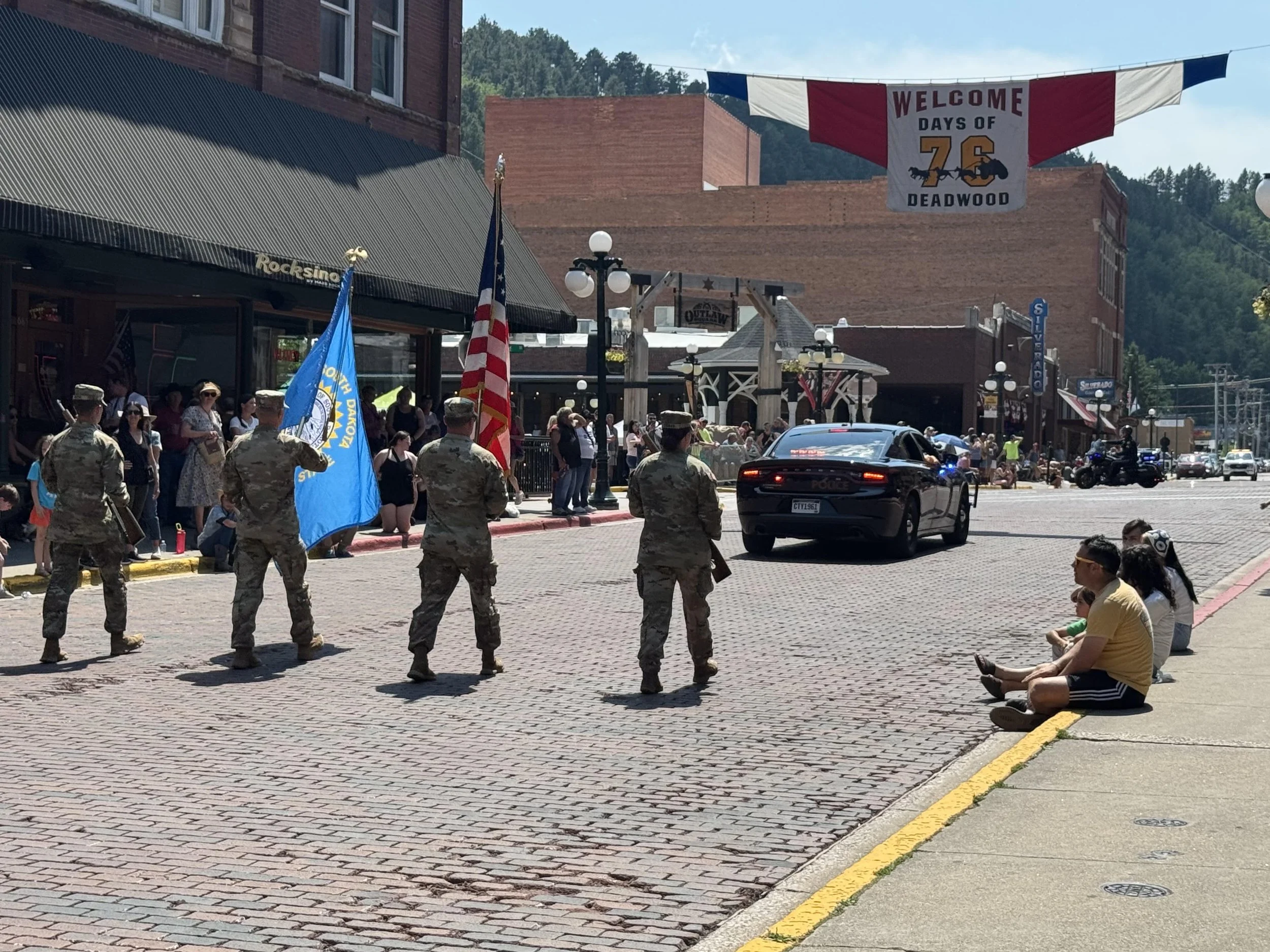
Members of the military carry the American and South Dakota flags along historic Main Street during the annual Days of '76 Parade. We watched the parade for about 30 minutes alongside hundreds of other tourists before continuing on with our exploration of Deadwood.
ENJOY A MEAL AT LEGENDS STEAKHOUSE
If you're looking for an upscale dining experience, make reservations at Legends Steakhouse inside the historic Franklin Hotel. I first glimpsed this steakhouse in 2022, and have had it on my bucket list ever since. Named after the legendary figures who helped make Deadwood famous, the restaurant specializes in hand-cut steaks, fresh seafood, and hearty American cuisine in an elegant setting. I personally had to try a pair of succulent lamb chops—as I’d only ever had them once before—and my only regret is that the serving wasn’t larger. They were cooked to absolute perfection alongside some of the fluffiest, most buttery mashed potatoes. The Franklin Hotel itself has welcomed notable guests ranging from Theodore Roosevelt and William Howard Taft to Babe Ruth, John Wayne, and Kevin Costner, making dinner here feel like a step back into Deadwood's storied past.
Visit Historic Saloon No. 10
No trip to Deadwood is complete without stopping at Saloon No. 10, the legendary saloon most closely associated with Wild Bill Hickok. Although the original building was destroyed in the fire of 1879, today's recreation stands near the historic site where Hickok was famously shot while holding what later became known as the "Dead Man's Hand." Visitors can watch daily reenactments of the shooting, browse historic artifacts, enjoy live music, sample one of South Dakota's largest whiskey selections, and even try their luck in the casino. Don’t miss Wild Bill’s chair perched above the bar top—it’s hard to miss!
Try Your Luck at the Casinos
Gaming remains one of Deadwood's signature attractions. Since legalized gambling returned to the city in 1989, dozens of casinos have opened throughout the historic downtown, ranging from intimate gaming halls to full-service resorts. Popular choices include Deadwood Mountain Grand, Cadillac Jack's Gaming Resort, Tin Lizzie Gaming Resort, and the casino inside Saloon No. 10. Whether you enjoy slot machines, blackjack, poker, or simply soaking up the Old West atmosphere, Deadwood offers one of the most unique gaming experiences in the Midwest. For those not looking to spend a fortune on gambling (as most of us reading are probably pretty casual), I recommend Tin Lizzie’s for their five-dollar blackjack tables. One of my groomsmen was able to play at the table for four hours…and he still came out five dollars ahead!
Take a Ghost Tour
Given Deadwood's violent past, it's no surprise that ghost tours are among the city's most popular attractions. Local guides lead evening walking tours through historic downtown, sharing chilling tales of unsolved murders, infamous outlaws, haunted hotels, and paranormal encounters reported throughout the city's oldest buildings. Whether you're a skeptic or a believer, it's a fun way to experience Deadwood after dark while learning about the legends that still linger more than 150 years after the Gold Rush. We personally embarked on the official “Deadwood Ghost Tours & Haunted Pub Crawls” tour, where our guide walked us through downtown Deadwood. We didn’t get to use any ghost-hunting equipment (I believe it’s an extra charge), but it was fun to hear the tales nevertheless.
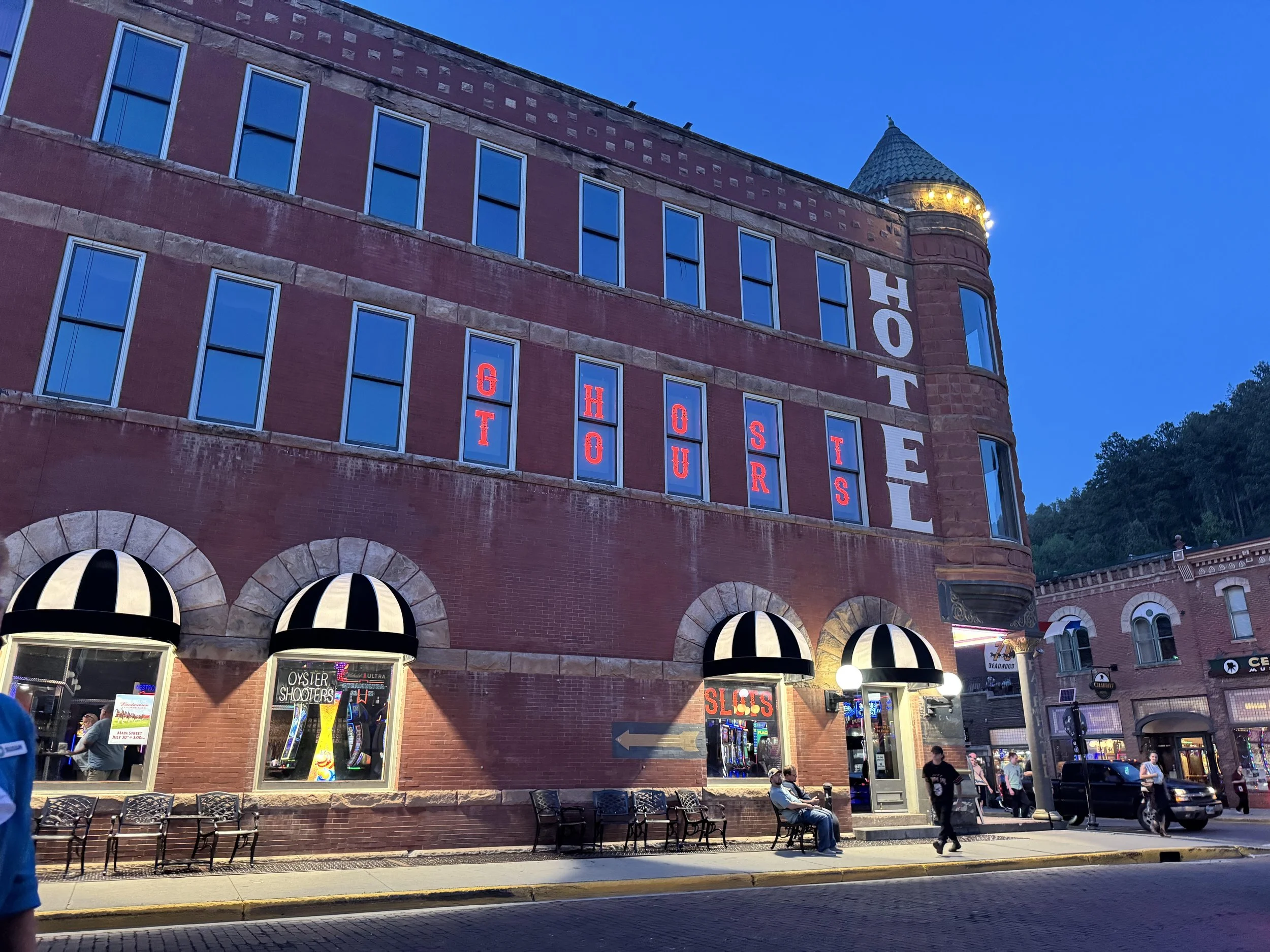
The Historic Fairmont Hotel's ghost and paranormal tours explore the eerie stories and reported hauntings tied to the building's colorful past. Don’t bring something home with ya!
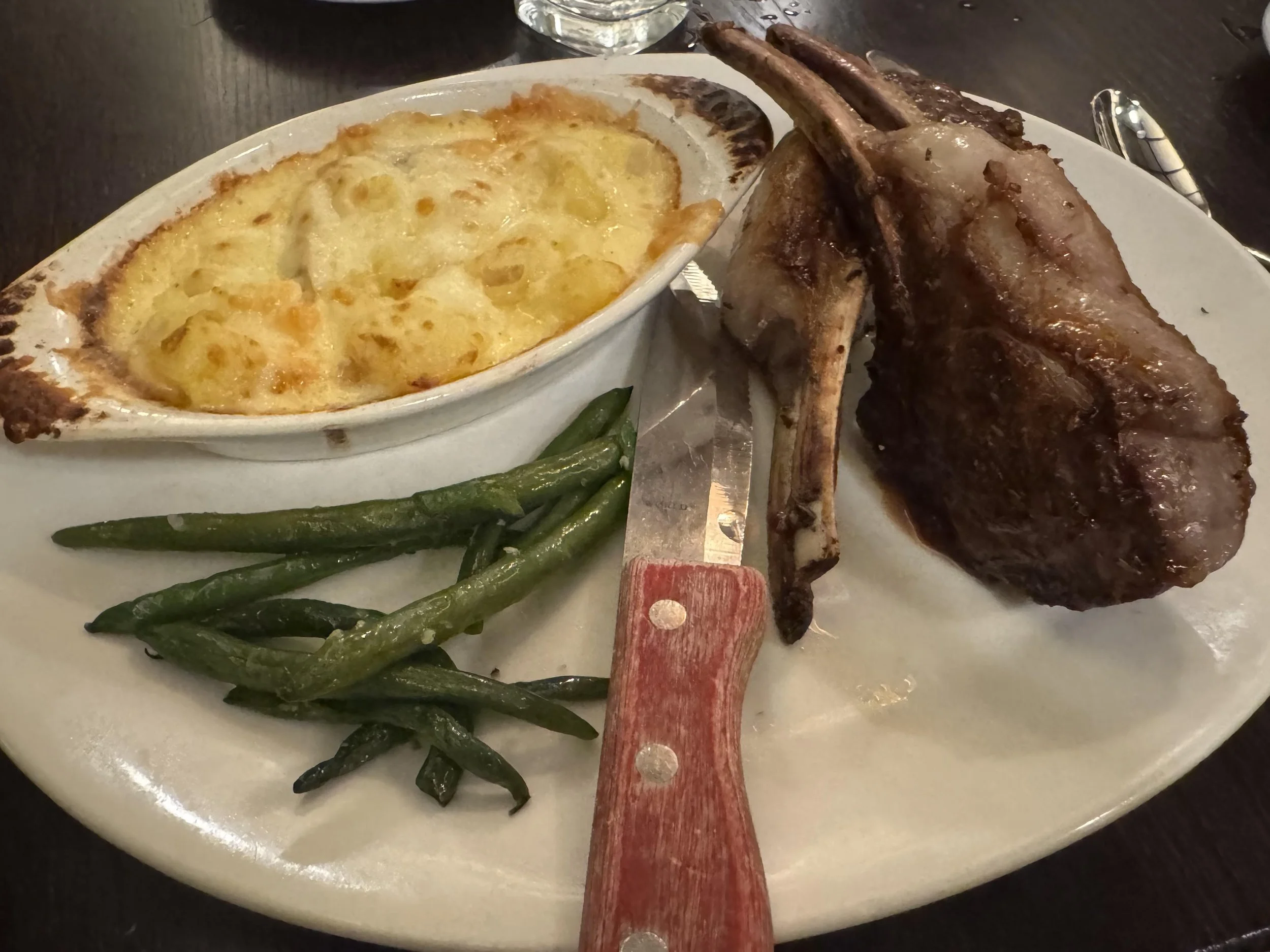
Tender, divine lamb chops served with green beans and cheesy potatoes at Legends Steakhouse inside the historic Franklin Hotel.
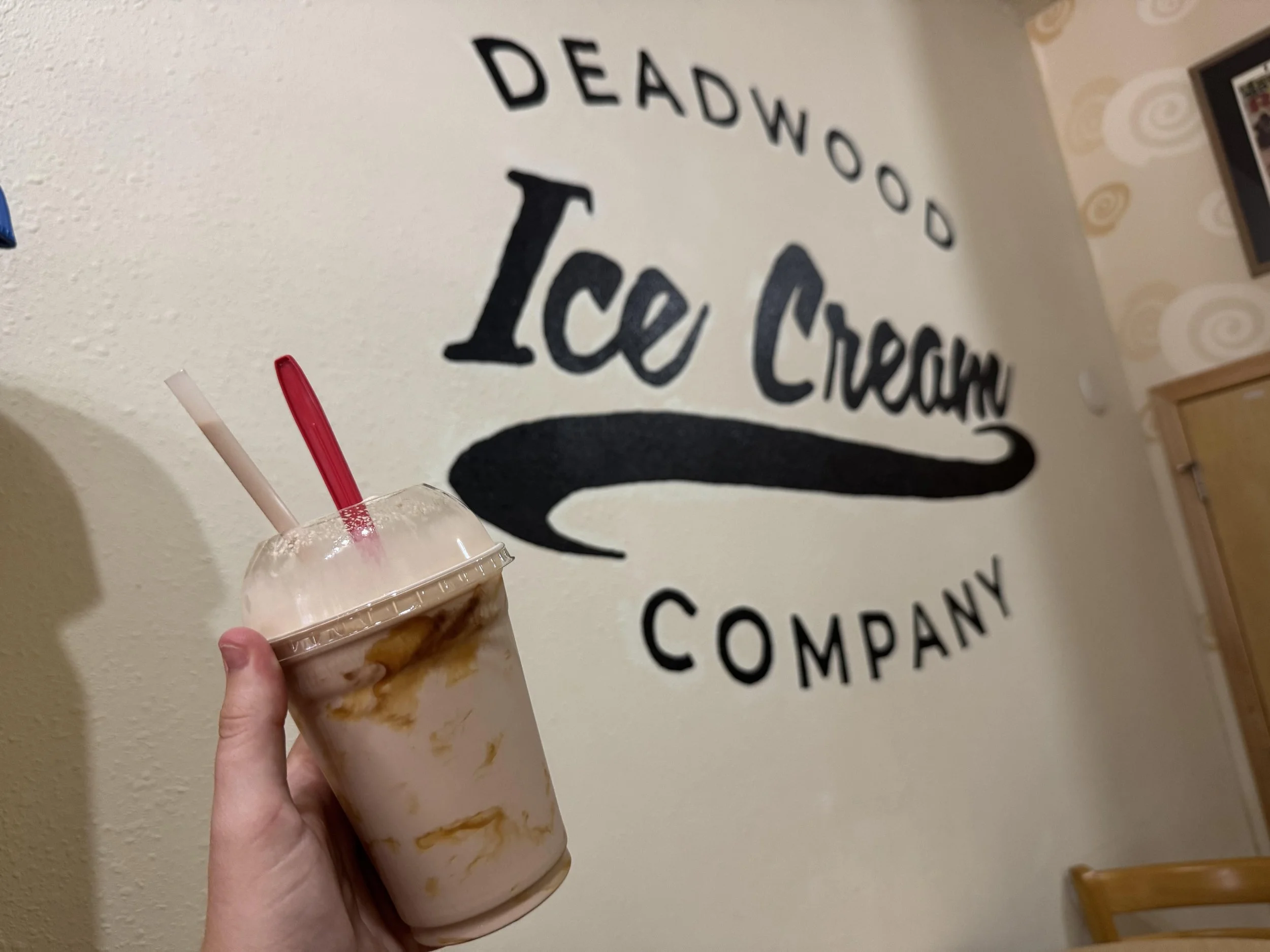
A creamy shake from Deadwood Ice Cream Company makes for a sweet stop while exploring historic downtown!
Deadwood in Popular Culture
Deadwood's legendary reputation has inspired books, films, television shows, and stage productions for generations.
The town served as the setting for HBO's critically acclaimed Deadwood series (2004–2006) and also appears in the Warner Bros. musical Calamity Jane.
Over the years, numerous notable individuals have called Deadwood home or maintained close ties to the community, including Halo voice actor Jeff Steitzer, actress Amy Hill, frontier theater performer Jack Langrishe, entrepreneur Al Swearengen, Nebraska Governor Charles Henry Dietrich, singer Cris Williamson, cowboy poet Charles Badger Clark, Purdue basketball coach Ward Lambert, film director Alfred L. Werker, MLB pitcher Jim Scott, NFL linebacker Craig Puki, and several accomplished architects and civic leaders.
More than 150 years after the Black Hills Gold Rush transformed a quiet gulch into one of the West's most famous boomtowns, Deadwood remains one of South Dakota's premier historic destinations—a place where frontier legends, preserved architecture, and fascinating stories continue to captivate visitors from around the world.
These photos of Deadwood were primarily taken in July 2022 and July 2025. Towns are dynamic places that change constantly; some locations may look different today than they did yesterday.
Learn more about Deadwood, South Dakota, by checking out their official visitor’s guide here. South Dakota Tourism’s full state guide is available here.
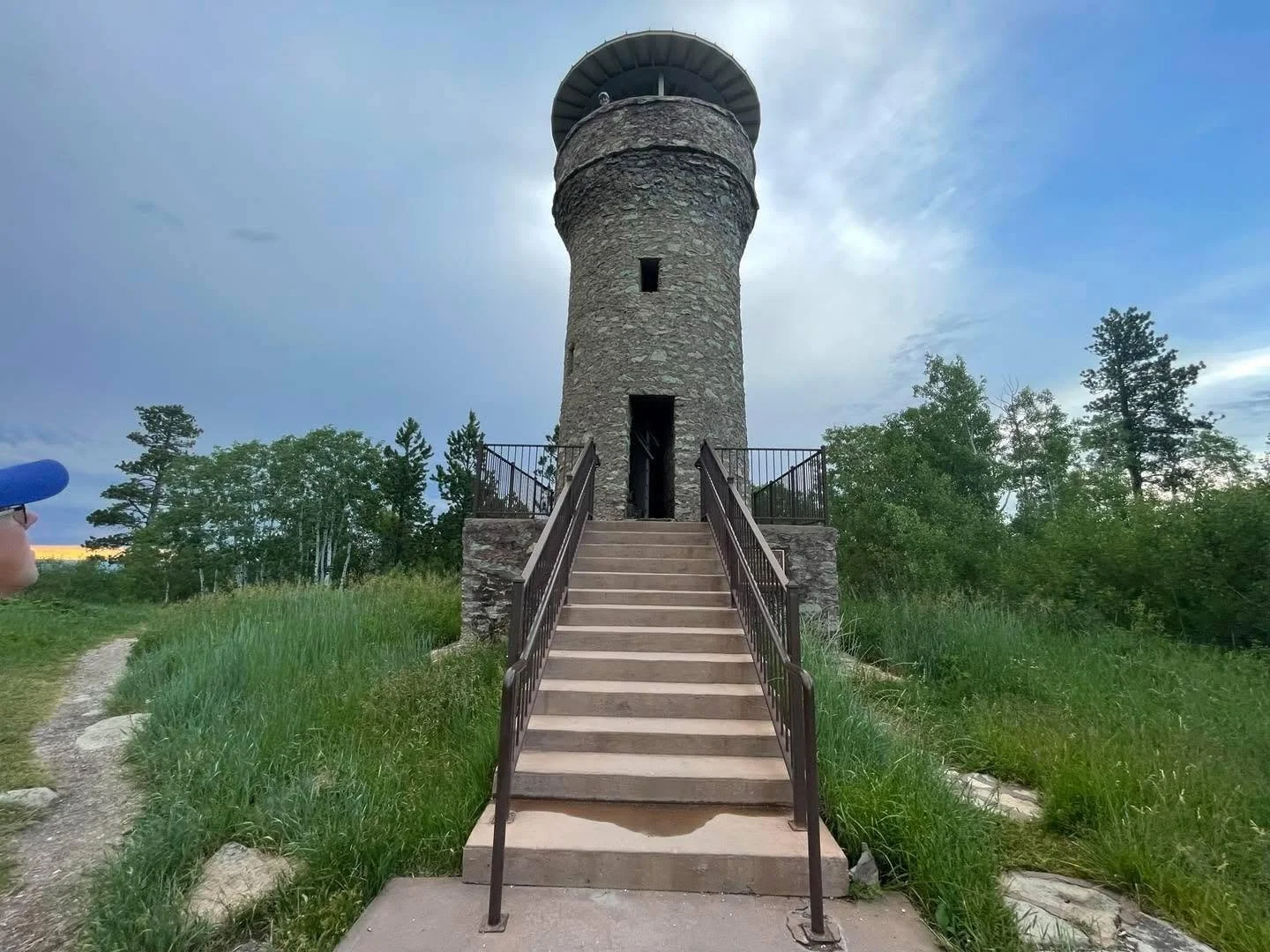
Rising above the trees, the stone Roosevelt Friendship Tower offers visitors a scenic hike and a glimpse into the friendship between Seth Bullock and President Theodore Roosevelt.
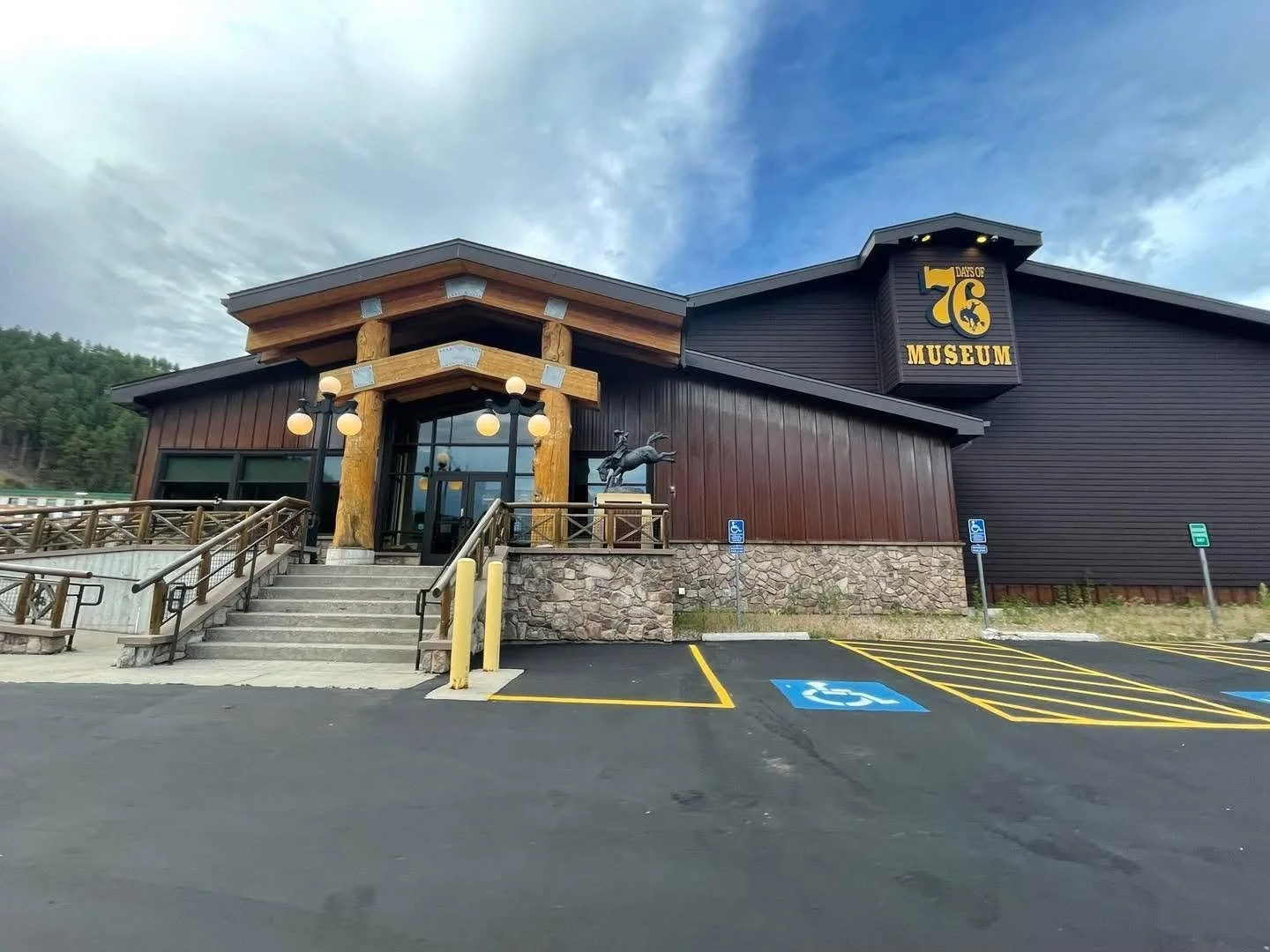
The Days of '76 Museum preserves the wagons, stagecoaches, firearms, clothing, and other artifacts that help tell the story of Deadwood's legendary frontier past and its long-running Days of '76 celebration.
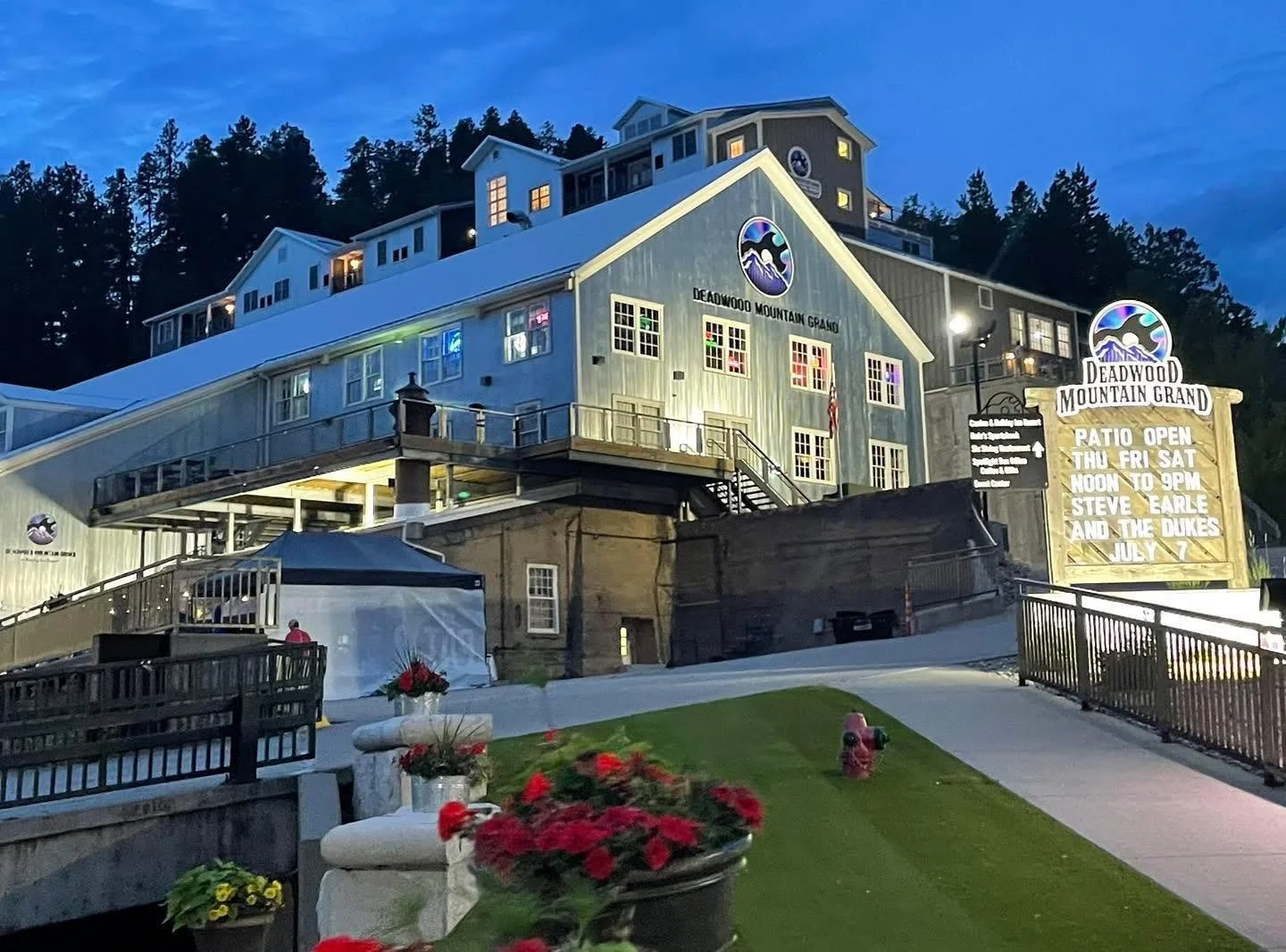
Once a Homestake Mining Company slime plant, the massive complex now known as the Deadwood Mountain Grand has been transformed into a hotel, casino, and entertainment venue.
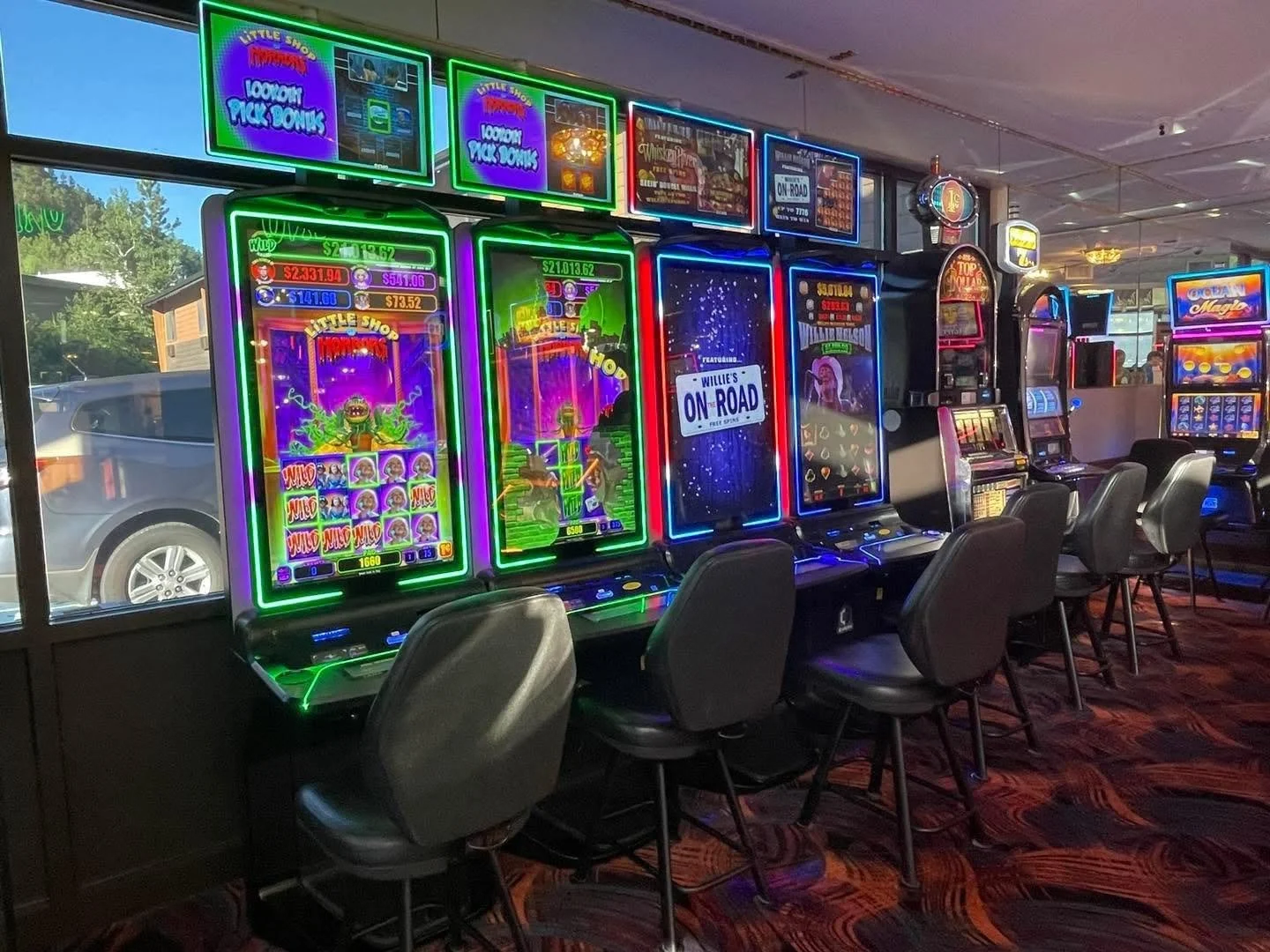
Rows of brightly lit slot machines are a common sight throughout Deadwood, where legalized gaming has played a major role in funding historic preservation and revitalization efforts.
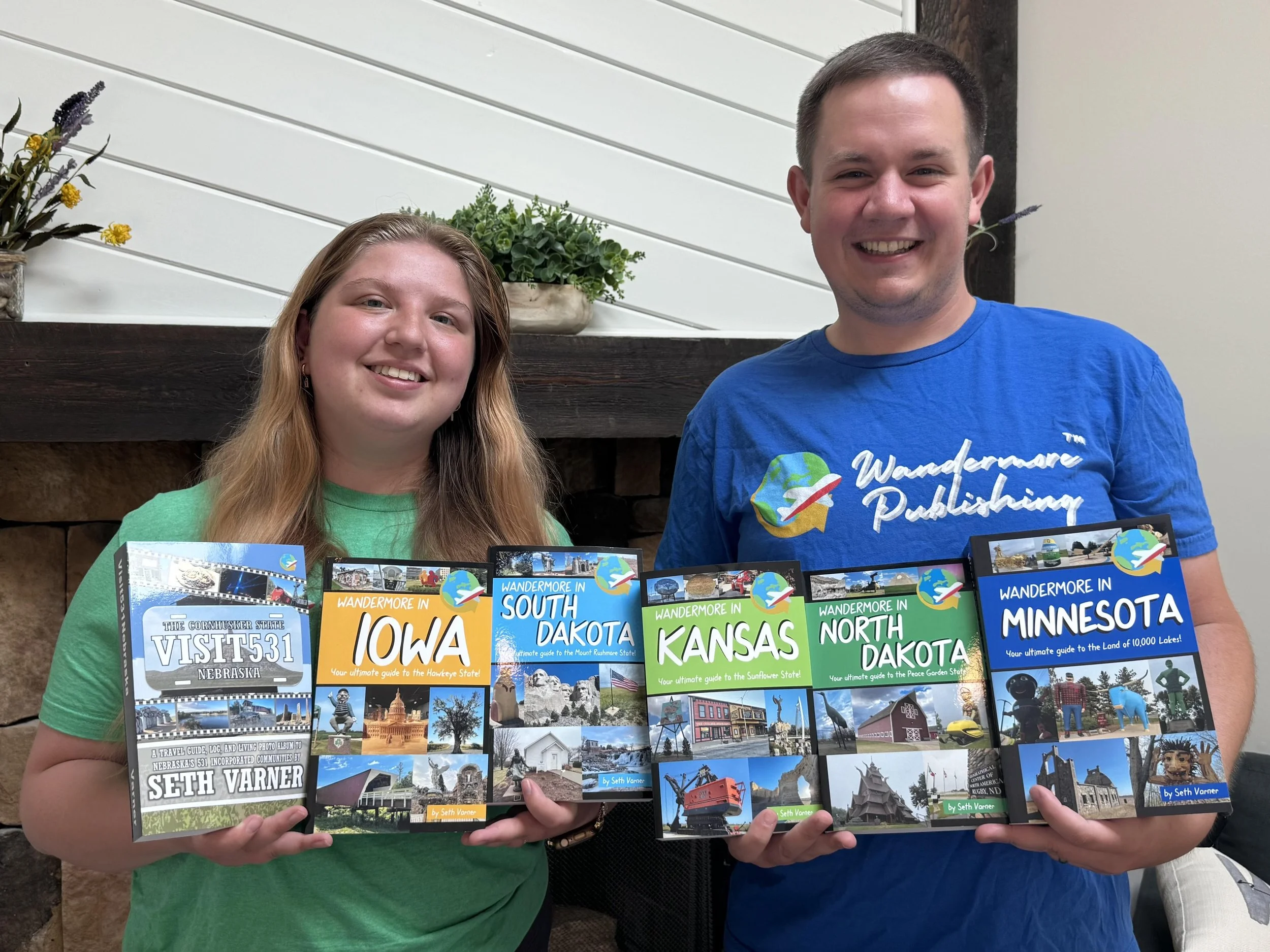
Enjoy learning about South Dakota’s communities? Follow Wandermore in South Dakota on Facebook for more small-town stories, local history, hidden gems, and travel inspiration from across the Mount Rushmore State. We're on a mission to explore and document all 310 incorporated communities in South Dakota—one town at a time. Join thousands of fellow travelers and history enthusiasts as we wander more through South Dakota together!
If you'd like to dive even deeper into South Dakota’s towns and history, be sure to check out Wandermore in South Dakota, our pictorial and historical travel guide featuring all 310 municipalities in the state. Whether you're planning your next road trip or simply enjoy discovering South Dakota’s hidden stories, it's the perfect companion for your journey.