
McCook, Nebraska: The Railroad Hub of Southwest Nebraska
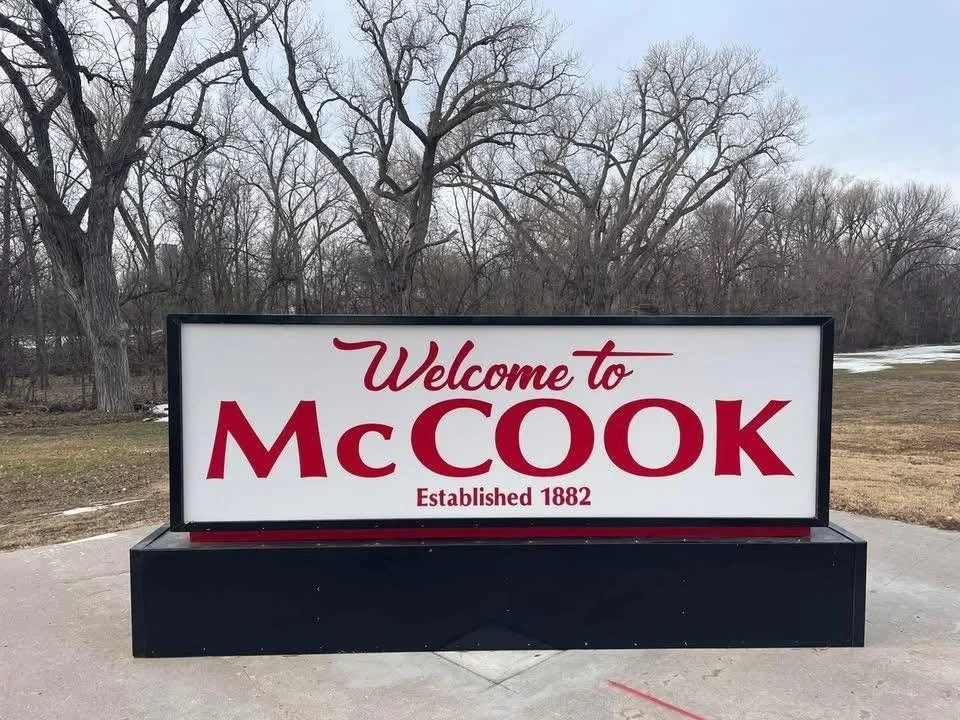
Welcome to McCook: the commercial, educational, and cultural hub of southwest Nebraska: founded in 1882!
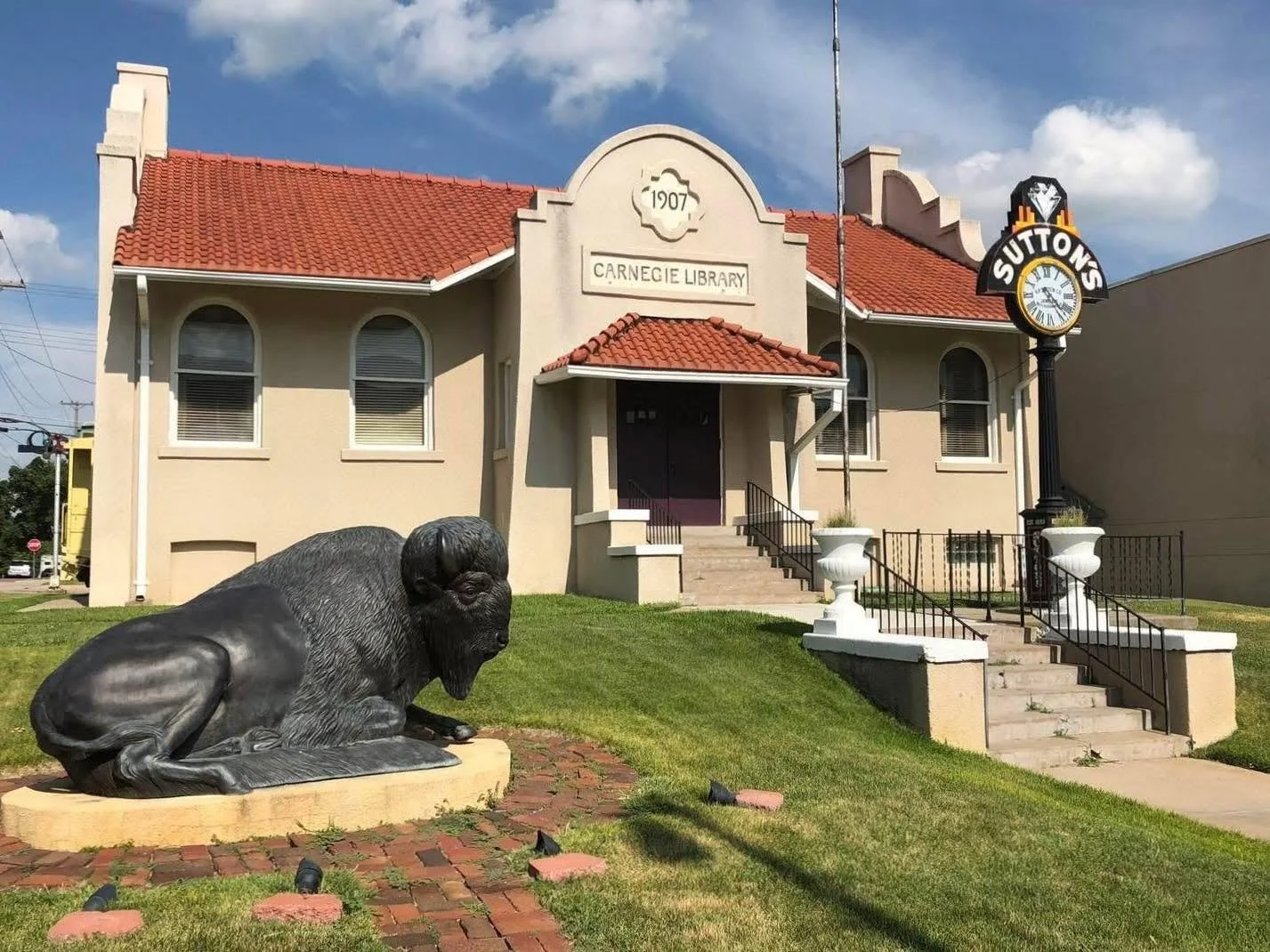
Explore the stories of southwest Nebraska through exhibits highlighting pioneers, Native American history, agriculture, transportation, and military service.
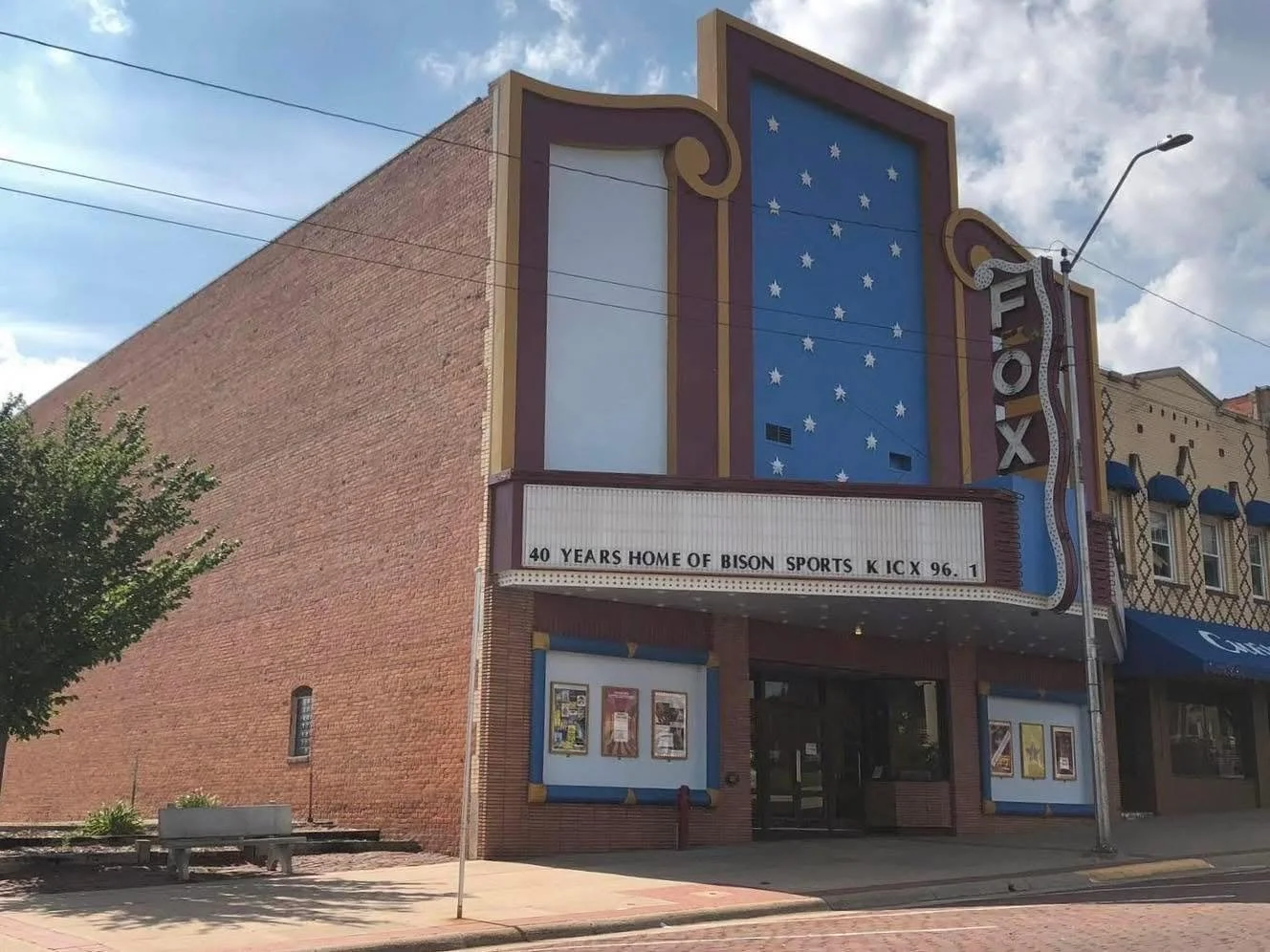
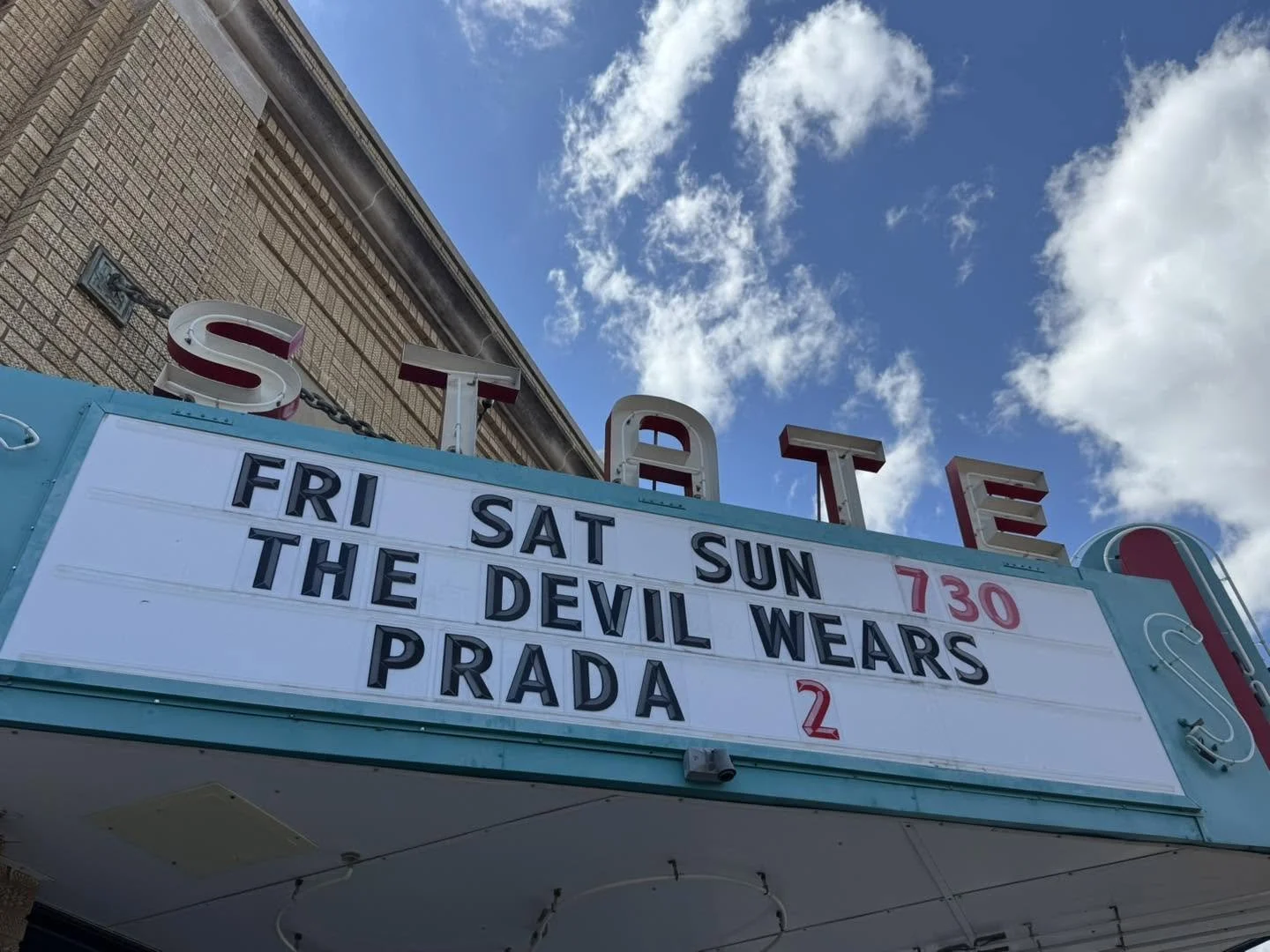
One of downtown's most recognizable landmarks, the Fox Theatre has entertained audiences for decades and remains a centerpiece of the community's historic business district. 🎬
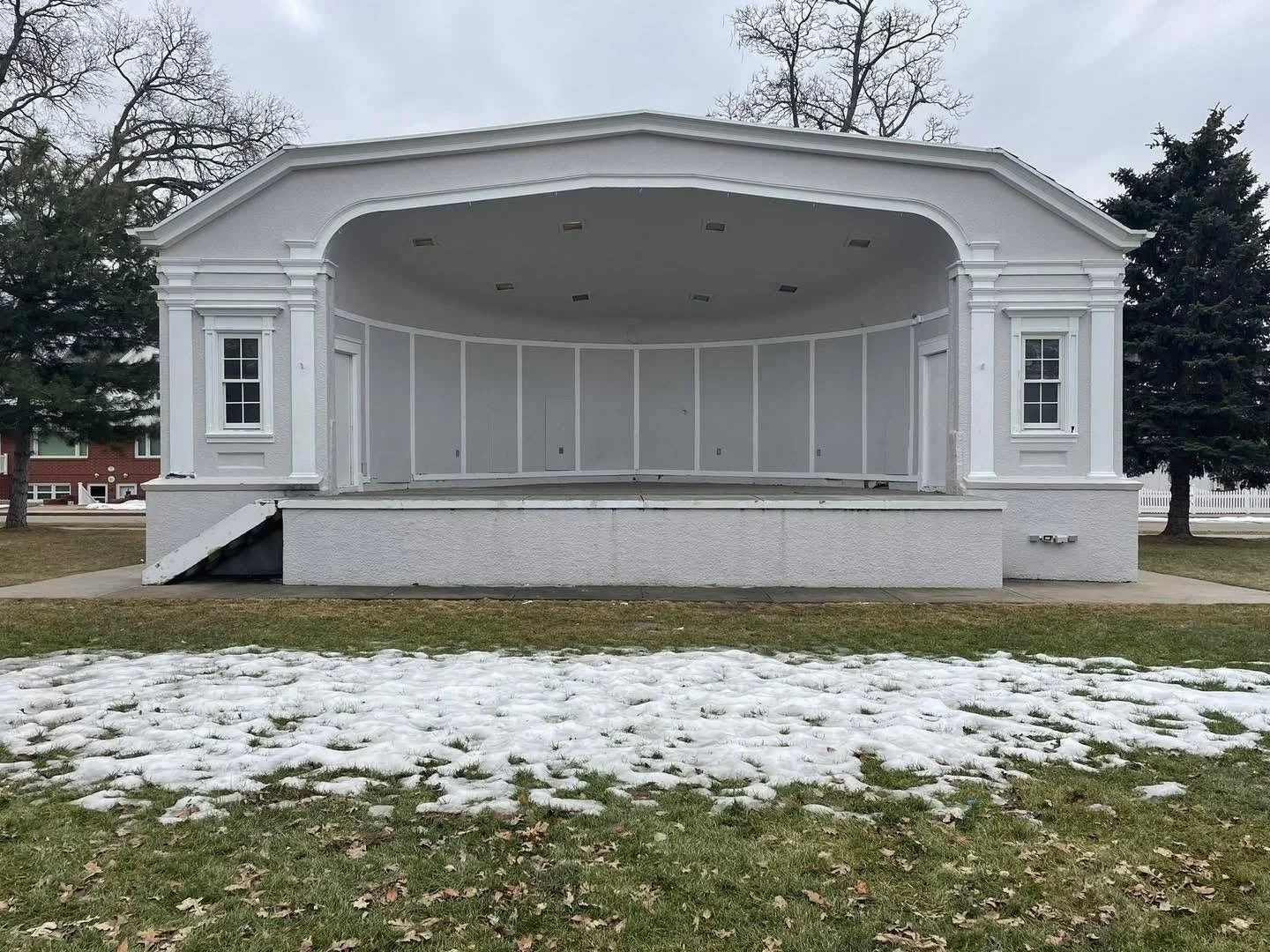
The elegant Norris Park Bandshell has long served as a gathering place for community events and summer entertainment beneath the shade of McCook's historic park.
Population: 7,446
County: Red Willow (County Seat)
Founded in June 1882, the City of McCook has long served as the economic and cultural center of southwest Nebraska. Originally known as Fairview, the community was renamed in honor of Alexander Dowell McCook, a Union brigadier general who served during the American Civil War. Its growth and prosperity can be traced directly to the arrival of the Burlington & Missouri River Railroad, which selected the area as a division point during the railroad's westward expansion.
The Lincoln Land Company platted the townsite in 1882, recognizing the strategic importance of its location along the Republican River. The railroad quickly attracted settlers, merchants, and workers seeking new opportunities on Nebraska's frontier. Growth came rapidly. Less than a decade after its founding, more than 2,300 residents called McCook home.
A Growing Regional Center
As McCook matured, it developed many of the amenities expected of a thriving regional city. Early accomplishments included the construction of the Menard Opera House, a Carnegie Library, and a growing downtown business district that served much of southwest Nebraska. One of the city's most significant achievements came in September 1926 with the establishment of McCook Junior College. The institution became Nebraska's first two-year junior college and remains an important educational center for the region today.
McCook's influence continued to expand, and in 1892, the city wrested the Red Willow County seat from nearby Indianola, further solidifying its position as the area's leading community.
The Air Force Arrives
Another major chapter in McCook's history began during World War II. In the early 1940s, the United States Air Force selected a location approximately nine miles northwest of town as one of eleven military training bases established across Nebraska. The installation could accommodate up to 5,000 service members and brought a significant influx of people, investment, and economic activity to the region. Like many wartime military facilities, the base played an important role in preparing personnel for service during one of the most consequential conflicts in world history.
Famous Faces from McCook
Despite its modest size, McCook has produced or been home to an impressive number of notable individuals. Among the most recognized are television evangelist Bob Larson, former NFL running back Jeff Kinney, and John R. McCarl, who served as the first Comptroller General of the United States.
Three Nebraska governors likewise had ties to McCook: Ralph G. Brooks, Frank Morrison, and Ben Nelson. However, the city is perhaps best known for Senator George Norris, the influential Nebraska statesman who served in Congress for more than forty years and became one of the most respected political figures in American history.
Diehard town-ball baseball fans will recognize McCook for its connection to the McCook Braves, a minor league team that helped launch the careers of several future stars. Hall of Fame pitcher Phil Niekro played in McCook, as did Joe Torre, another Hall of Famer who remains the only person in Major League Baseball history to record more than 2,000 hits as a player and 2,000 wins as a manager. Author Pat Jordan, whose baseball memoir A False Spring became a classic of sports literature, also spent time with the club.
Things to See and Do in McCook
History enthusiasts will find plenty to explore in McCook. The Museum of the High Plains preserves the story of southwest Nebraska through exhibits highlighting pioneer settlement, agriculture, transportation, and regional culture. The Senator George Norris State Historic Site offers visitors the opportunity to learn more about one of Nebraska's most influential political leaders while touring his former home.
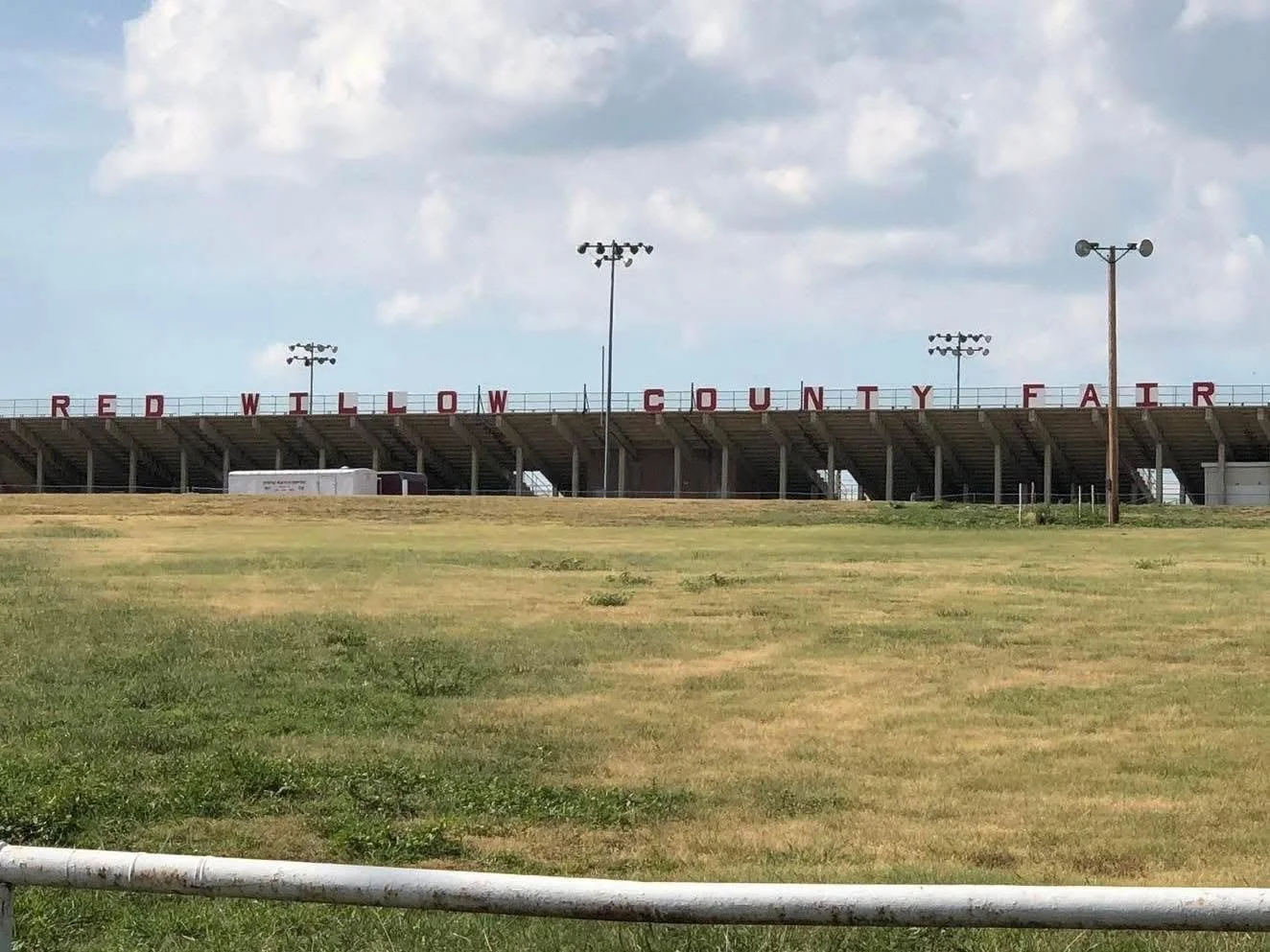
The Red Willow County Fair, held annually in late July, has been bringing communities together for generations with livestock shows, rodeos, concerts, and summertime fun in the heart of southwest Nebraska.
One of McCook's most unique landmarks is the Harvey P. Sutton House, the only Frank Lloyd Wright-designed building in Nebraska. Built between 1907 and 1908 for railroad bandleader Harvey Sutton and his wife, Eliza, the residence showcases Wright's renowned Prairie School architecture through its strong horizontal lines, low-pitched roof, and distinctive stained-glass details. Listed on the National Register of Historic Places, the home remains one of Nebraska's most important architectural treasures. Though privately owned and not open to the public, it serves as a lasting reminder of Wright's influence on American design and his lone contribution to Nebraska's architectural landscape.
For outdoor recreation, Red Willow State Recreation Area is among the region's premier destinations. Visitors can enjoy fishing, boating, swimming, hunting, camping, archery, and wildlife viewing along the scenic banks of the Republican River.
A Lasting Legacy
More than 140 years after its founding, McCook continues to serve as the commercial, educational, and cultural heart of southwest Nebraska. From its beginnings as a railroad division point to its role in military training, higher education, and Nebraska politics, the city has left an outsized mark on the state's history. Today, its combination of historic attractions, outdoor recreation, and regional influence ensures that McCook remains one of Nebraska's most important communities.
These photos were taken during visits on February 1, 2024. Communities are constantly changing, and some features may look different today. We encourage visitors who have stopped in Monowi to share their own stories, memories, and experiences in the comments below.
Learn more about things to see and do in Nebraska by picking up a visitor’s guide here. You can find a McCook-specific visitor’s guide here.
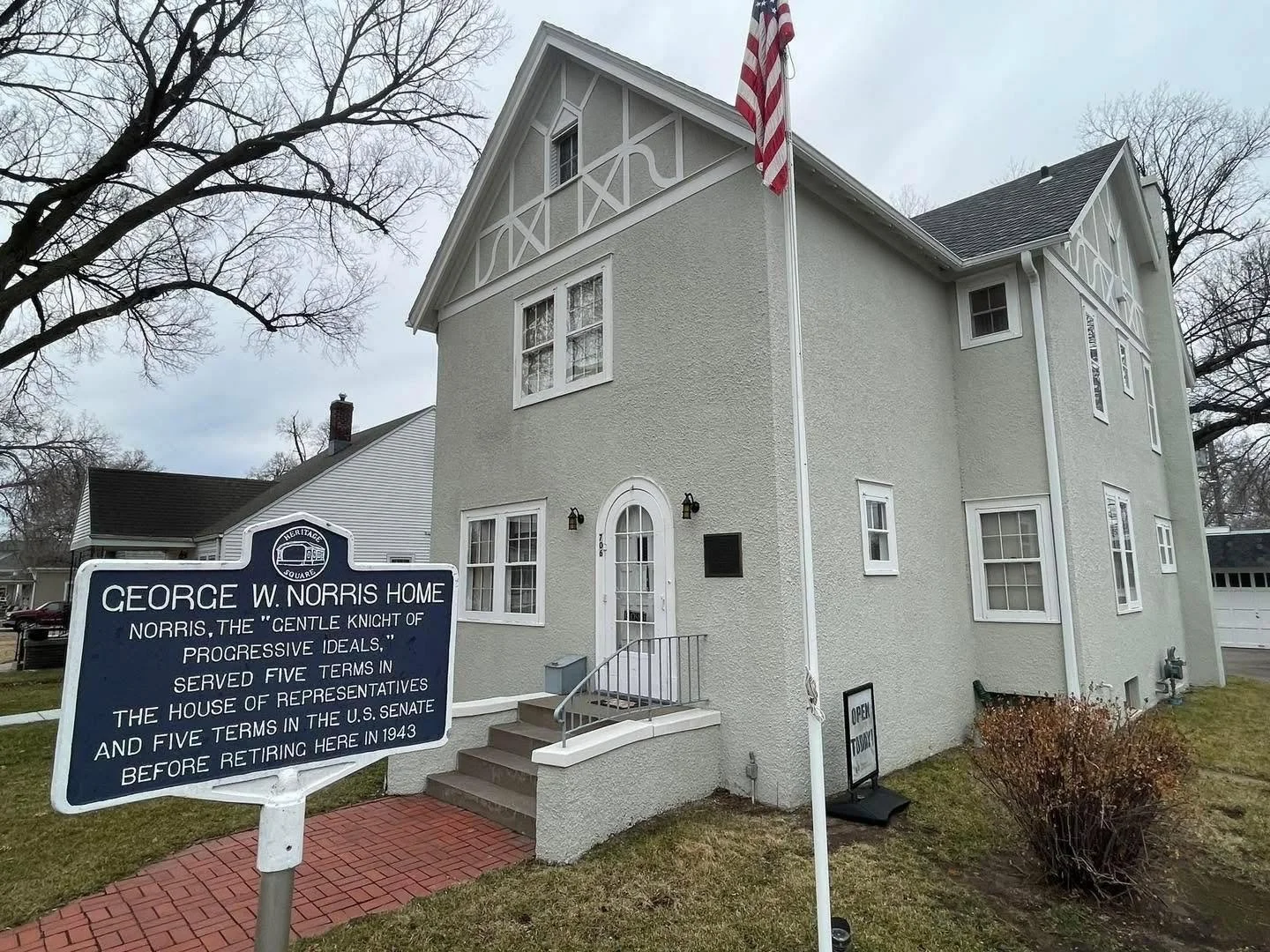
This modest home belonged to U.S. Senator George W. Norris, one of Nebraska's most influential political figures and a champion of public power and progressive reform.
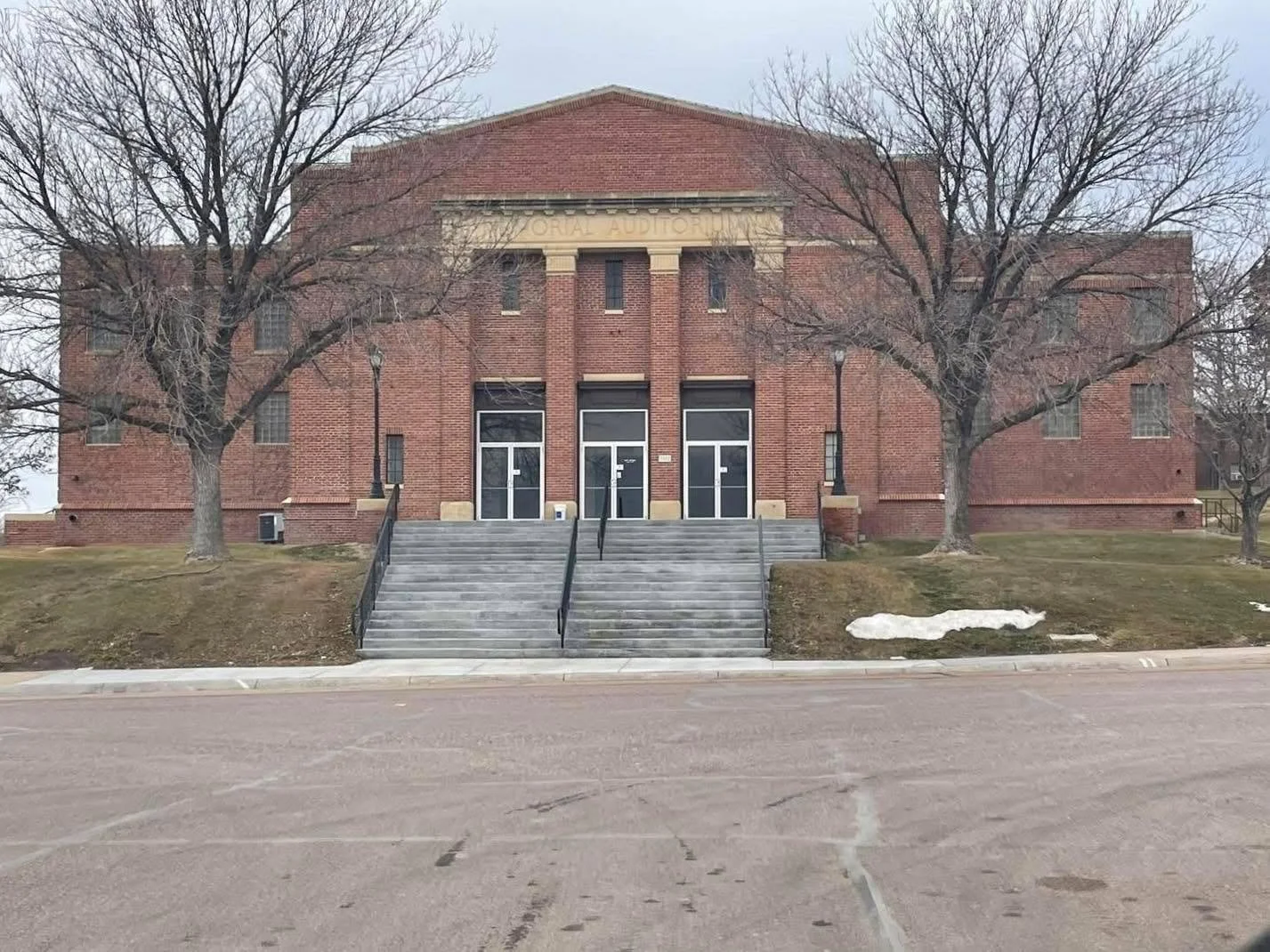
Dedicated in 1926, Memorial Auditorium has hosted generations of community events, performances, and celebrations. President Ronald Reagan once spoke here!
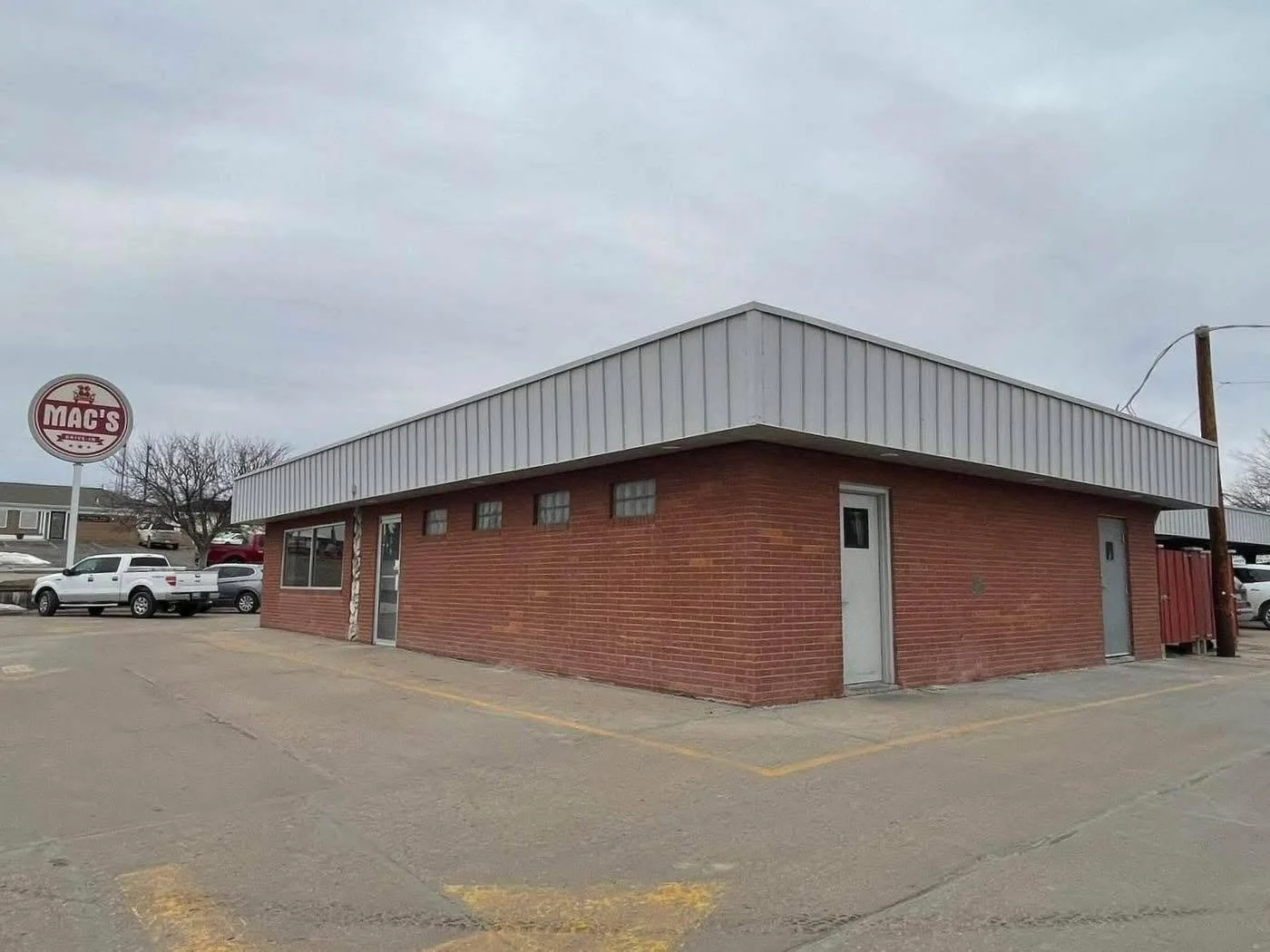
Simple on the outside but legendary on the inside, Mac's Drive-In has earned a loyal following for its classic diner atmosphere and timeless menu.
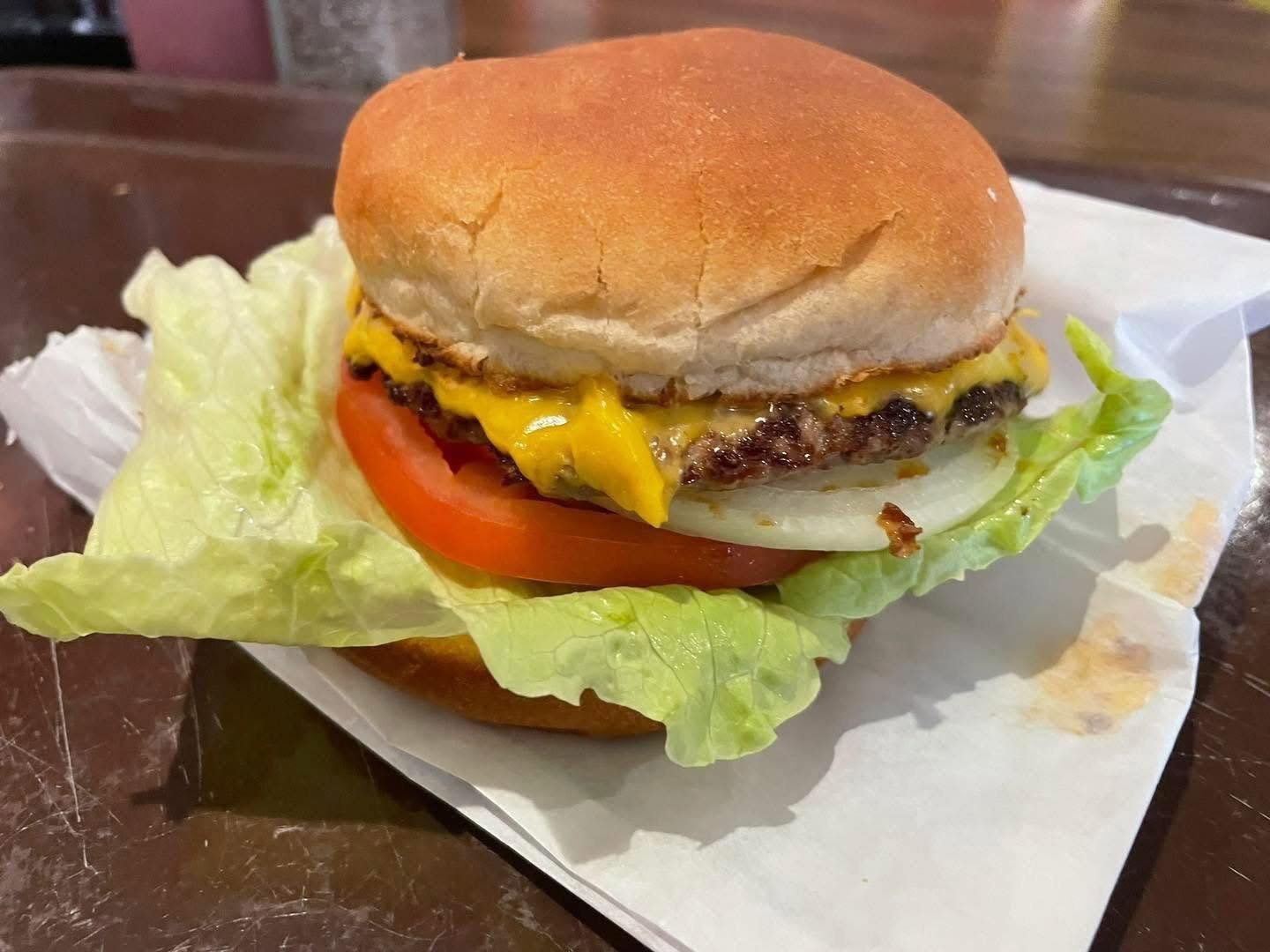
Mac's is practically a McCook tradition. Serving up burgers, fries, and shakes since 1948, the cheeseburgers really can’t be beat! 🍔 Try the onion rings or pizza burger.
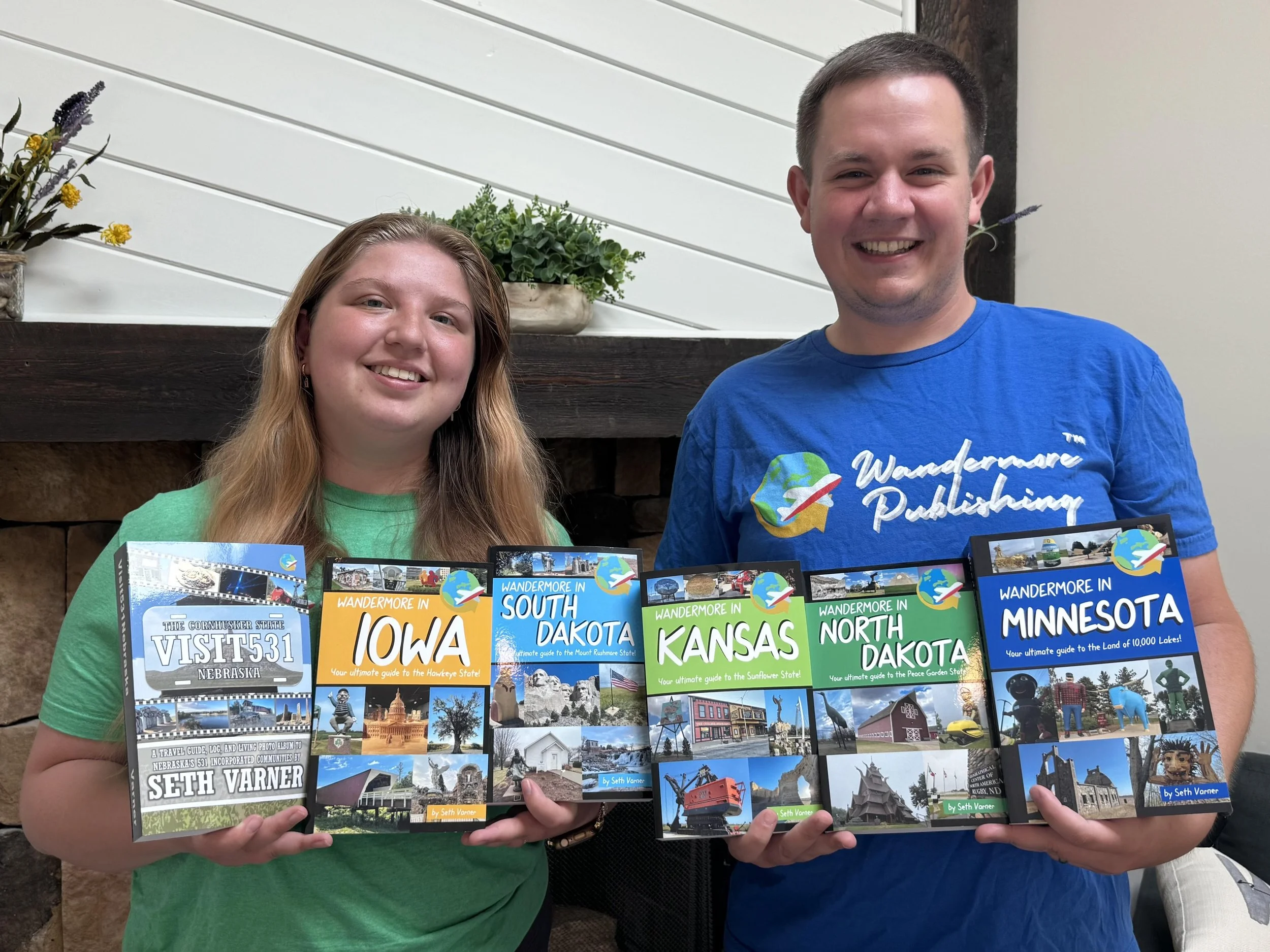
Enjoy learning about Nebraska’s communities? Follow Wandermore in Nebraska on Facebook for more small-town stories, local history, hidden gems, and travel inspiration from across the Cornhusker State. We're on a mission to explore and document all 531 incorporated communities in Nebraska—one town at a time. Join thousands of fellow travelers and history enthusiasts as we wander more through Nebraska together!
If you'd like to dive even deeper into Nebraska’s towns and history, be sure to check out Visit531Nebraska: A Guide to Nebraska’s 531 Incorporated Communities, our pictorial and historical travel guide featuring all 531 municipalities in the state. Whether you're planning your next road trip or simply enjoy discovering Nebraska’s hidden stories, it's the perfect companion for your journey.
Founded in June 1882, the City of McCook has long served as the economic and cultural center of southwest Nebraska. The town is home to historic gems, including a Frank Lloyd Wright House, the Museum of the High Plains, and the locally famous Mac’s Drive In!