
Moorhead, Minnesota History: From Lake Agassiz to the Birthplace of the Dilly Bar
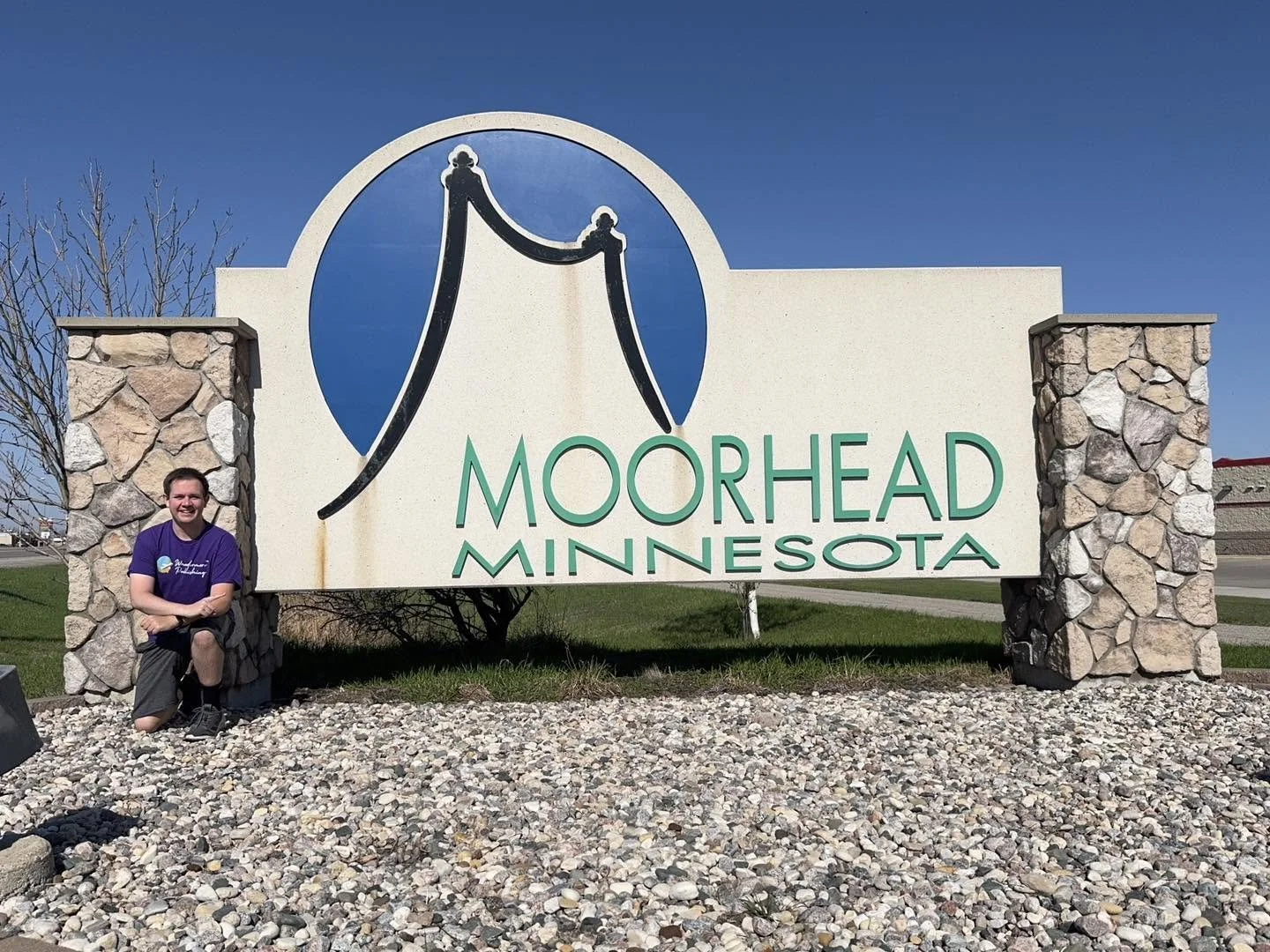
Welcome to Moorhead, Minnesota! Founded in 1871 along the Red River of the North, the city grew from a bustling railroad town into one of western Minnesota's largest communities.
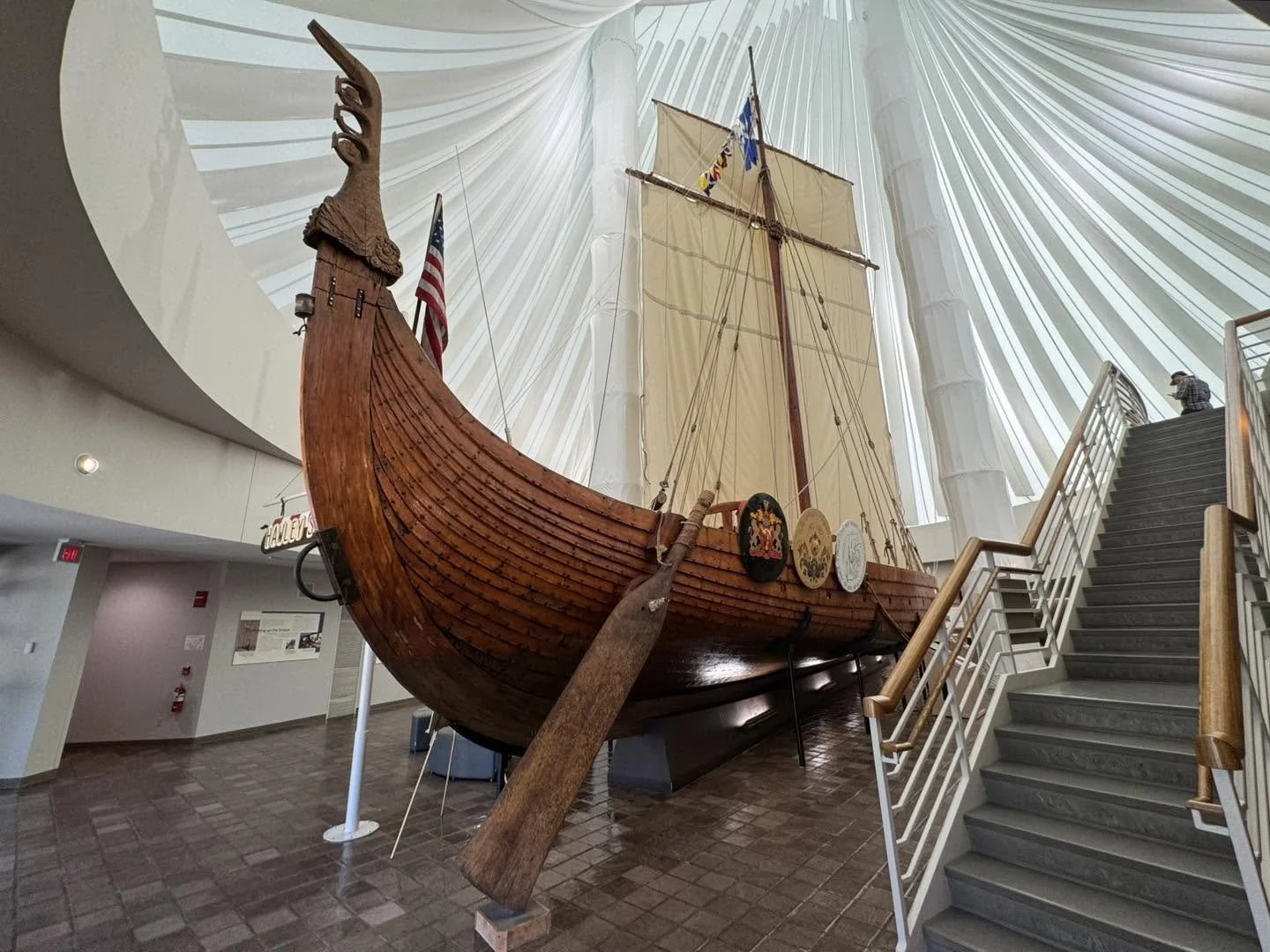
One of Moorhead's most iconic attractions, the Hjemkomst is a full-scale Viking ship replica that successfully sailed from Minnesota to Norway in 1982, retracing the route of early Norse explorers.
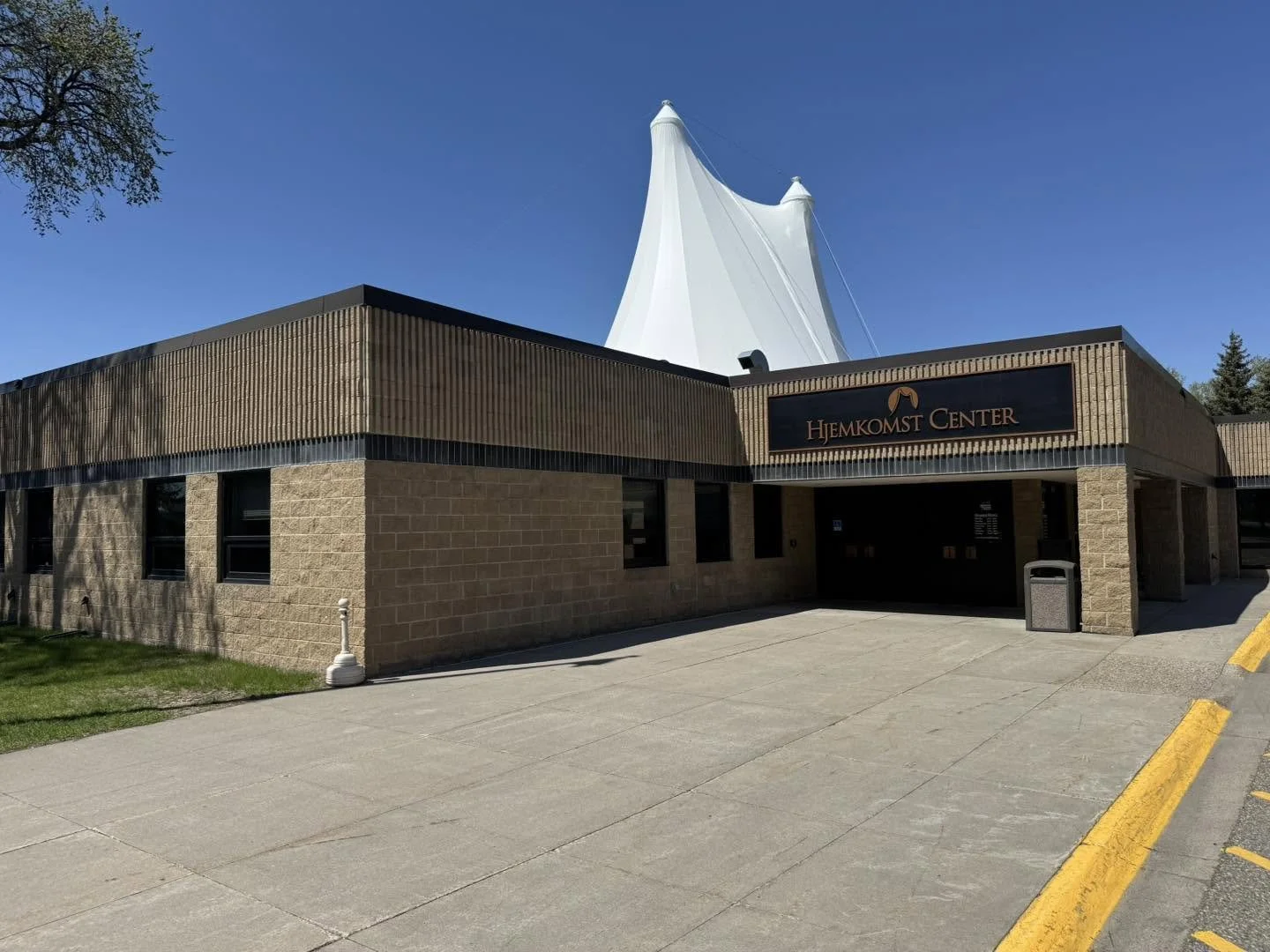
The Hjemkomst Center serves as one of Moorhead's cultural anchors, housing the famous Viking ship replica, regional history exhibits, and access to the nearby Norwegian-style stave church.
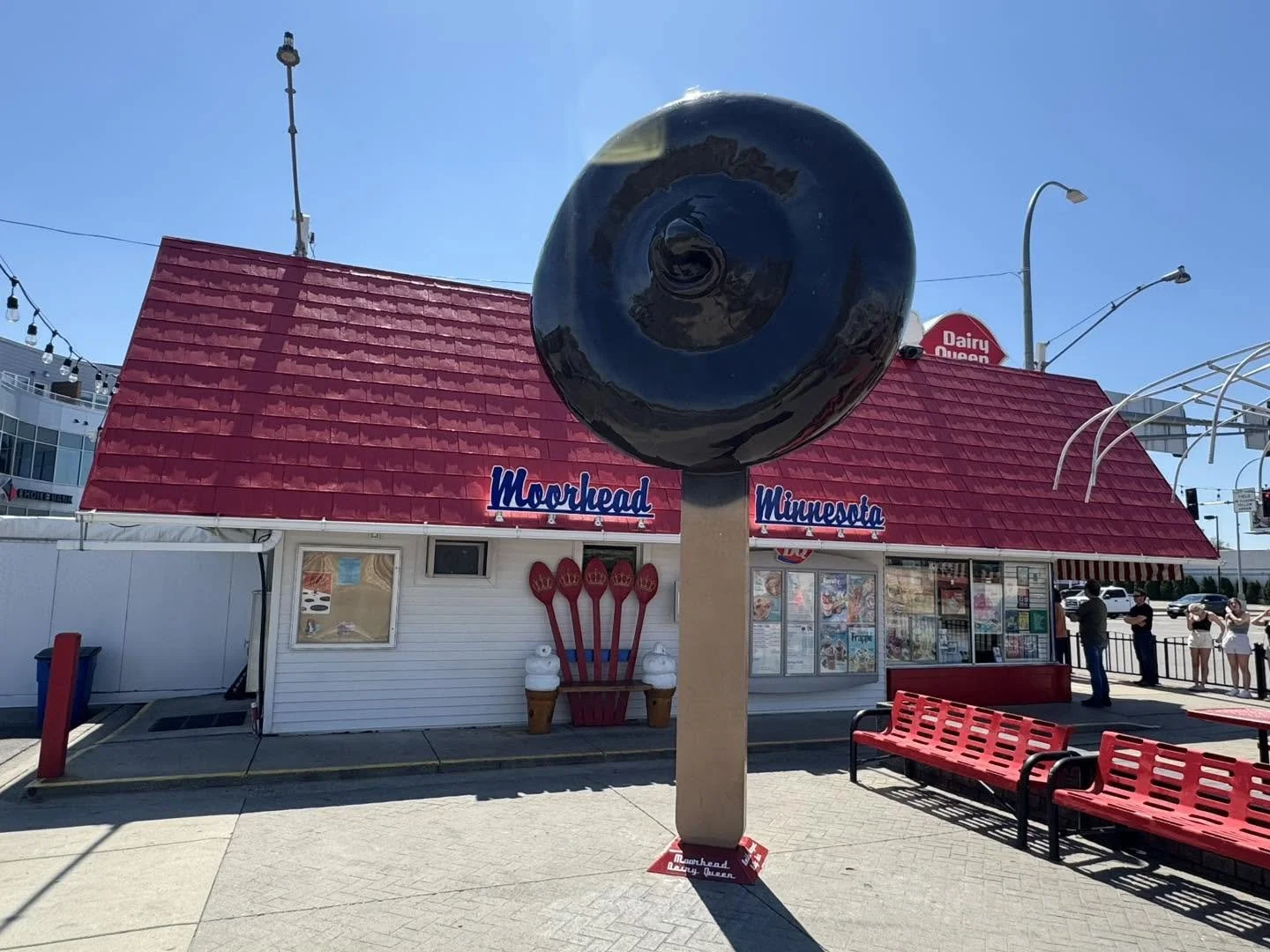
Moorhead's Dairy Queen claims one of the sweetest pieces of history in Minnesota—the invention of the Dilly Bar in 1955! A giant Dilly Bar sculpture now stands outside to commemorate the occasion.
Population: 44,505
County: Clay County (County Seat)
Today, Moorhead, Minnesota, is best known as one-half of the Fargo-Moorhead metropolitan area, a thriving regional hub along the Red River of the North. Yet the city's story begins thousands of years before its first settlers arrived, when a massive prehistoric lake covered much of the northern Great Plains. When visiting Fargo, it's worth taking the time to cross the river into Minnesota to explore lesser-known Moorhead!
A City Built on an Ancient Lake
Thousands of years ago, the entire region surrounding modern-day Moorhead and Fargo sat beneath the waters of glacial Lake Agassiz. At its peak, this enormous body of water was larger than all of the Great Lakes combined. As the glaciers retreated, Lake Agassiz slowly drained northward into Hudson Bay, leaving behind one of the flattest and most fertile landscapes on Earth.
Today, this former lakebed is known as the Red River Valley—a rich agricultural basin that stretches across portions of Minnesota, North Dakota, and Manitoba.
Recognizing the strategic value of the Red River of the North, Northern Pacific Railroad director William Galloway Moorhead and his brother-in-law, financier Jay Cooke, established a townsite here in 1871. Because of its location along both the river and the expanding railroad network, Moorhead quickly emerged as an important transportation center connecting Winnipeg, Minneapolis, and St. Paul. By the time of the 1880 Census, the young community had already grown to approximately 1,500 residents.
The Wild Days of "Sin City"
Not all of Moorhead's early growth came from respectable enterprises.
During the 1880s, neighboring Fargo prohibited the sale of alcohol, creating an opportunity for businesses on the Minnesota side of the river. Moorhead soon became home to more than one hundred saloons, drawing visitors from across the region.
The city gained the notorious nickname "Sin City" as gambling, crime, and vice flourished alongside legitimate commerce. Although these rough-and-tumble years helped fuel economic growth, it would take decades for Moorhead to shed its unruly reputation.
Railroads, Hotels, and a Growing Community

As public utilities improved and the city was officially incorporated on February 24, 1881, Moorhead began developing into a more established community. One of the city's earliest landmarks was the Grand Pacific Hotel, built in 1881. Featuring 140 rooms, the hotel served the growing stream of railroad travelers passing through the region. Although the structure was demolished in 1996, it once stood as one of Moorhead's most prominent buildings.
Rail transportation continued to shape the city for decades. By 1915, the Great Northern and Northern Pacific railroads and their branch lines served Moorhead from eight directions. A streetcar system connected Moorhead with Fargo and nearby Dilworth, where Northern Pacific operated its shops and roundhouse facilities. The Great Northern Railroad maintained its own extensive operations in southern Moorhead, further cementing the city's importance as a transportation hub.
Historic Buildings and Architectural Treasures
As businesses multiplied and the population expanded, Moorhead developed many of the civic institutions that still define the city today.
Among the community's proudest accomplishments were a modern post office, public library, numerous churches, and several school buildings. Park Elementary School, built in 1900, remains the city's oldest standing school and is one of ten Moorhead sites listed on the National Register of Historic Places.
Other notable historic landmarks include:
St. John the Divine Episcopal Church (1898–1899) is an elegant example of Shingle Style architecture.
The former Federal Courthouse and Post Office (1915) is now home to the Rourke Art Museum.
The Fairmont Creamery Building (1923).
The Frank Burnham Building (1879) is one of the community's oldest commercial structures.
John B. Bergquist's log cabin, dating to 1870.
The Solomon Gilman Comstock House, a stunning Queen Anne/Eastlake residence built in 1882–1883, is now operated as a museum through the Historical and Cultural Society of Clay County and the Minnesota Historical Society.
A Center for Higher Education
Education has long played an important role in Moorhead's identity. Concordia College, a private liberal arts institution founded by Norwegian immigrants in 1891, remains one of the city's most recognizable landmarks. Its Main Building, completed in 1906, is listed on the National Register of Historic Places.
Moorhead is also home to:
Minnesota State University Moorhead, whose roots date back to the Moorhead Normal School established in 1888.
Minnesota State Community and Technical College.
Rasmussen University, founded in 1900 and now operating campuses across multiple states.
Together, these institutions have helped make Moorhead one of Minnesota's most important college towns.
Things to See in Moorhead
Visitors exploring Moorhead today will find plenty of unique attractions.
The Clay County Museum and Archives houses more than 30,000 artifacts documenting the region's history.
Music lovers can catch performances at the Bluestem Amphitheater, a 3,000-seat outdoor venue that has welcomed acts such as Weezer, the Goo Goo Dolls, and The Beach Boys.
Perhaps the city's most iconic attraction is the Hjemkomst Center, home to a full-scale replica Viking ship and the beautiful Hopperstad Stave Church, modeled after traditional Norwegian architecture. A stave church (similar to the one in Minot, North Dakota) stands tall as an incredible early piece of Scandinavian architecture, and it is here where visitors can learn all about one man's mission to build a ship (the Hjemkomst) and sail it all the way to Norway!
And then there's the local Dairy Queen.
Home of the Dilly Bar
Having worked at Dairy Queen for five years, I consider myself a bit of an ice cream connoisseur. I've tried literally every imaginable combination of Blizzard candies, all of the Orange Julius combinations, and toppings on sundaes that should NEVER be combined (pineapple Sunday with creme de mint, anybody?).
So imagine my surprise when I came across one of Moorhead's sweetest claims to fame: its historic Dairy Queen location, where the famous Dilly Bar was reportedly invented in 1955. To celebrate the city's connection to the iconic dessert, a 12-foot-tall Dilly Bar sculpture was erected in 2018.
The restaurant remains a beloved local institution and offers specialty treats unavailable at most Dairy Queen franchises, including Chipper Sandwiches, Monkey Tails (a frozen chocolate banana on a stick), and Mr. Malties. I remember Chippers as a kid in the early 2000s, but I had never seen Monkey Tails nor Mr. Malties! Apparently, Mr. Maltie was a snowflake mascot that touted a "healthier," low-calorie ice cream pop sold at DQs across the country from 1963 to 1976. Nowadays, you can't find them on any menu but Moorhead's!
Record Heat on the Northern Plains
While Minnesota is often associated with cold winters, Moorhead shares the state's all-time temperature record. On July 6, 1936, temperatures soared to an astonishing 115°F, tying the hottest temperature ever recorded in Minnesota alongside the community of Beardsley.
Famous People from Moorhead
Over the years, Moorhead has produced a remarkable number of notable individuals, including:
Major General Karl Truesdell, who served during both World Wars.
Olympic figure skater Mark Ladwig, who competed at the 2010 Winter Olympics.
U.S. Senator Warren Magnuson was one of Washington state's most influential political figures.
Broadway actress Becky Gulsvig.
Sister Annella Zervas, a Benedictine nun, is currently being considered for sainthood.
Actress Leslie Stefanson is best known for her role in The General's Daughter.
Ecologist brothers Adolph and Olaus Murie were pioneers in wildlife conservation and research.
NHL players Matt Cullen, Will Borgen, Brian Lee, and Chris VandeVelde.
Exploring Moorhead Today
From its origins beneath a massive prehistoric lake to its colorful days as the notorious "Sin City" of the Red River Valley, Moorhead has continually reinvented itself throughout its history.
Today, visitors can experience a unique blend of railroad heritage, higher education, Norwegian culture, historic architecture, and quirky roadside attractions—all while exploring one of the most important communities in western Minnesota. Whether you're visiting the Hjemkomst Center, enjoying a concert at Bluestem Amphitheater, touring historic neighborhoods, or stopping for a famous Dilly Bar or iconic Mr. Malty, Moorhead offers far more history and character than many travelers might expect!
These photos of Moorhead were primarily taken on May 4, 2025. Towns are dynamic places that change constantly; some locations may look different today than they did yesterday. Not every business, landmark, or point of interest is pictured. We hope you enjoy the photos and encourage you to share your own memories, stories, and experiences in the comments.
Learn more about Moorhead, Minnesota, by picking up a visitor’s guide here. Explore Minnesota’s full state guide is available here.
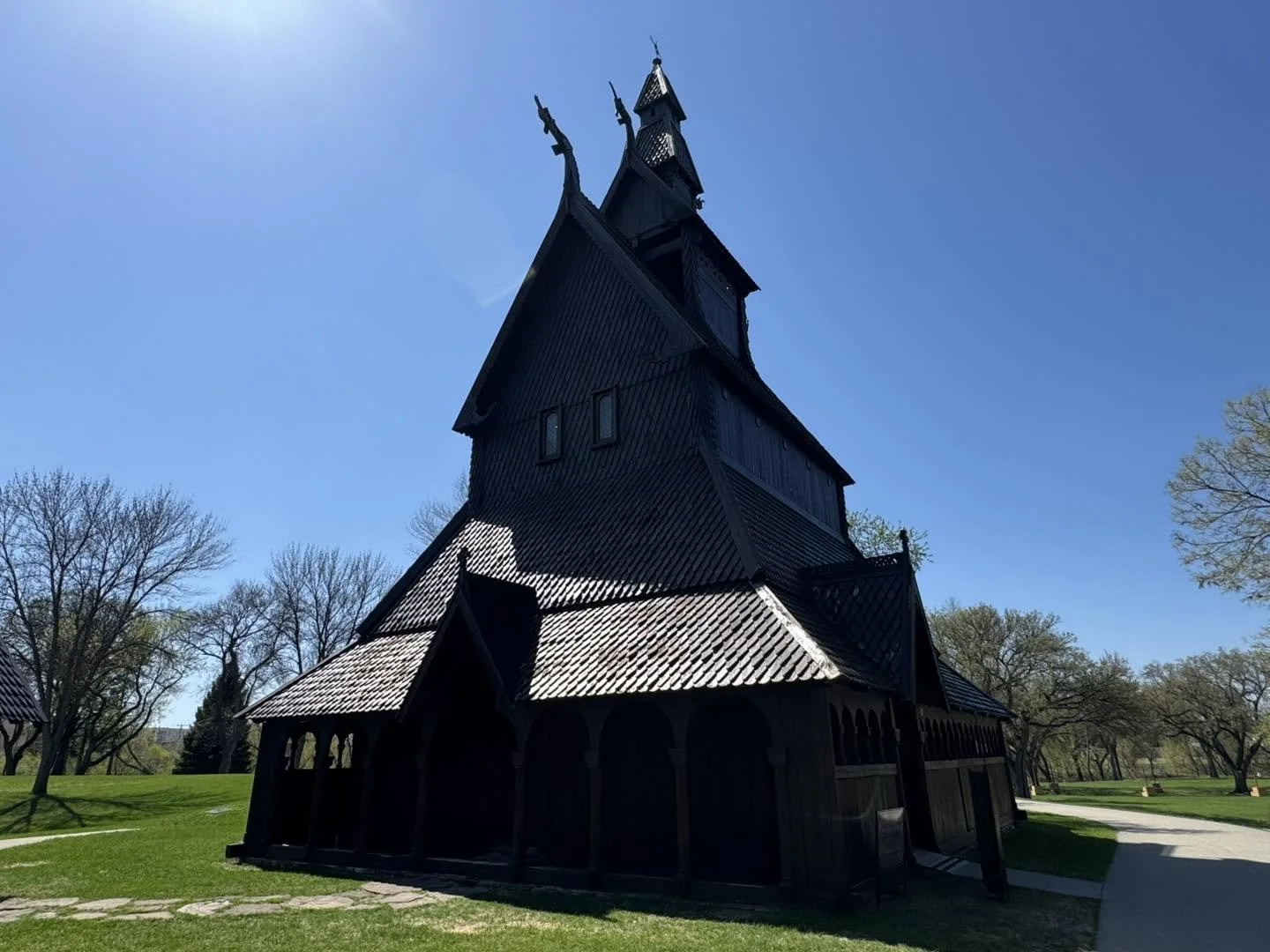
This stunning replica of Norway's Hopperstad Stave Church stands beside the Hjemkomst Center and serves as a reminder of the strong Norwegian heritage that helped shape Moorhead and much of the Red River Valley.
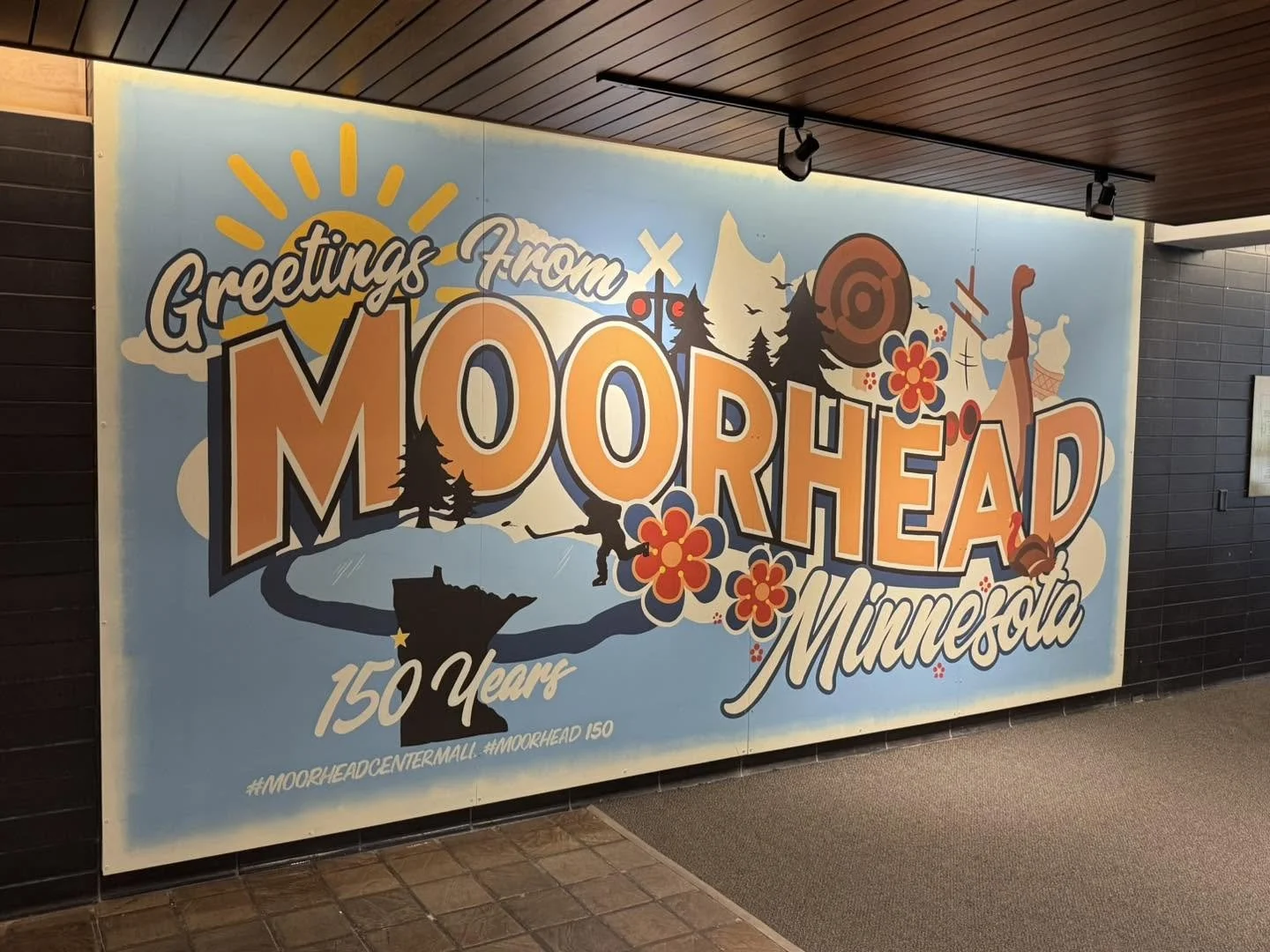
This colorful mural celebrates Moorhead's 150th anniversary and highlights many of the things that make the city unique—from Scandinavian heritage and education to the famous Dilly Bar and Hjemkomst Viking ship.
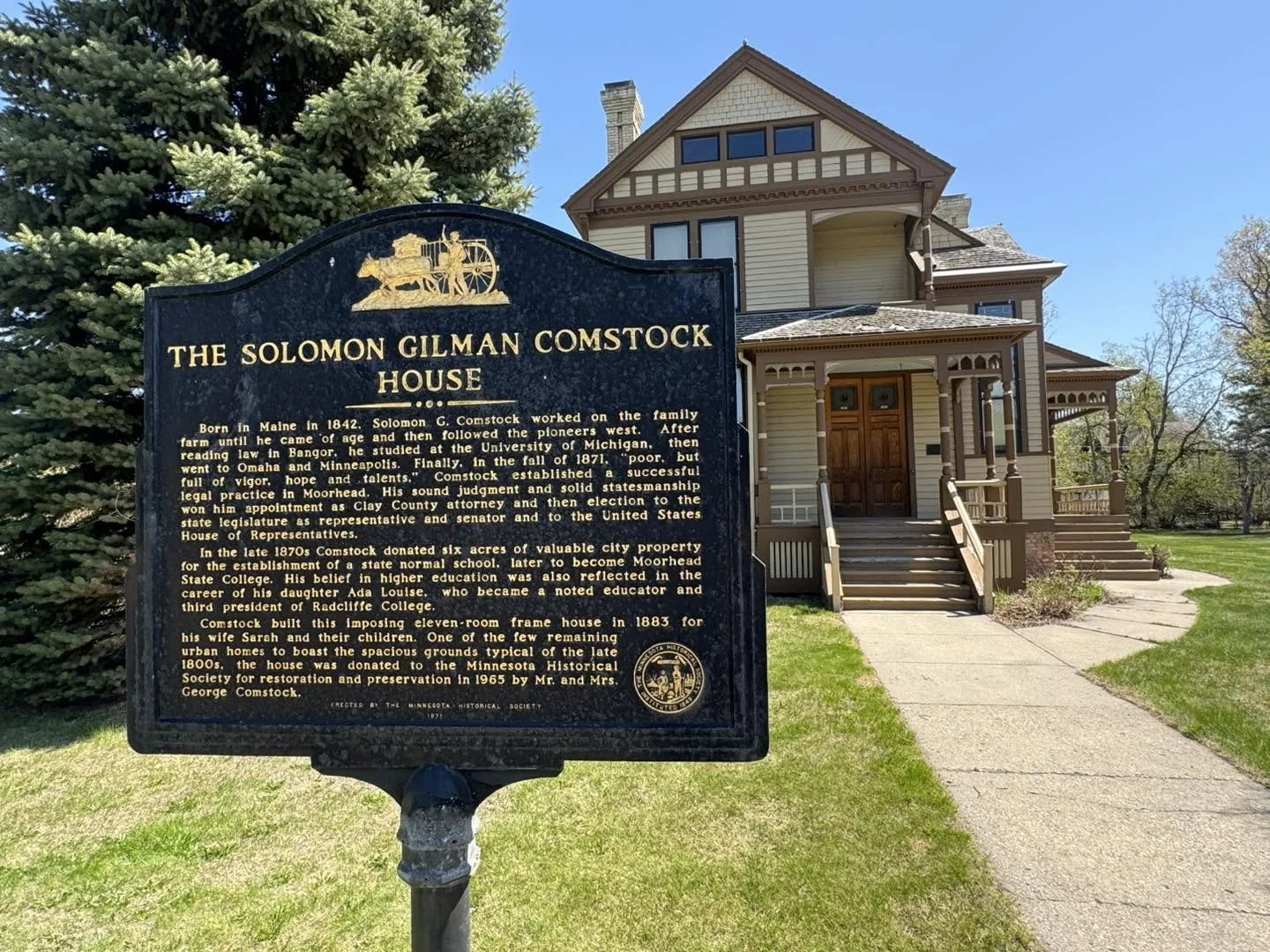
Built in 1882–83, the Solomon Gilman Comstock House is one of Moorhead's finest historic homes. Today, the beautifully preserved Queen Anne/Eastlake residence operates as a museum showcasing life during the city's early years.
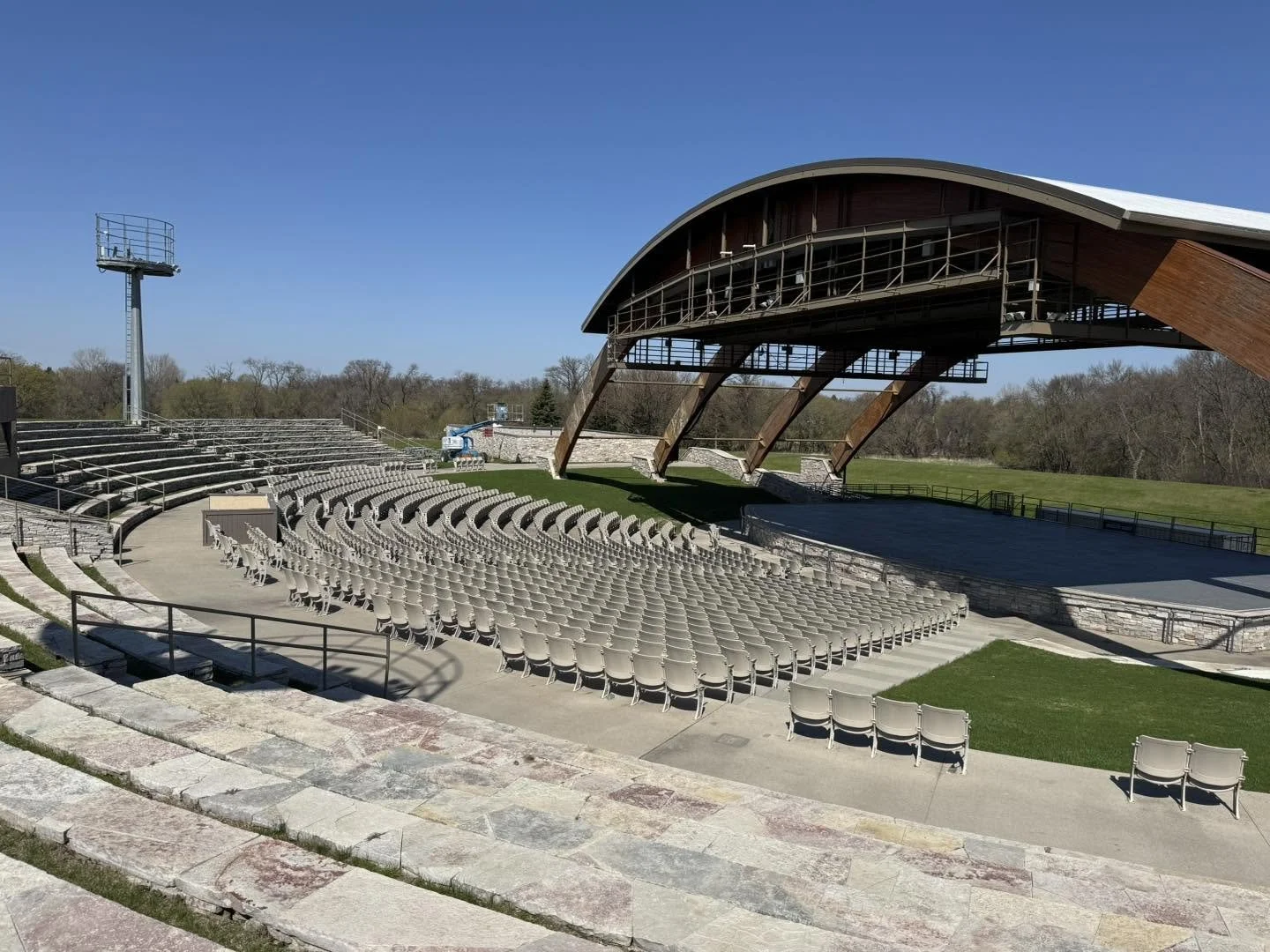
The 3,000-seat Bluestem Amphitheater has hosted some big names over the years, including Weezer, the Goo Goo Dolls, and The Beach Boys. It's one of the premier outdoor entertainment venues in the Fargo-Moorhead region!
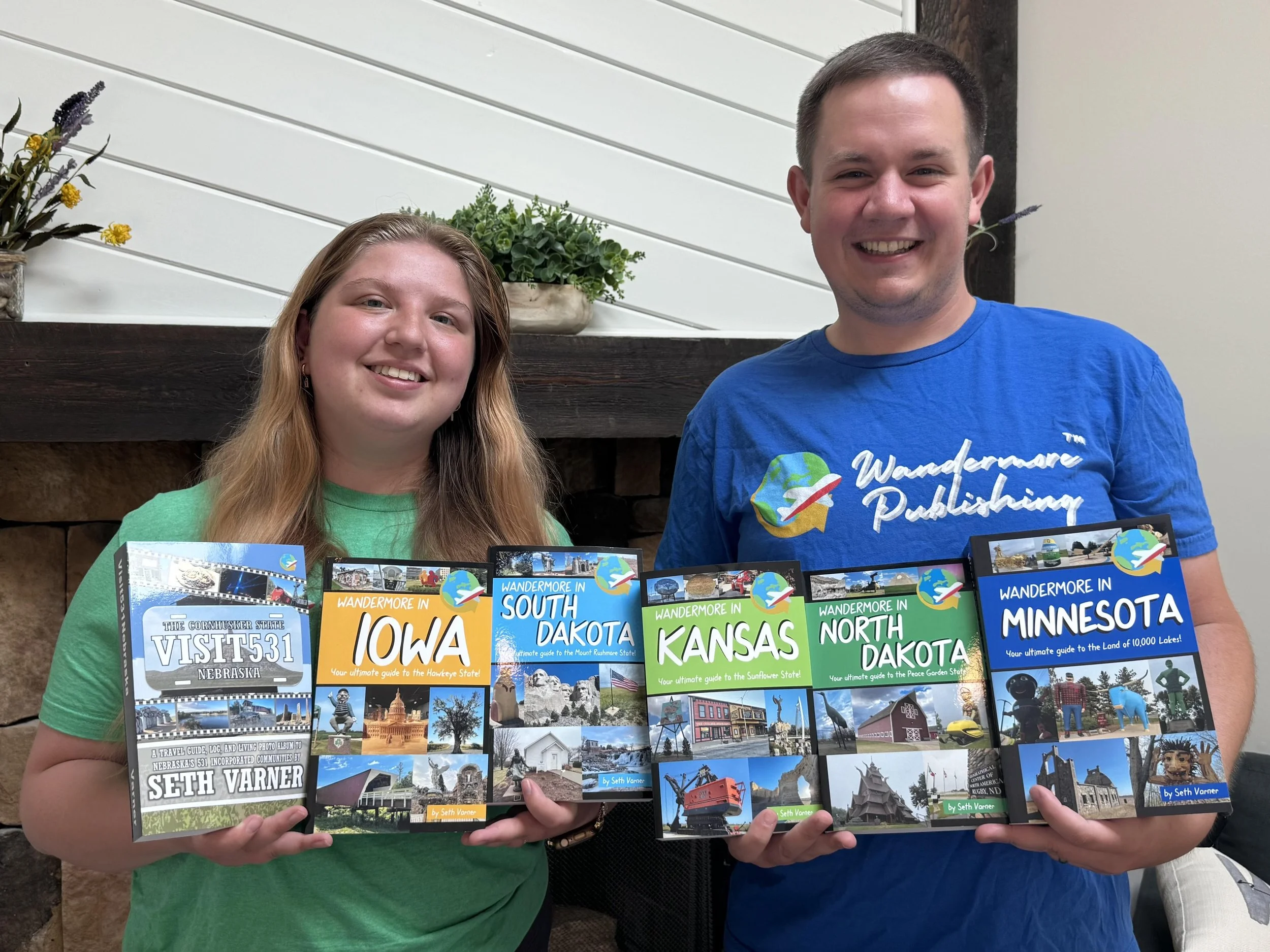
Enjoy learning about Minnesota’s communities? Follow Wandermore in Minnesota on Facebook for more small-town stories, local history, hidden gems, and travel inspiration from across the Land of 10,000 Lakes. We're on a mission to explore and document all 856 incorporated communities in Minnesota—one town at a time. Join thousands of fellow travelers and history enthusiasts as we wander more through Minnesota together!
If you'd like to dive even deeper into Minnesota’s towns and history, be sure to check out Wandermore in Minnesota,
our pictorial and historical travel guide featuring all 856 municipalities in the state. Whether you're planning your next road trip or simply enjoy discovering Minnesota’s hidden stories, it's the perfect companion for your journey.

From Scandinavian pioneers and English colonists to railroad expansion and Viking ship construction, Hawley's story is one of perseverance, reinvention, and an enduring connection to its immigrant roots.