
Hawley, Minnesota: The Town of Many Names and the Birthplace of the Hjemkomst
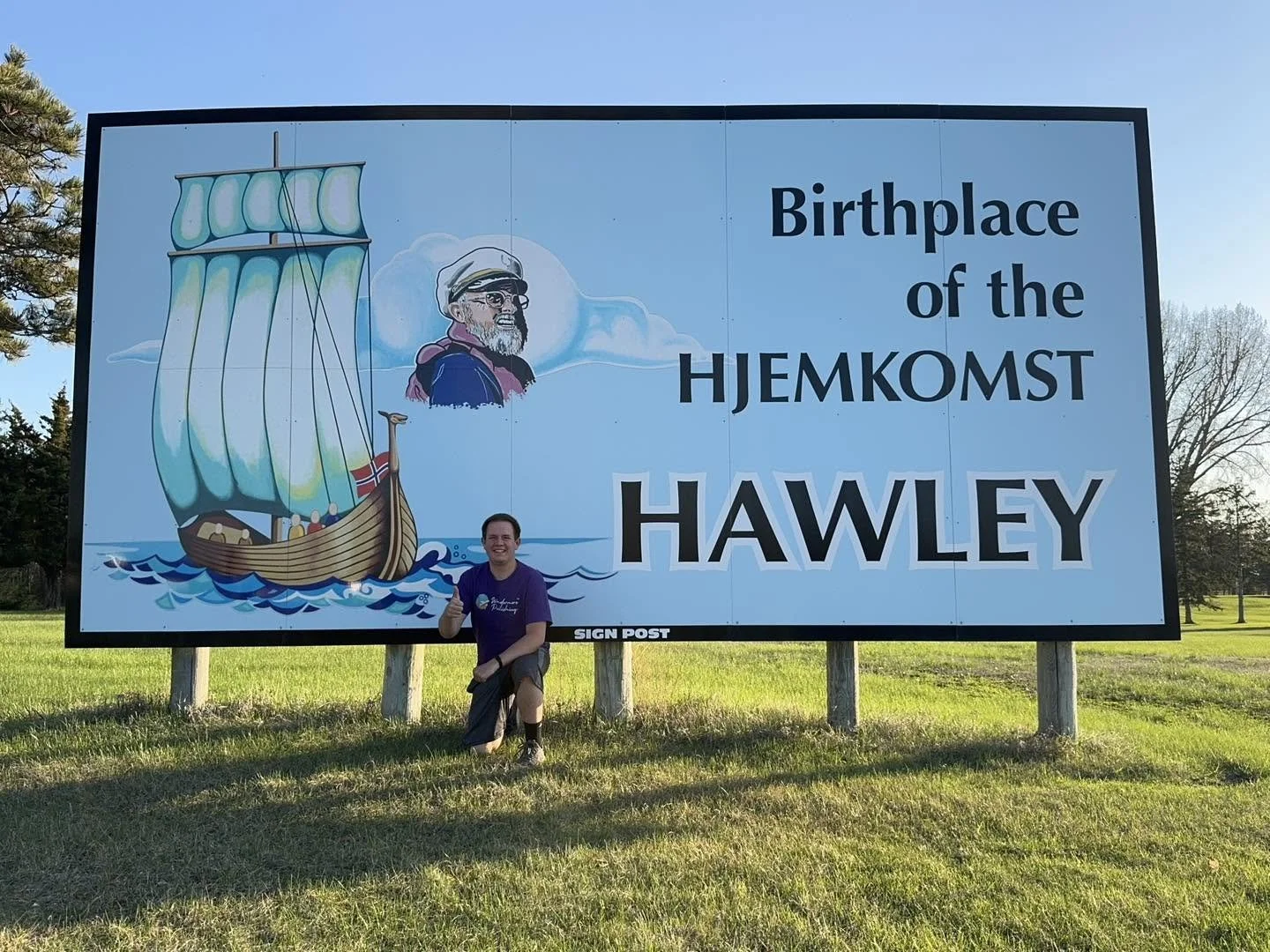
In a small western Minnesota town, local dreamer Robert Asp built a replica Viking ship that would eventually sail all the way to Norway. Today, Hawley proudly celebrates its role as the birthplace of the legendary Hjemkomst.
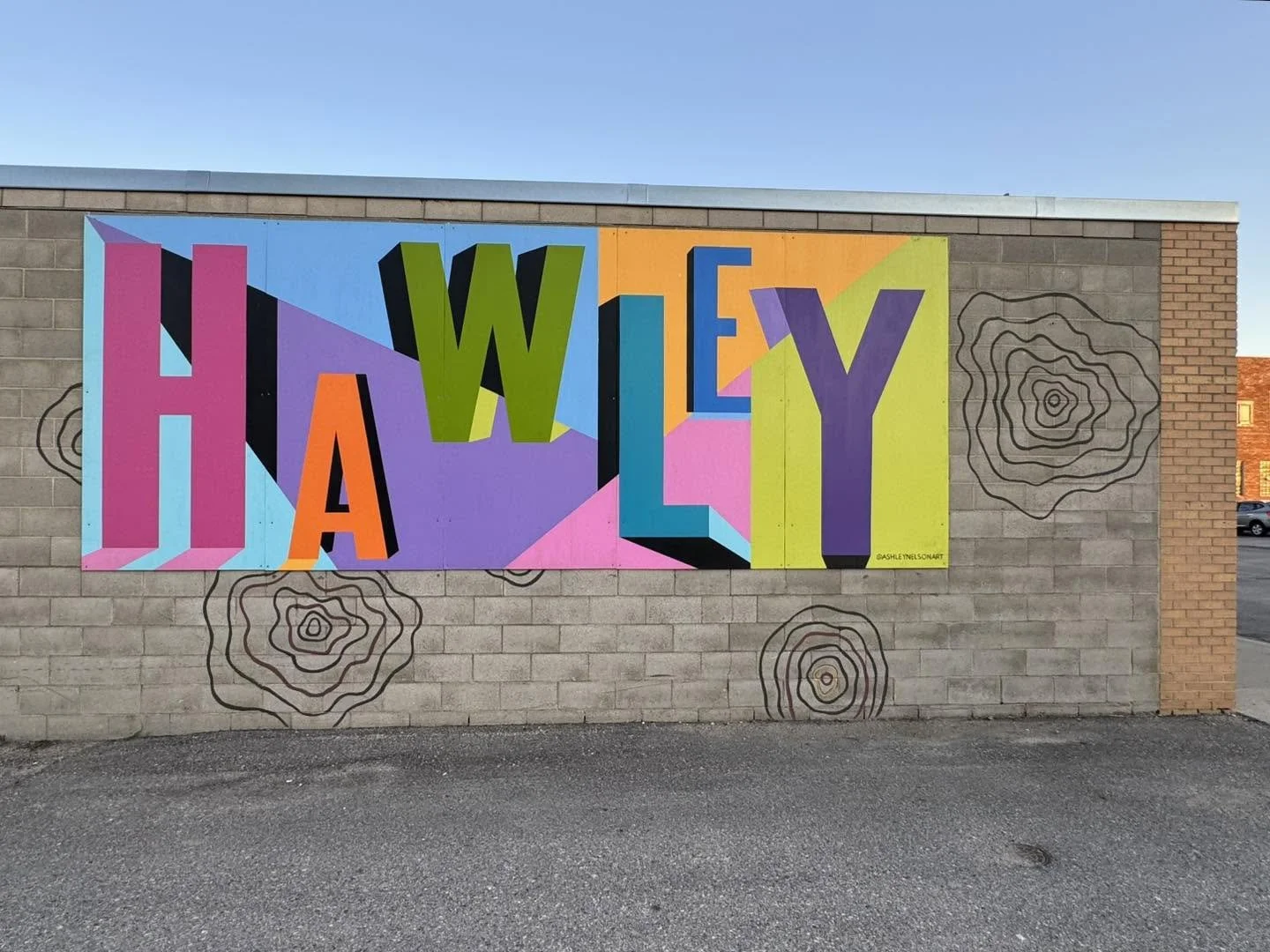
This colorful mural brightens downtown Hawley and serves as a perfect backdrop for visitors learning more about the town’s interesting maritime-related history.
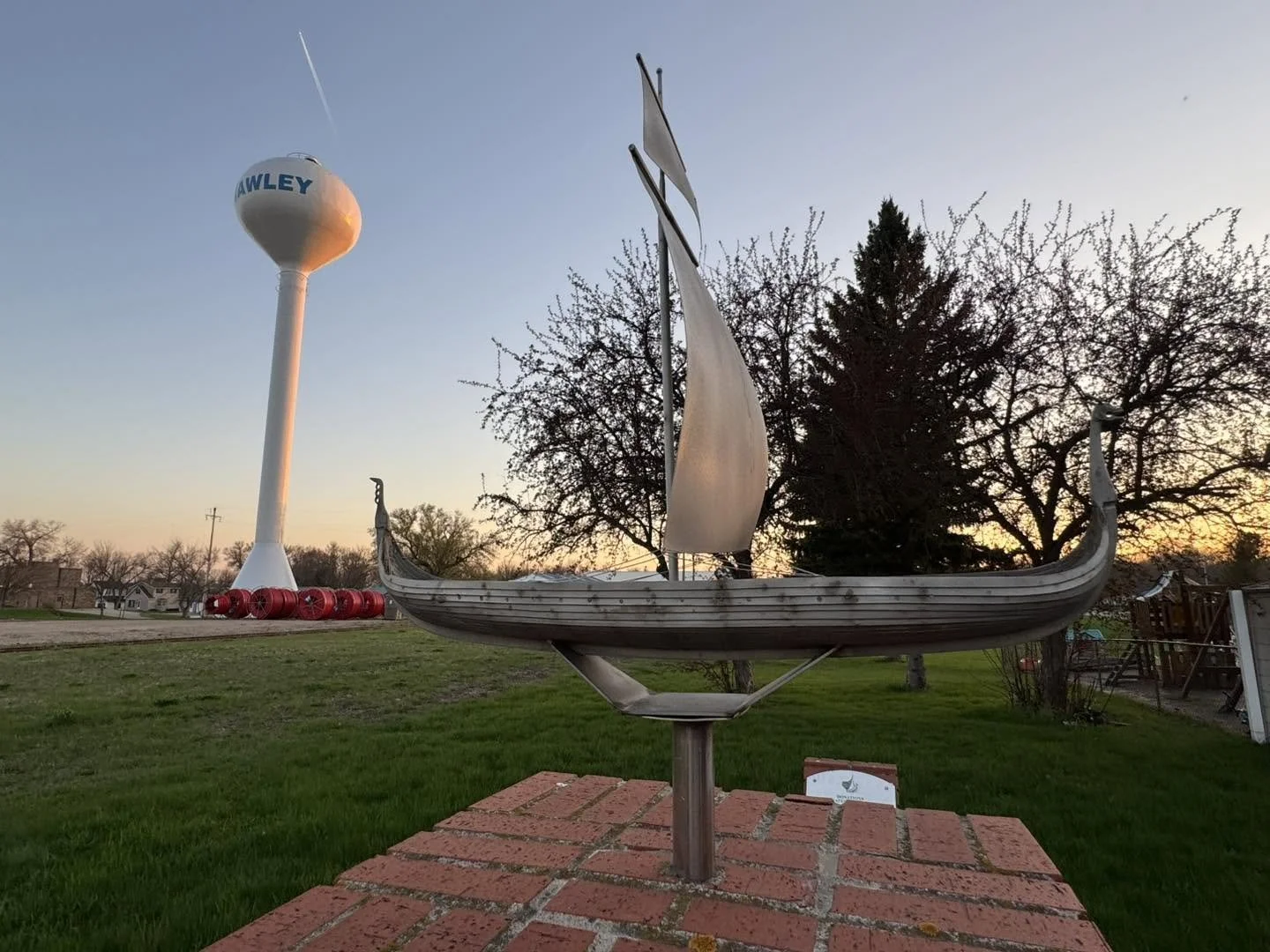
This replica honors the Hjemkomst, the Viking ship built in Hawley that successfully crossed the Atlantic and sailed into Norway, fulfilling Robert Asp's remarkable dream.
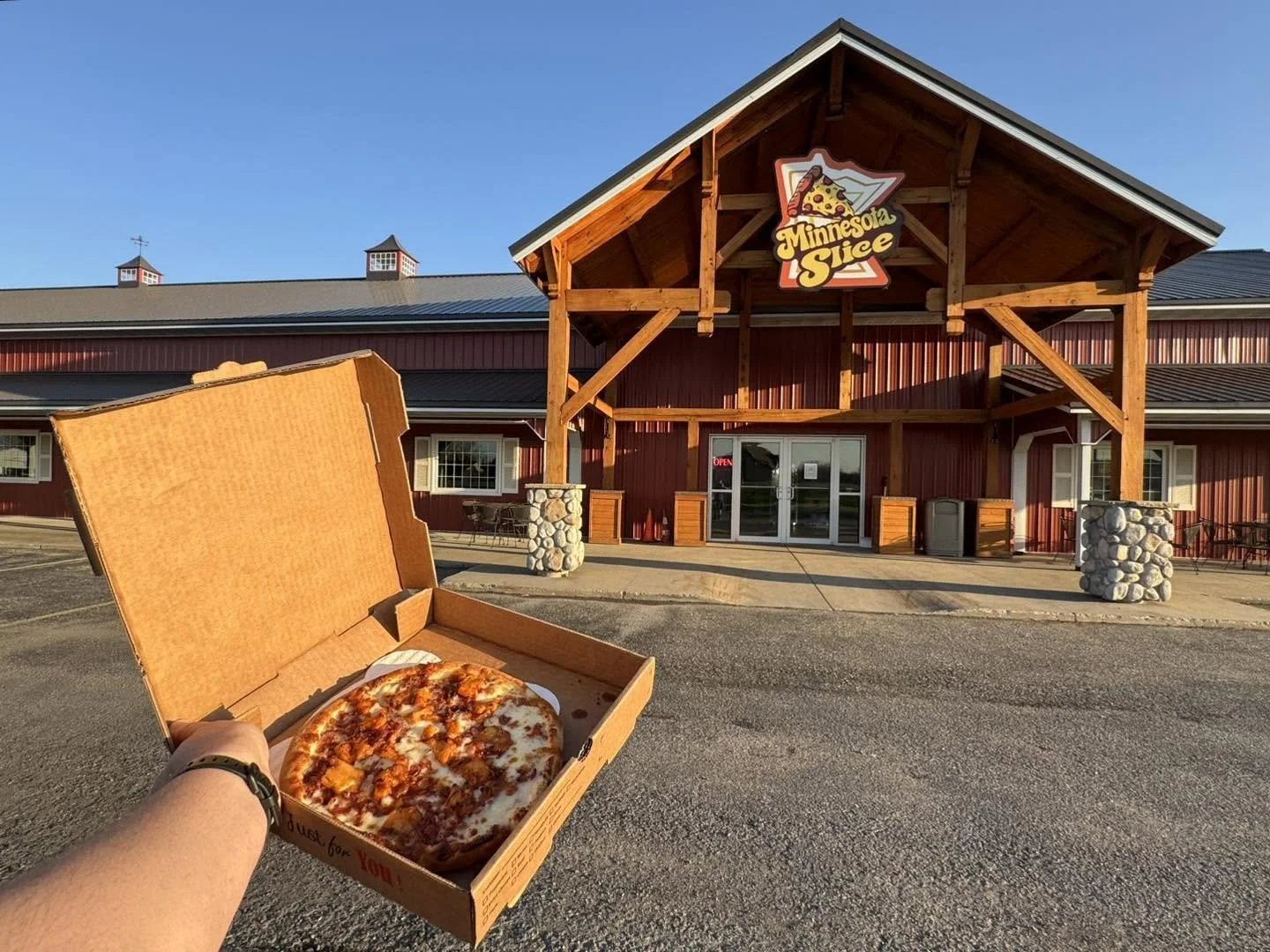
After a day spent exploring Hawley's history and Hjemkomst heritage, Minnesota Slice makes for a delicious stop before hitting the road again. Try the buffalo chicken pizza with a side of ranch, it’s delicious!!
Population: 2,219
County: Clay County
Few communities in Minnesota can claim a history as unique as Hawley's. Located along the Buffalo River in Clay County, this western Minnesota town has worn more names than perhaps any other community in the state before finally settling on the one it carries today. From Scandinavian pioneers and English colonists to railroad expansion and Viking ship construction, Hawley's story is one of perseverance, reinvention, and an enduring connection to its immigrant roots. If you're already visiting the Hjemkomst Center down the road in Moorhead, include Hawley (about 21 miles east) on your road trip!
A Town with Many Names
Long before it became known as Hawley, the settlement cycled through a remarkable number of identities. The community was first established in 1871–72 by Scandinavian settlers and later by a colony from Yeovil, Somerset, England. Over the years, the settlement was known as:
Bethel
New Bethel
Reno's Camp
Buffalo Crossing
Muskoday
Yeovil
New Yeovil
The constant name changes created confusion for surveyors, railroad officials, and prospective settlers attempting to locate and promote the growing community. Eventually, the town adopted the name Hawley in honor of Thomas Hawley Canfield, a surveyor and prominent official with the Northern Pacific Railroad. The new name finally brought consistency to a community that had spent its formative years searching for its identity.
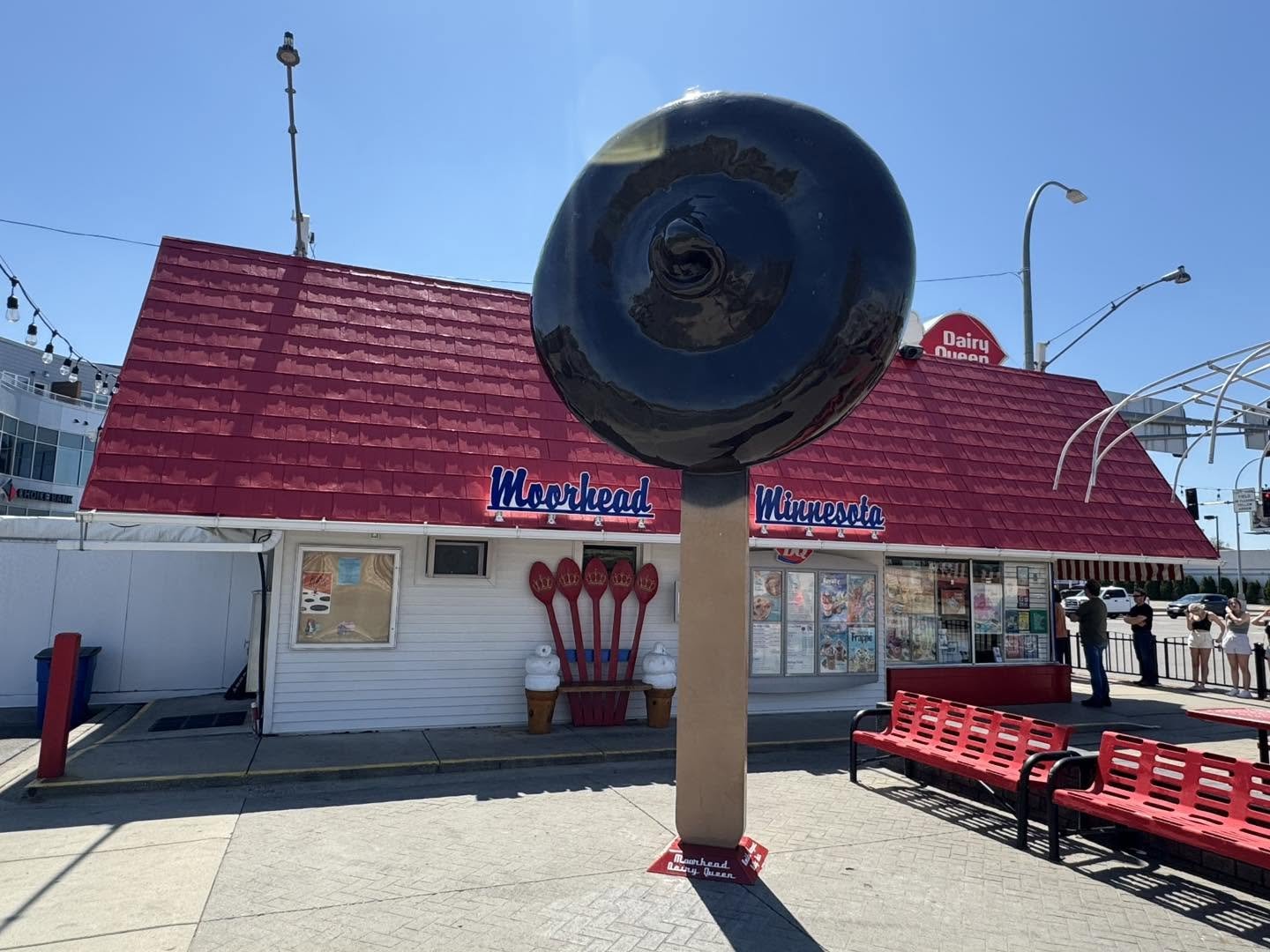
The Yeovil Colony
One of the most fascinating chapters in Hawley's early history involved the arrival of colonists from Yeovil, England. Seeking new opportunities in America, these settlers established what became known as the Yeovil Colony. Unfortunately, many quickly discovered that frontier life on the Minnesota prairie was far more challenging than anticipated.
A devastating blizzard, limited opportunities for skilled merchants and artisans, and the economic downturn caused by the Panic of 1873 all combined to make life difficult. The financial crisis temporarily halted construction of the Northern Pacific Railroad, slowing regional development and prompting many members of the colony to relocate elsewhere. Despite these setbacks, enough settlers remained to ensure the community's survival and future growth.
Growing Along the Railroad
As the Northern Pacific Railroad continued expanding across the northern plains, Hawley gradually developed into an important agricultural service center. The town's post office opened in 1873, providing a critical connection to the outside world. General stores, blacksmith shops, liveries, and other essential businesses soon followed, helping transform the frontier settlement into a functioning prairie town. As the community matured, churches, schools, grain elevators, and lumber yards became important pillars of local life along the Buffalo River.
Hawley even received a brief visit from one of the most famous military figures of the nineteenth century. In 1876, while traveling west by rail toward the frontier, General George Armstrong Custer stopped in Hawley, a stop that would ultimately lead to his fate at the Battle of the Little Bighorn.
The Birthplace of the Hjemkomst
Although Hawley played an important role in western Minnesota's settlement history, its most famous contribution arrived nearly a century later.
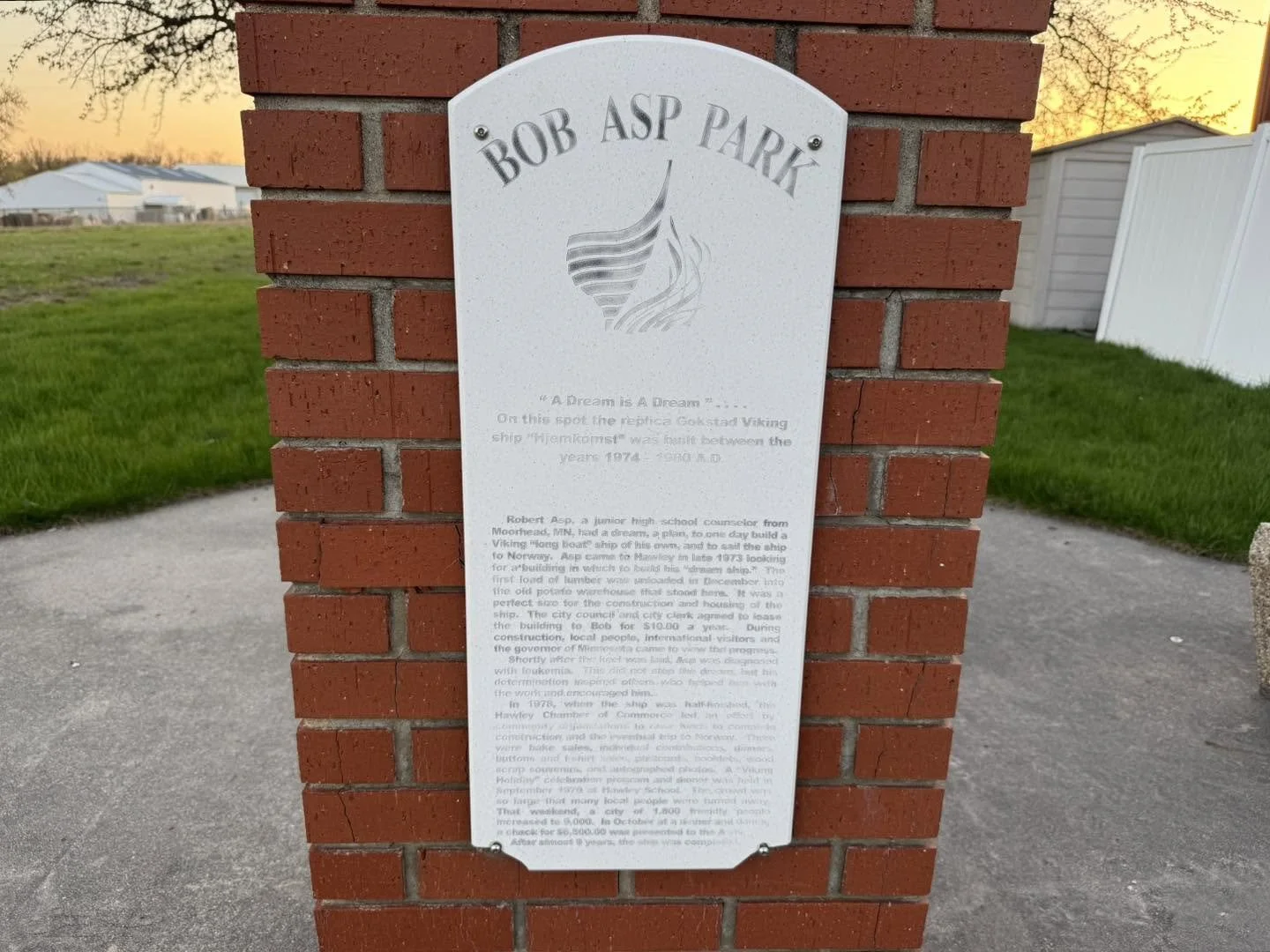
This monument marks the site where Robert Asp's vision became reality. What started as a local passion project inside a Hawley warehouse eventually became one of Minnesota's most famous cultural and maritime achievements.
In the early 1970s, local Viking enthusiast and Moorhead Junior High School counselor Robert Asp began constructing a full-scale replica of a Viking ship inside the Leslie Welter Potato Warehouse in Hawley.
Known as the Hjemkomst, meaning "homecoming" in Norwegian, the vessel was modeled after the historic Gokstad ship, a Viking ship dating to approximately 950 A.D. that was unearthed in Norway. The project was ambitious, requiring years of labor, fundraising, and community support. When Asp was diagnosed with leukemia, the future of the project appeared uncertain. Rather than allowing the dream to fade away, members of the Hawley Chamber of Commerce and residents rallied around the effort, helping secure funding and volunteer support to complete the ship. Spoiler alert: their hard work and dedication paid off!
A Voyage Across the Atlantic
On July 17, 1980, thousands gathered in Hawley to witness the public unveiling of the completed Hjemkomst. The ship was transported to Duluth, where it began its maiden voyage across Lake Superior before continuing through the Great Lakes and eventually reaching New York City.
Following Robert Asp's death, his children carried forward his vision by organizing a transatlantic voyage to Norway, which was a wild success. Upon arriving in Norway, the crew received a royal welcome, and the King of Norway himself boarded the vessel to celebrate the achievement. Today, the Hjemkomst sits on display at its namesake Hjemkomst Center in Moorhead. It is one of Minnesota's most beloved cultural artifacts and a lasting tribute to both Norwegian heritage and the determination of the Hawley community that helped make the dream a reality.
A Lasting Legacy
While many travelers know Hawley simply as a small town along Interstate 94 between Fargo and Detroit Lakes, its history is far richer than its size might suggest. From surviving economic downturns and harsh prairie winters to becoming the birthplace of one of Minnesota's most famous cultural icons, Hawley has continually demonstrated resilience and community spirit.
The Hjemkomst may now reside at the Heritage Hjemkomst Interpretive Center in nearby Moorhead. Still, its story—and the story of the people who helped build it—will forever remain tied to Hawley, Minnesota. Be sure to visit Bob Asp Park to see a small replica of Bob's ship as you tour the town made famous by its Viking ship!
These photos of Hawley were primarily taken on May 6, 2025. Towns are dynamic places that change constantly; some locations may look different today than they did yesterday. Not every business, landmark, or point of interest is pictured. We hope you enjoy the photos and encourage you to share your own memories, stories, and experiences in the comments.
Learn more about Clay County and Hawley, Minnesota, by picking up a Fargo-Moorhead visitor’s guide here. Explore Minnesota’s full state guide is available here.
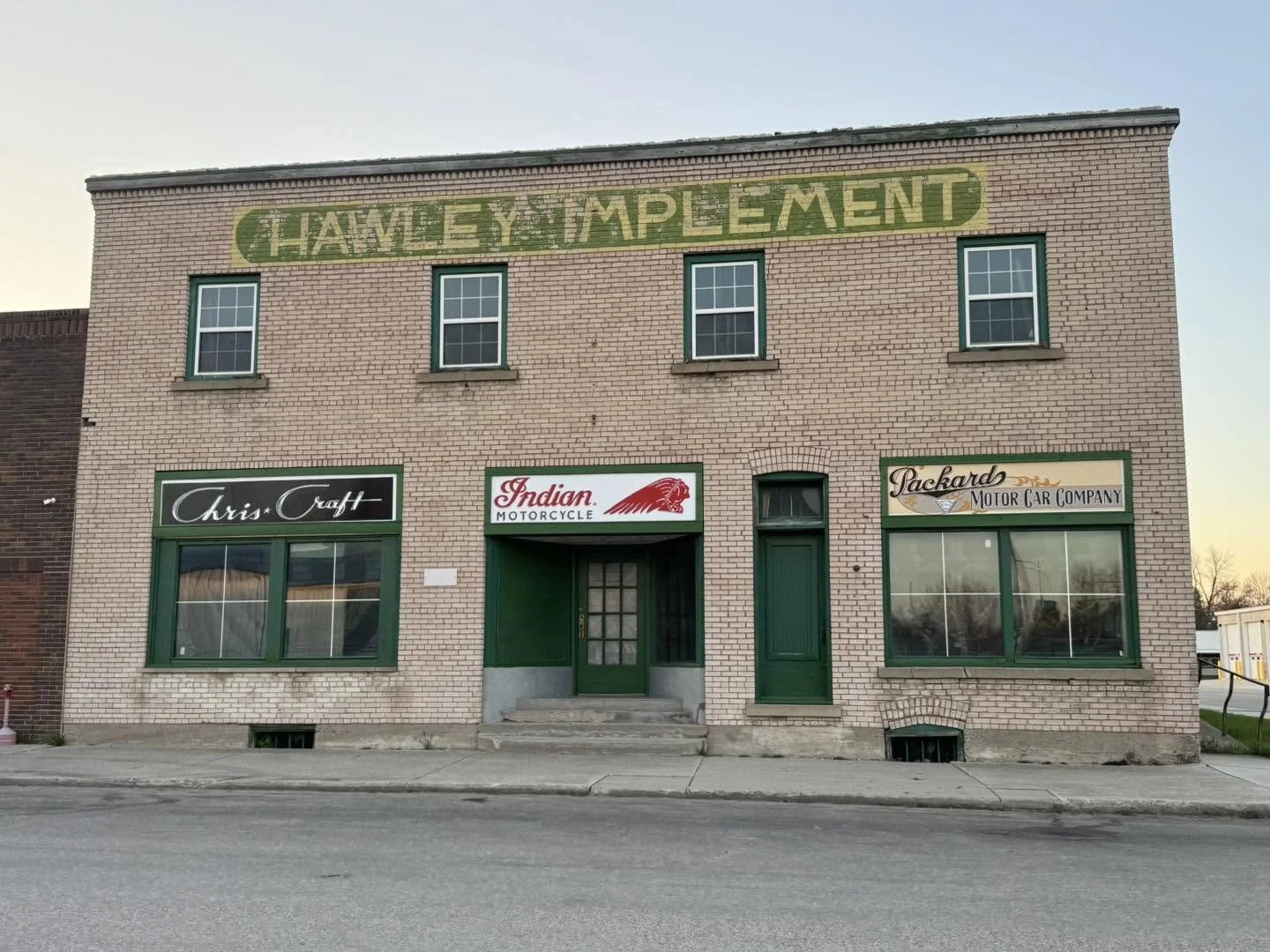
Buildings like this helped define Hawley during its early years as a railroad and farming community. The faded "Hawley Implement" sign serves as a reminder of the businesses that supported generations of Buffalo River farmers.
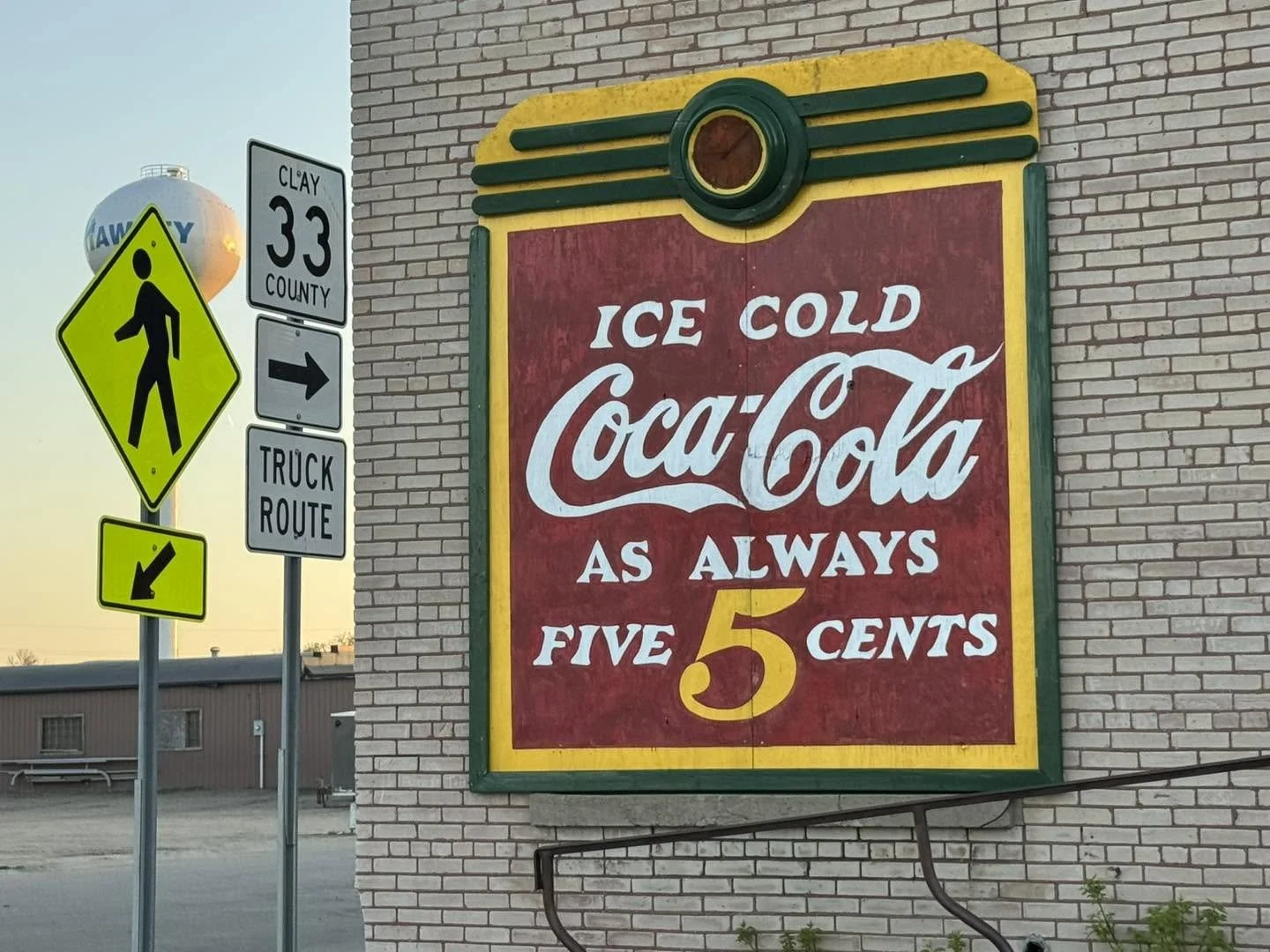
Vintage advertising still adds character to Hawley's downtown streetscape. This nostalgic Coca-Cola mural offers a fun throwback to a simpler era of American small-town life.
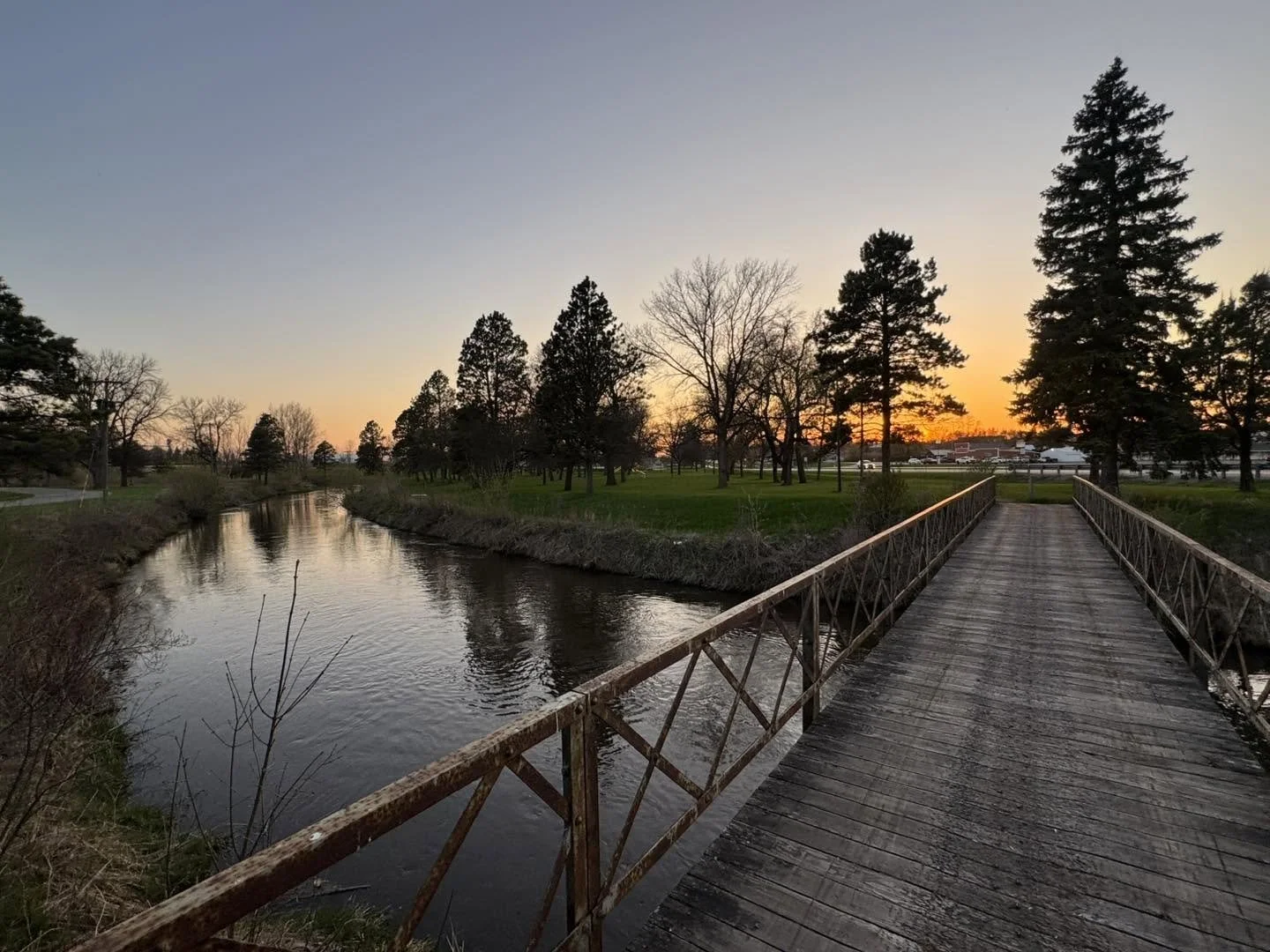
The Buffalo River has shaped Hawley's story since its earliest days. Today, peaceful trails, bridges, and scenic views at the Hawley Golf Club make it one of the community's most relaxing places to unwind.
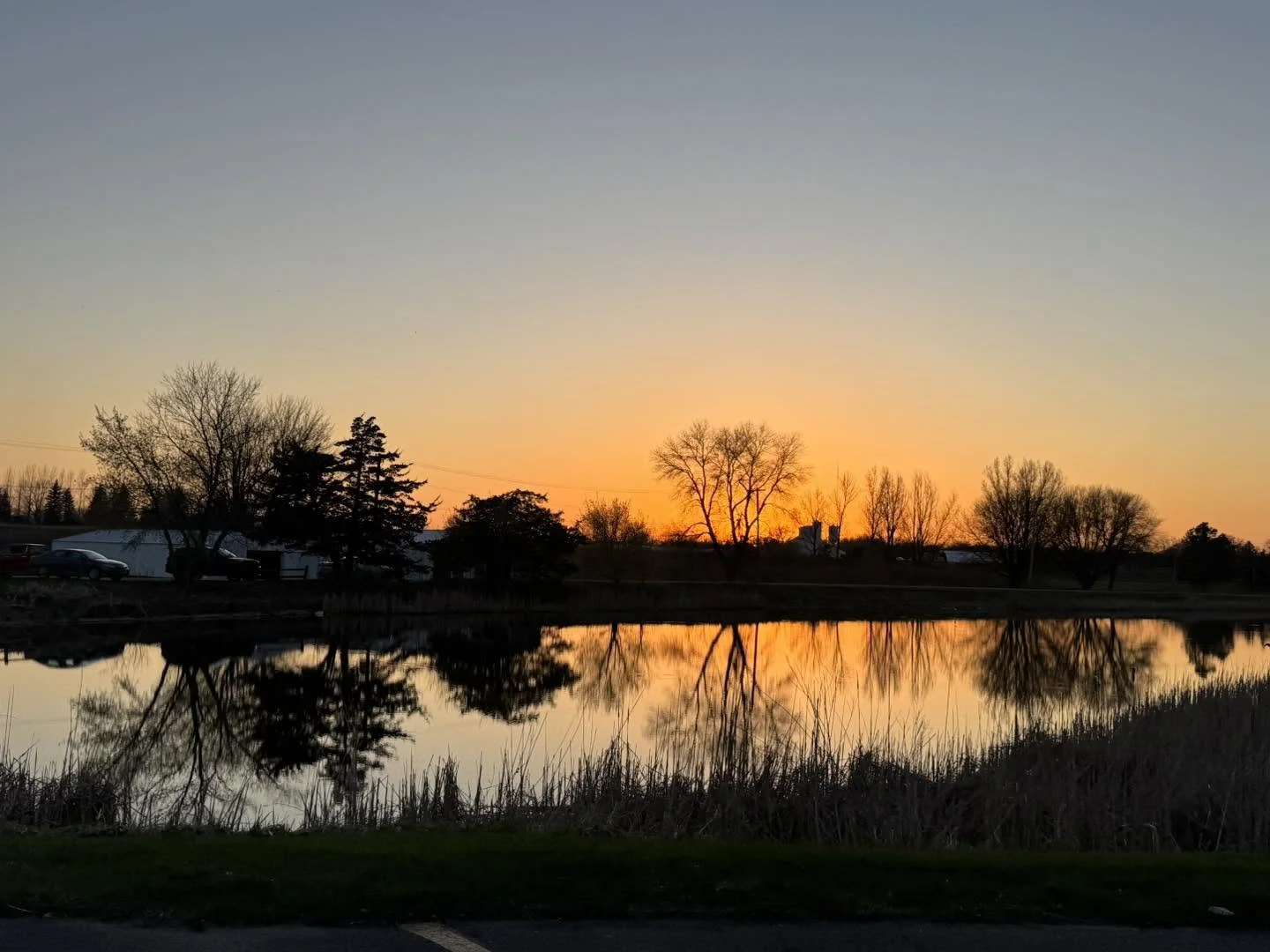
As a Minnesota sun dips below the horizon, calm waters and orange skies provide a fitting backdrop for a town whose history stretches from English colonists and railroad pioneers to Viking ships and transatlantic adventures.
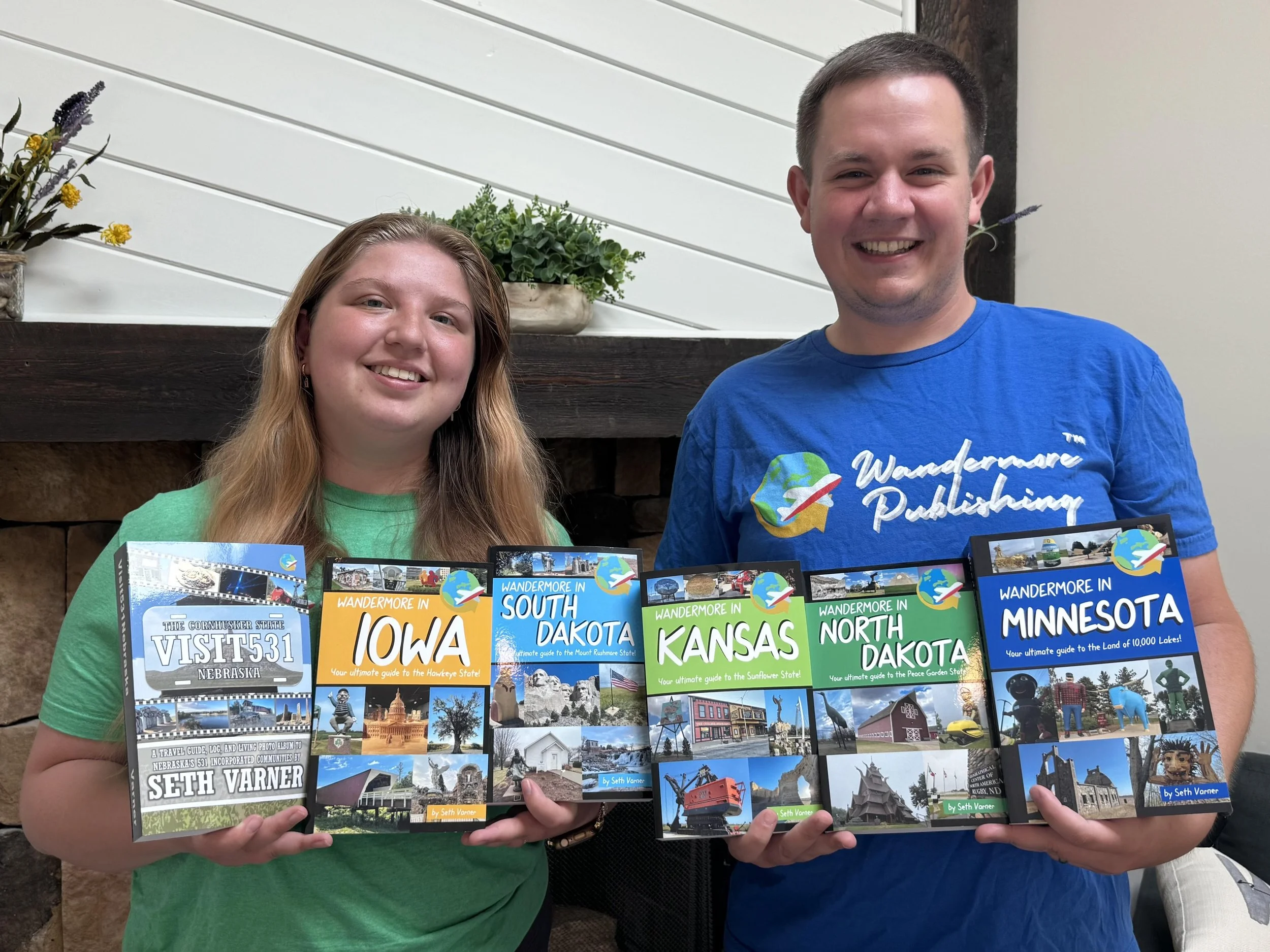
Enjoy learning about Minnesota’s communities? Follow Wandermore in Minnesota on Facebook for more small-town stories, local history, hidden gems, and travel inspiration from across the Land of 10,000 Lakes. We're on a mission to explore and document all 856 incorporated communities in Minnesota—one town at a time. Join thousands of fellow travelers and history enthusiasts as we wander more through Minnesota together!
If you'd like to dive even deeper into Minnesota’s towns and history, be sure to check out Wandermore in Minnesota,
our pictorial and historical travel guide featuring all 856 municipalities in the state. Whether you're planning your next road trip or simply enjoy discovering Minnesota’s hidden stories, it's the perfect companion for your journey.

From Scandinavian pioneers and English colonists to railroad expansion and Viking ship construction, Hawley's story is one of perseverance, reinvention, and an enduring connection to its immigrant roots.