
Fargo, North Dakota: From Frontier Railroad Town to the Heart of the Red River Valley
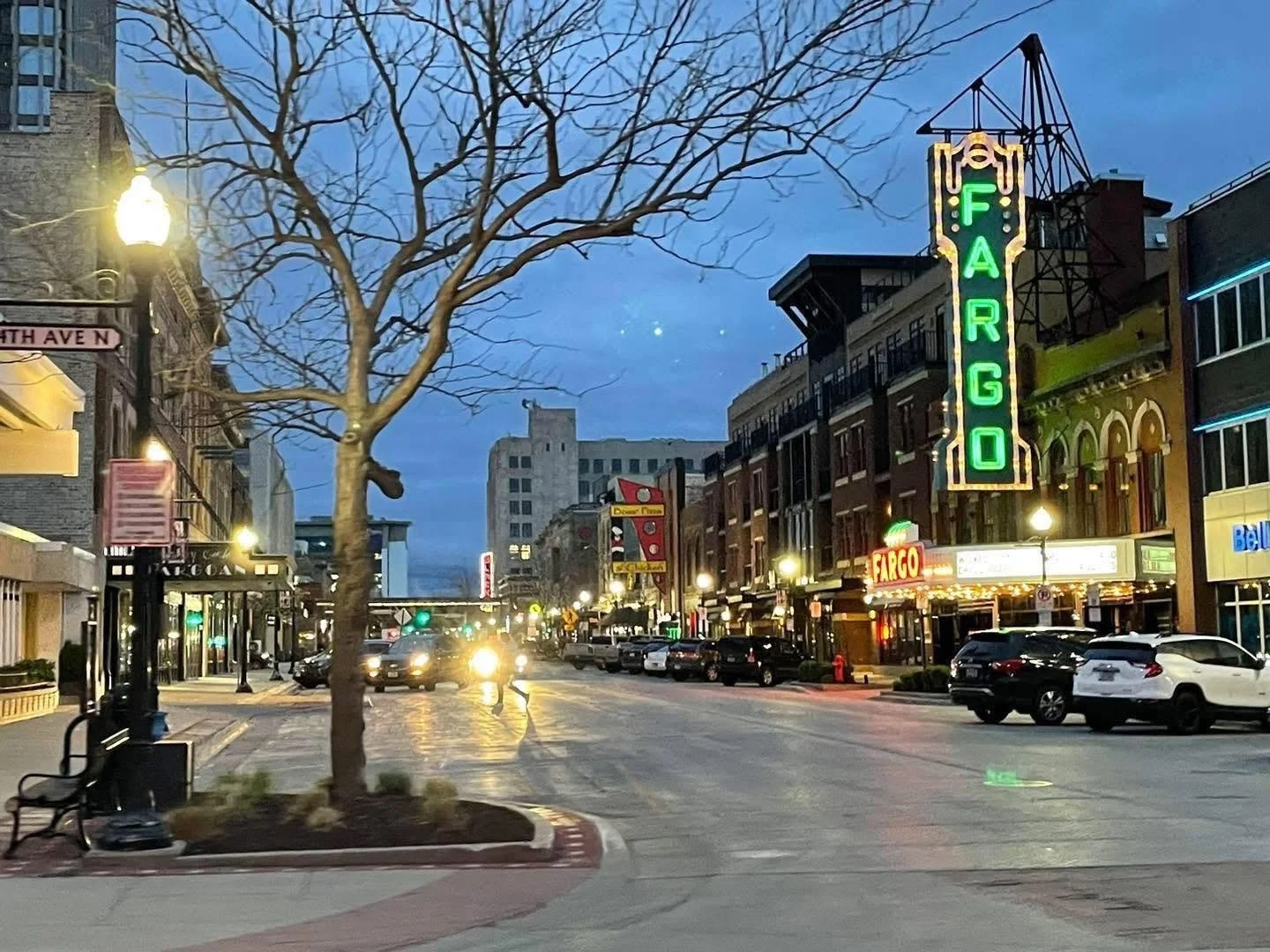
Downtown Fargo is a sight to behold when the sun sets. It’s hard to miss the historic marquee on the Fargo Theater!
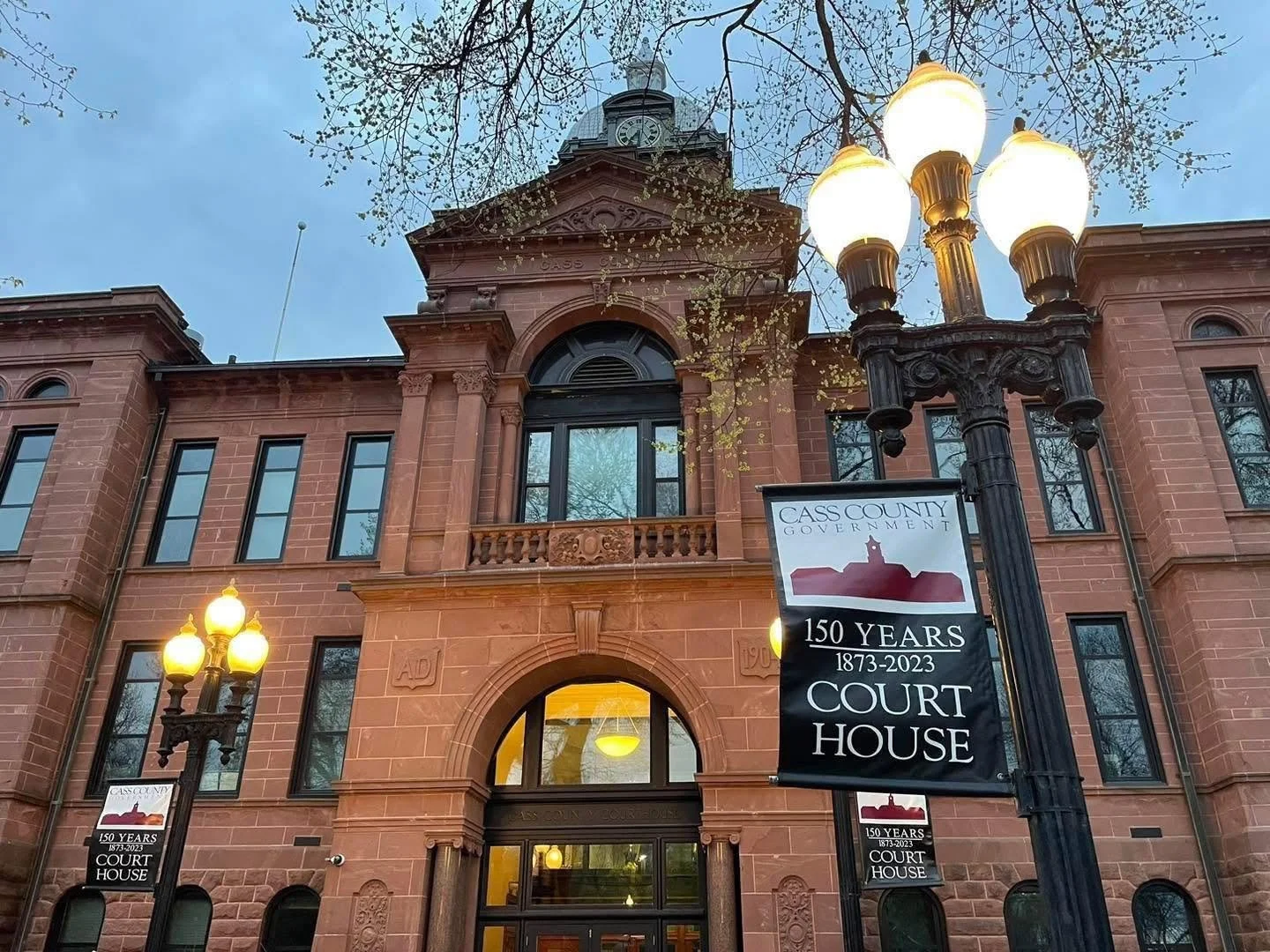
The Cass County Courthouse has stood as a symbol of justice and local government in downtown Fargo for over 150 years.
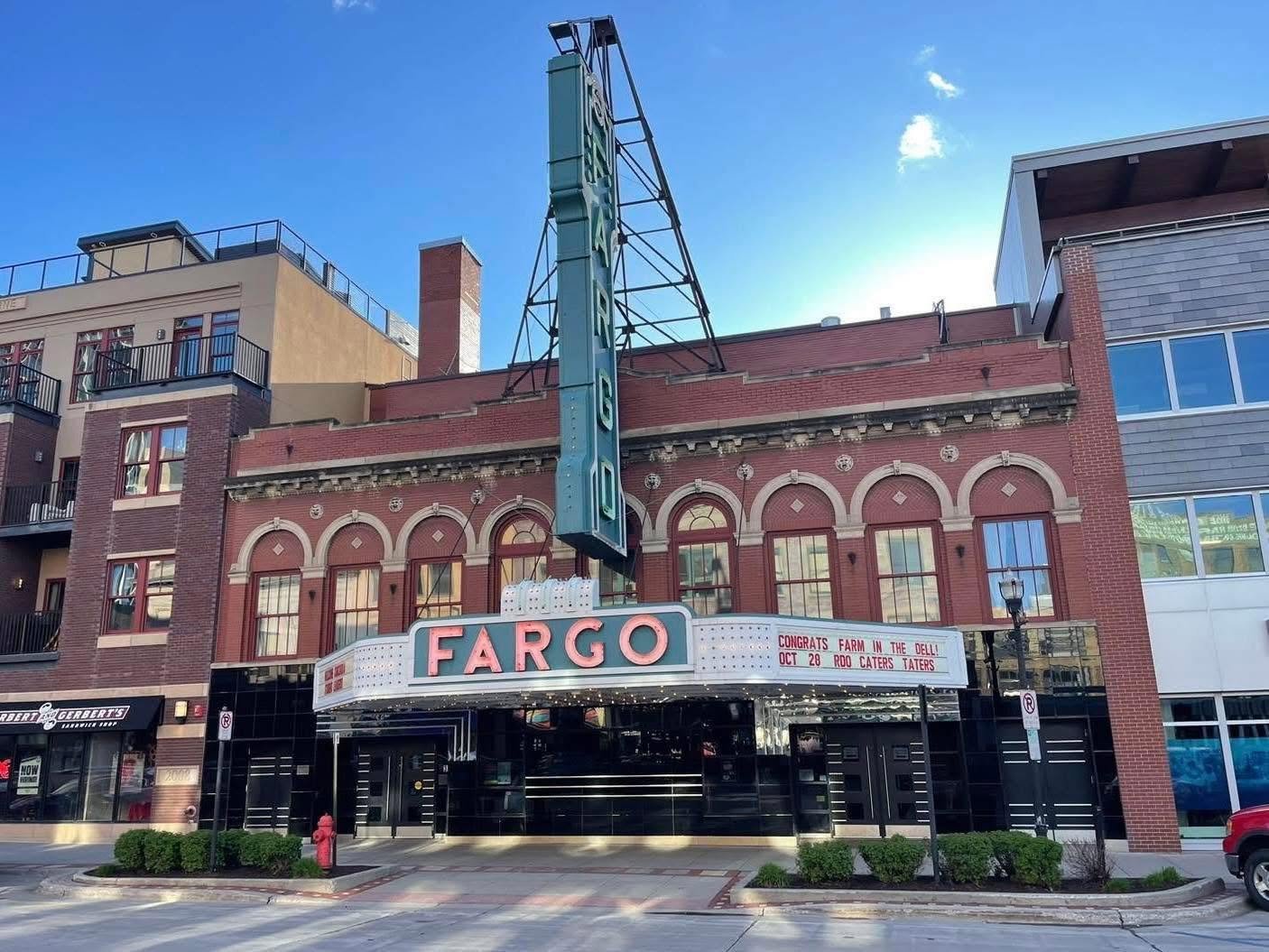
Since 1926, the Fargo Theatre has illuminated downtown Fargo with its iconic marquee and rich history!
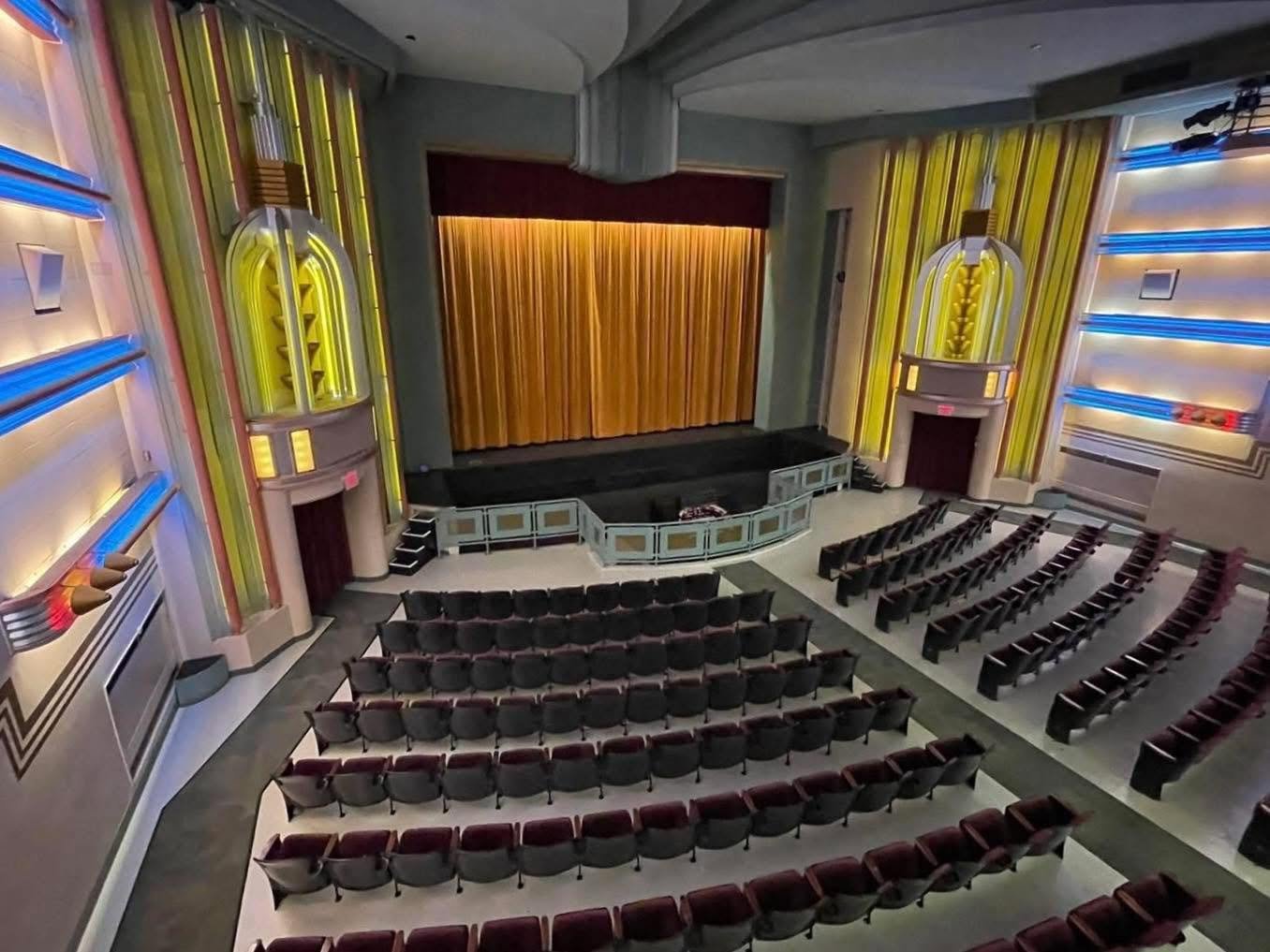
Step inside the Fargo Theatre and discover one of North Dakota’s most treasured historic venues.
Population: 125,990
County: Cass County (County Seat)
As North Dakota's largest city and one of the most influential communities in the Upper Midwest, Fargo has come a long way from its humble beginnings as a frontier settlement along the Red River of the North. Today, Fargo serves as North Dakota's cultural, educational, economic, and transportation hub. Yet its story began with just a handful of pioneers searching for the future route of the Northern Pacific Railroad.
The Birth of Fargo
In April 1871, Jacob Lowell Jr. became the first permanent resident of the area that would eventually become Fargo. Alongside Henry S. Back and Andrew McHench, he explored the lands between the Wild Rice and Elm Rivers, hoping to predict where the Northern Pacific Railroad's proposed transcontinental line would cross the region.
When Cass County was organized in 1873, a townsite was platted, and a post office was established under the name Centralia. George J. Keeney served as its first postmaster. The name never gained much traction, however, and was soon changed to Fargo in honor of William G. Fargo, a director of the Northern Pacific Railroad and co-founder of the financial services giant Wells Fargo & Company.
During the railroad era, two rival settlements emerged. One, known as "Fargo on the Prairie," housed Northern Pacific engineers and was considered orderly and family-friendly. The other, "Fargo in the Timber," was a rough settlement of squatters living in riverbank dugouts. The area gained a reputation for theft and lawlessness before authorities ultimately dismantled it as railroad construction progressed.
A Boomtown on the Prairie
The arrival of the railroad depot in 1874 transformed Fargo almost overnight.
Population growth was rapid:
2,693 residents in 1880
5,664 residents in 1890
9,589 residents in 1900
14,331 residents in 1910
Hundreds of businesses opened as Fargo became North Dakota's leading center of commerce, industry, and culture. The city even earned an unusual reputation as the "Divorce Capital of the Midwest" thanks to a state law allowing divorces after just 90 days of residency, which attracted wealthy individuals from around the country.
Fire, Flood, and Rebuilding
Disaster struck on June 7, 1893, when a massive fire destroyed 31 blocks of Fargo's business district. While devastating, the fire provided an opportunity to modernize the city. Streets, water systems, and sewer infrastructure were improved, and many replacement buildings were constructed from brick rather than wood. Several of those structures still stand today.
Just four years later, the Red River flooded, washing away sidewalks, boardwalks, and portions of the business district. Once again, Fargo rebuilt and emerged stronger.
North Dakota State University
One institution spared from these early disasters was the North Dakota Agricultural College, established by the state legislature in 1890.
In 1910, former U.S. President Theodore Roosevelt visited Fargo to lay the cornerstone of the college library and deliver a speech to an estimated crowd of 30,000 people.
Renamed North Dakota State University (NDSU) in 1960, the institution has become one of the state's most important employers and educational centers. Its endowment now approaches half a billion dollars.
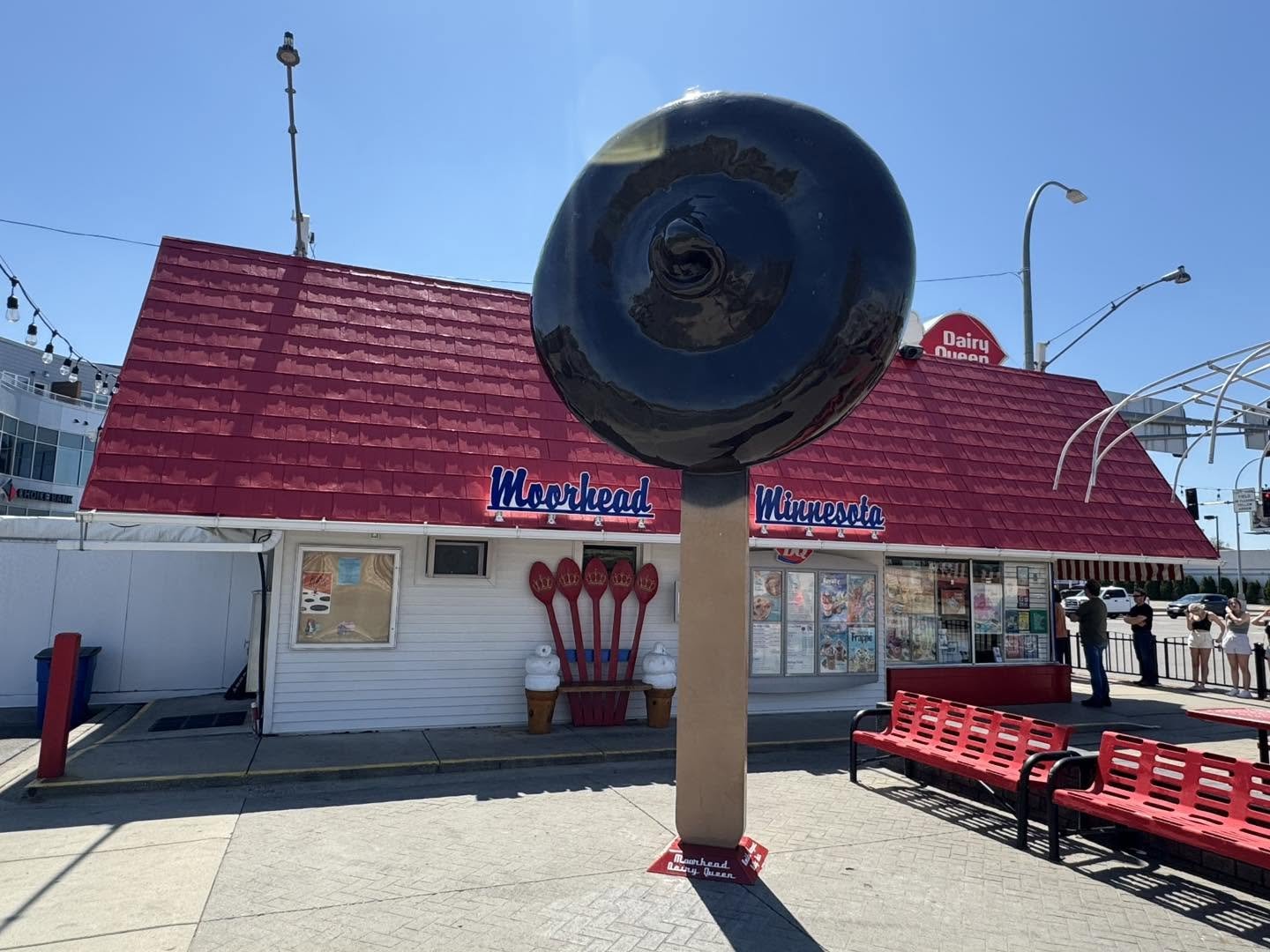
NDSU is perhaps best known nationally for its athletic success.
The Bison football program has claimed 17 national championships, including nine NCAA Division I FCS titles since 2011. The women's basketball program also achieved legendary status with five national championships, including four consecutive Division II titles from 1993 to 1996.
Fargo in the Early 20th Century
By 1920, Fargo had developed into one of the most impressive cities in the region.
The city boasted:
Nearly 30 churches
Two major hospitals
A federal building
A substantial YMCA
A prominent courthouse
The fourth-largest Masonic Temple in the United States
Higher education flourished as well. Fargo was once home to Fargo College, Sacred Heart Academy, a Lutheran seminary, business schools, and music conservatories. Healthcare became a major industry through institutions such as St. Luke's Hospital, which eventually helped pave the way for today's Sanford Health system.
Manufacturing and Industry
Fargo's economy extended far beyond agriculture.
During the early twentieth century, more than 50 manufacturing plants operated within the city. Notable industries included:
Harness and horse-collar manufacturing
American Steel & Wire Company
Manchester Biscuit Company
Standard Oil Company
Marshall Oil Company
Ford Motor Company's regional assembly plant (1917–1956)
The Pence Automobile Company was especially significant, distributing nearly 29 percent of all Buick automobiles at one point.
Thanks to its rail connections and strategic location within the fertile Red River Valley, Fargo became the nation's third-largest distribution center for farm machinery by 1919.
Railroads and Transportation
Several major railroads converged in Fargo during the early twentieth century:
Northern Pacific Railroad
Great Northern Railway
Chicago, Milwaukee & St. Paul Railway (Fargo Southern)
Moorhead & Northern Railroad
These lines helped cement Fargo's role as North Dakota's transportation hub and contributed significantly to its growth.
The Tornado That Changed Meteorology
On June 20, 1957, Fargo experienced one of the most significant weather events in American history.
An F5 tornado ripped through portions of the city, causing damage equivalent to approximately $281 million in today's dollars.
The event became especially important to meteorological science. Researcher Ted Fujita studied photographs taken during the storm and used them to develop what would become the Fujita Scale, the internationally recognized system for measuring tornado intensity. He also coined the term "wall cloud" after examining images from the Fargo tornado.
Fargo's Landmarks and Attractions
Over the decades, Fargo has developed numerous cultural and historical attractions.
Among the city's most notable landmarks are:
Fargo Theatre
St. Mary's Cathedral
Hector International Airport
Veterans Administration Medical Center
Carnegie Library
Good Samaritan School for Crippled Children
The beautifully restored Fargo Theatre, opened in 1926, remains one of the city's most recognizable landmarks. Its Art Deco design and impressive 4-manual, 32-rank Wurlitzer Theatre Pipe Organ continue to attract visitors from across the region.
The Fargo-Moorhead Symphony Orchestra, founded in 1931, remains one of the Midwest's premier performing arts organizations.
Things to See in Fargo Today
Modern-day Fargo offers a surprising variety of attractions.
Popular destinations include:
Fargo Air Museum
Plains Art Museum
Roger Maris Museum
Maury Wills Museum
Red River Zoo
Scheels Arena
Newman Outdoor Field
Fargo Civic Center
Fargodome
Memorial Union Gallery at NDSU
John E. Carlson Coliseum
Many visitors also recognize the city's name from the 1996 Academy Award-winning film Fargo. Ironically, very little of the movie was actually filmed in Fargo itself.
Notable People with Fargo Connections
Fargo has produced an impressive list of influential figures, including:
Roger Maris, a seven-time MLB All-Star and former single-season home run record holder
Carson Wentz, Super Bowl LII champion quarterback
Joe Burrow, Heisman Trophy winner and NFL quarterback
Ari Shapiro, host of NPR's All Things Considered
Richard Edlund, Academy Award-winning visual effects artist
Virginia Bruce, Hollywood actress
Jonny Lang, Grammy Award-winning musician
Bobby Vee, pop music star with 38 Hot 100 hits
Peter Schickele, creator of the comedic character P.D.Q. Bach
Ed Schultz, nationally known radio and television host
Governors George A. Sinner, Ed Schafer, and Doug Burgum
Fargo Today
From its origins as a railroad outpost on the northern plains to its modern role as North Dakota's largest city, Fargo has consistently reinvented itself through growth, resilience, and innovation.
Whether you're interested in railroad history, architecture, collegiate athletics, aviation, art, or simply exploring one of the Midwest's most dynamic cities, Fargo offers a fascinating glimpse into both North Dakota's past and its future.
These photos of Fargo were primarily taken on May 7, 2024. Towns are dynamic places that change constantly; some locations may look different today than they did yesterday. Not every business, landmark, or point of interest is pictured. We hope you enjoy the photos and encourage you to share your own memories, stories, and experiences in the comments.
Learn more about Fargo, North Dakota, by picking up a visitor’s guide here. North Dakota Tourism’s full state guide is available here.
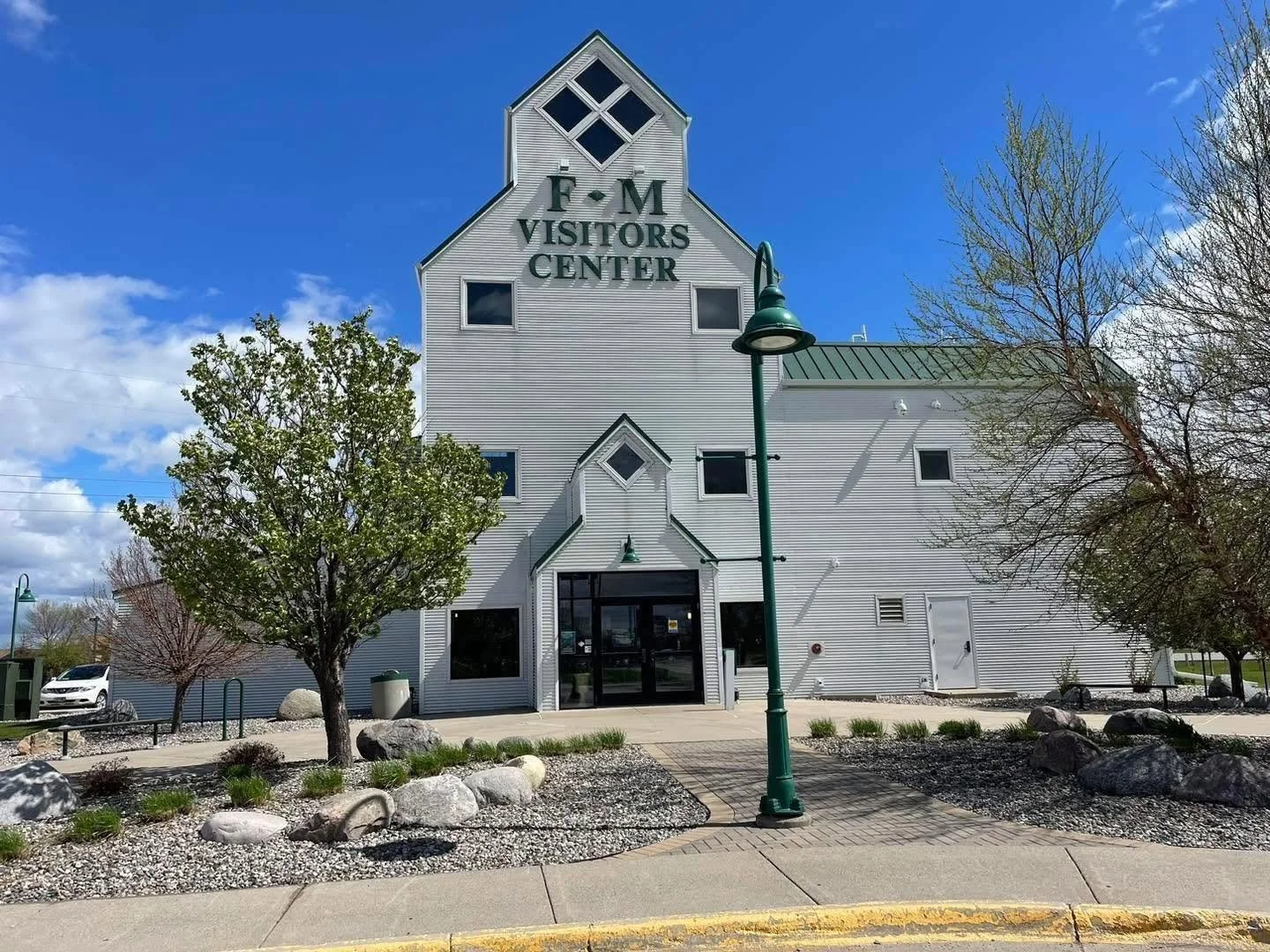
Whether you’re visiting for a day or a week, the Fargo-Moorhead Visitors Center is a great place to begin exploring the region.
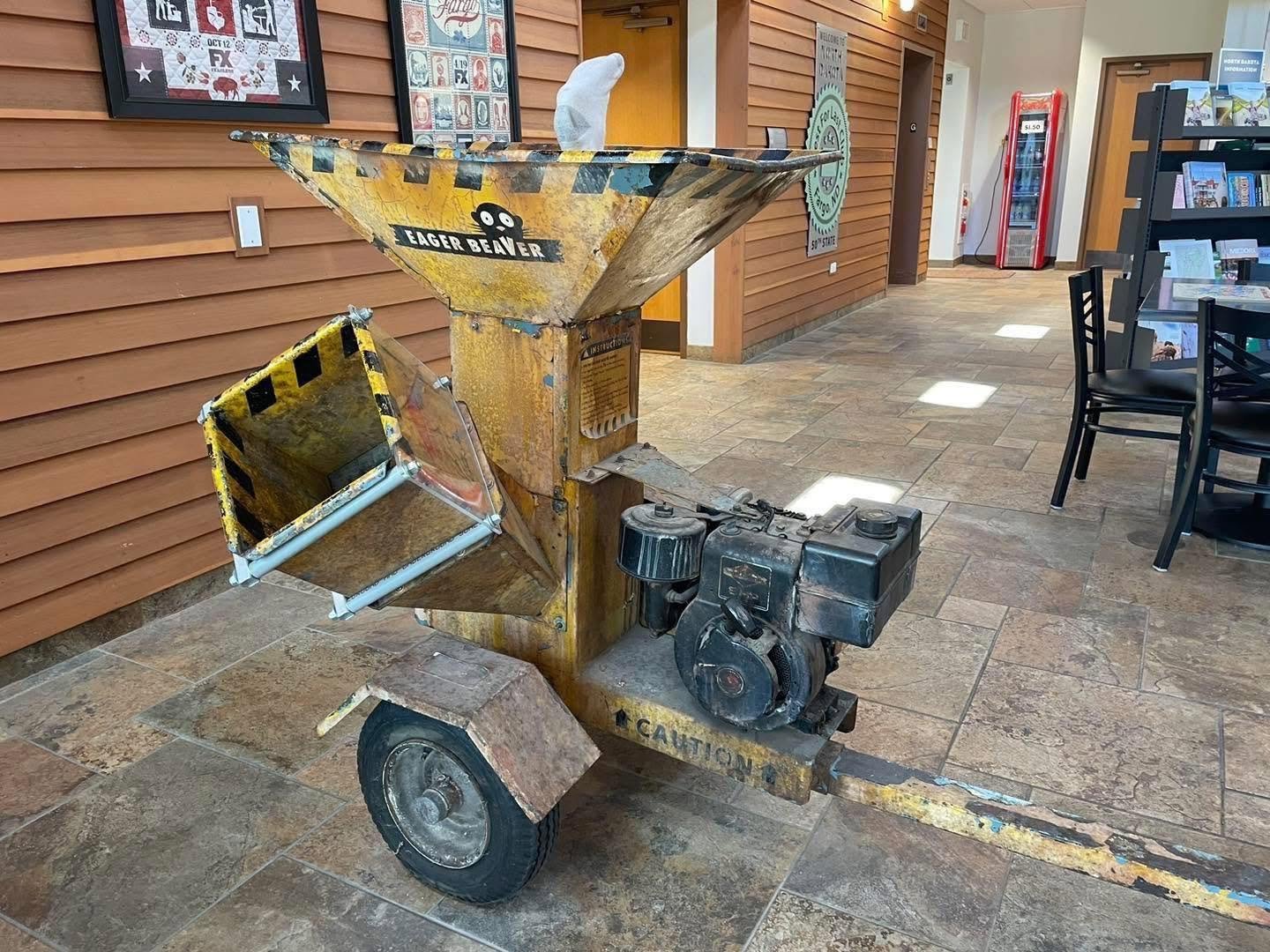
The Fargo-Moorhead Visitors Center is best known for housing the famous woodchipper featured in the movie Fargo!
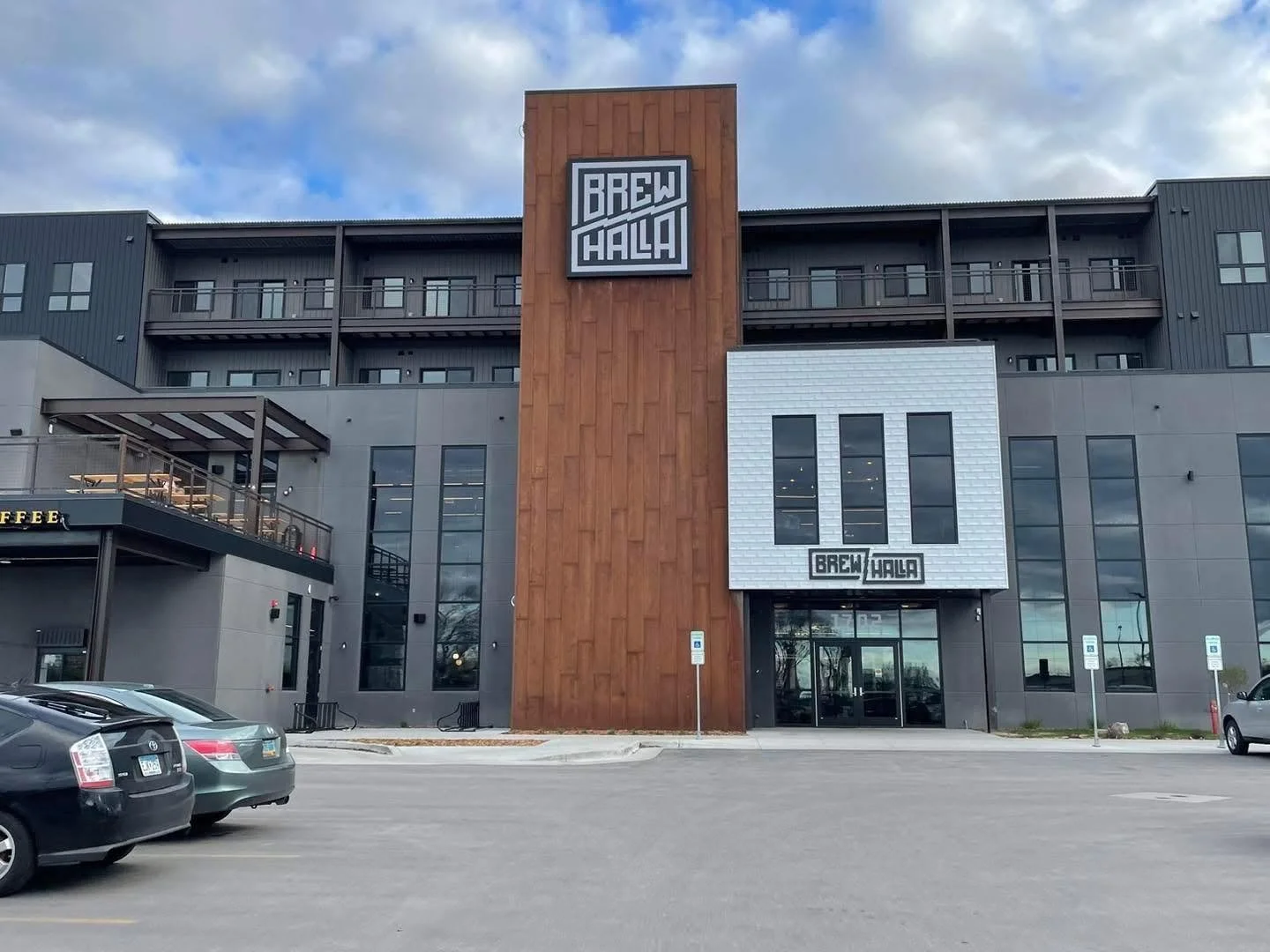
One of Fargo’s newest landmarks, Brewhalla blends community, creativity, and local flavor into a uniquely NoDak experience!

Roger Maris, who famously hit 61 runs in 1961, remains one of Fargo’s most celebrated natives.
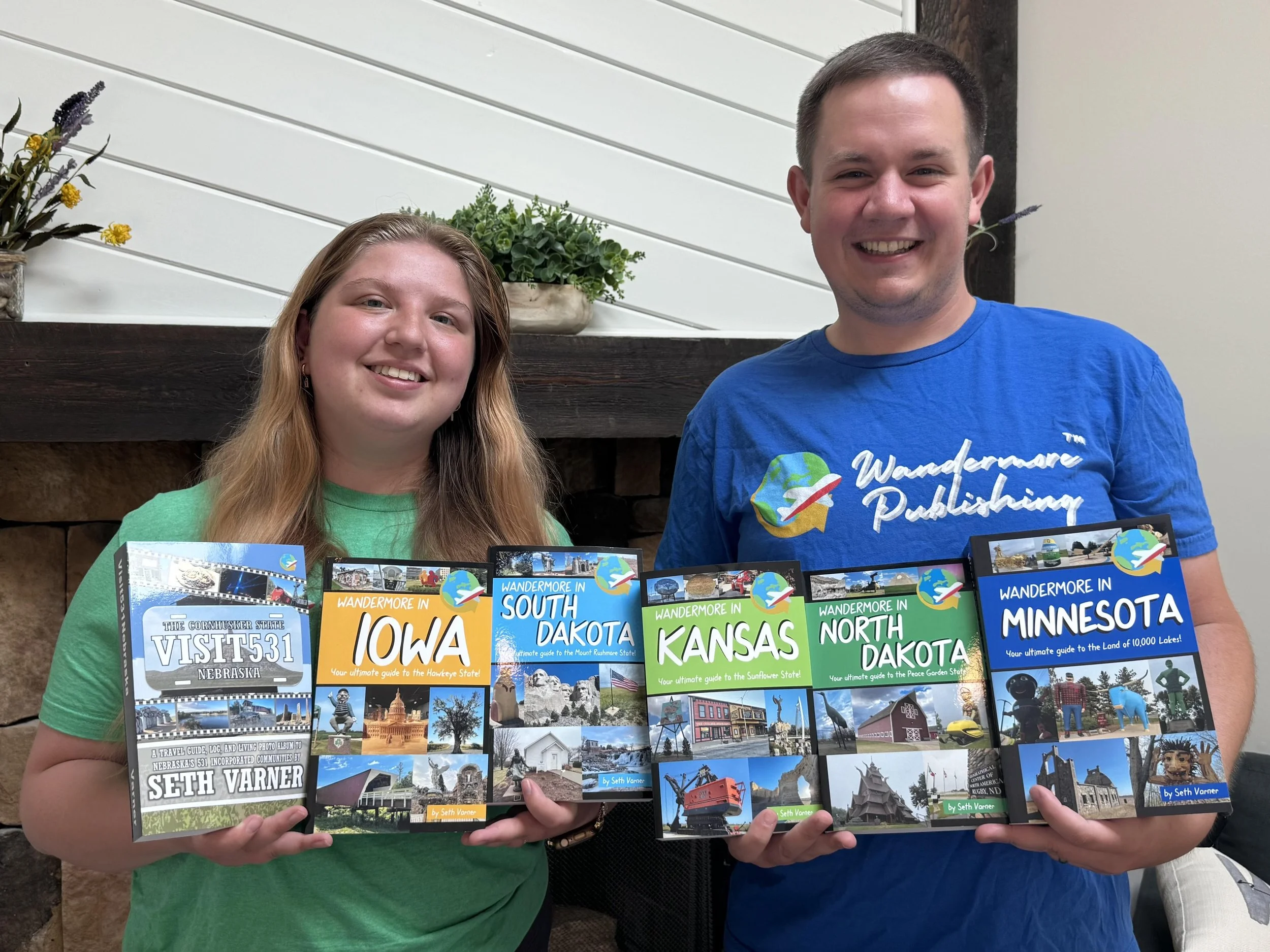
Enjoy learning about North Dakota’s communities? Follow Wandermore in North Dakota on Facebook for more small-town stories, local history, hidden gems, and travel inspiration from across the Peace Garden State. We're on a mission to explore and document all 355 incorporated communities in North Dakota—one town at a time. Join thousands of fellow travelers and history enthusiasts as we wander more through North Dakota together!
If you'd like to dive even deeper into North Dakota’s towns and history, be sure to check out Wandermore in North Dakota, our pictorial and historical travel guide featuring all 355 municipalities in the state. Whether you're planning your next road trip or simply enjoy discovering North Dakota’s hidden stories, it's the perfect companion for your journey.
From Scandinavian pioneers and English colonists to railroad expansion and Viking ship construction, Hawley's story is one of perseverance, reinvention, and an enduring connection to its immigrant roots.